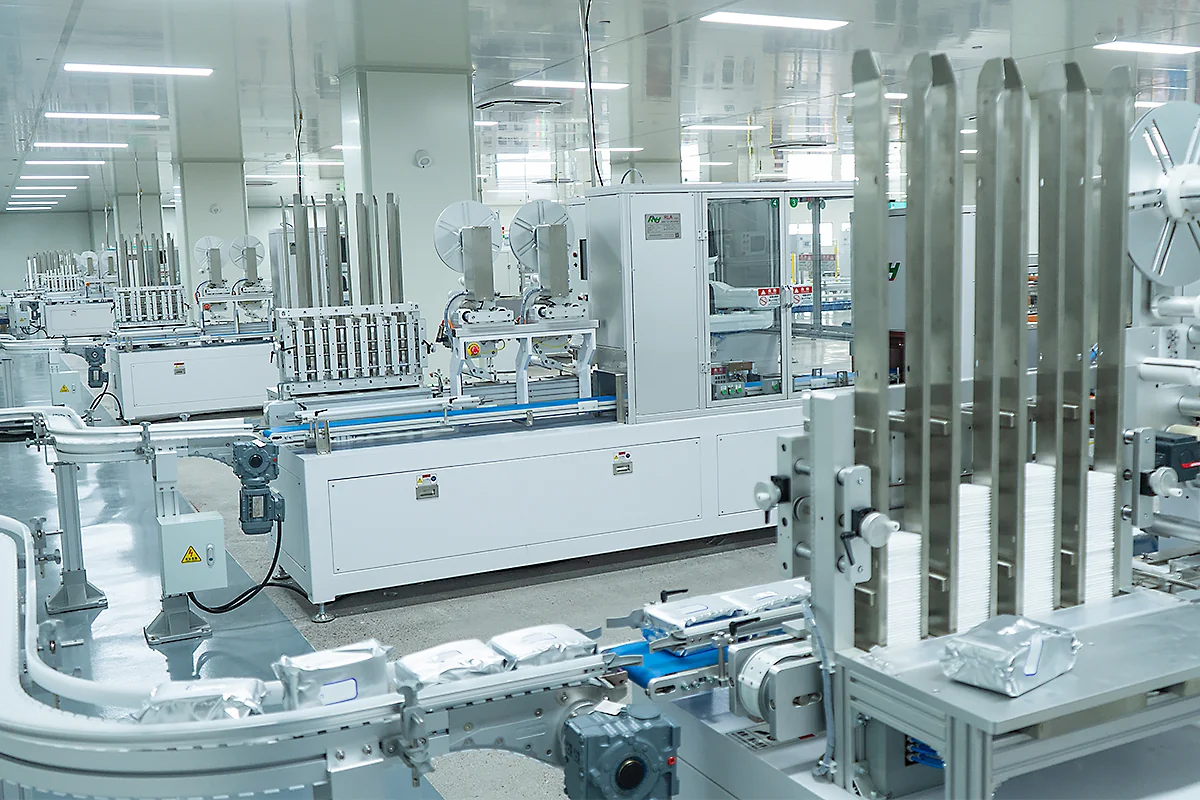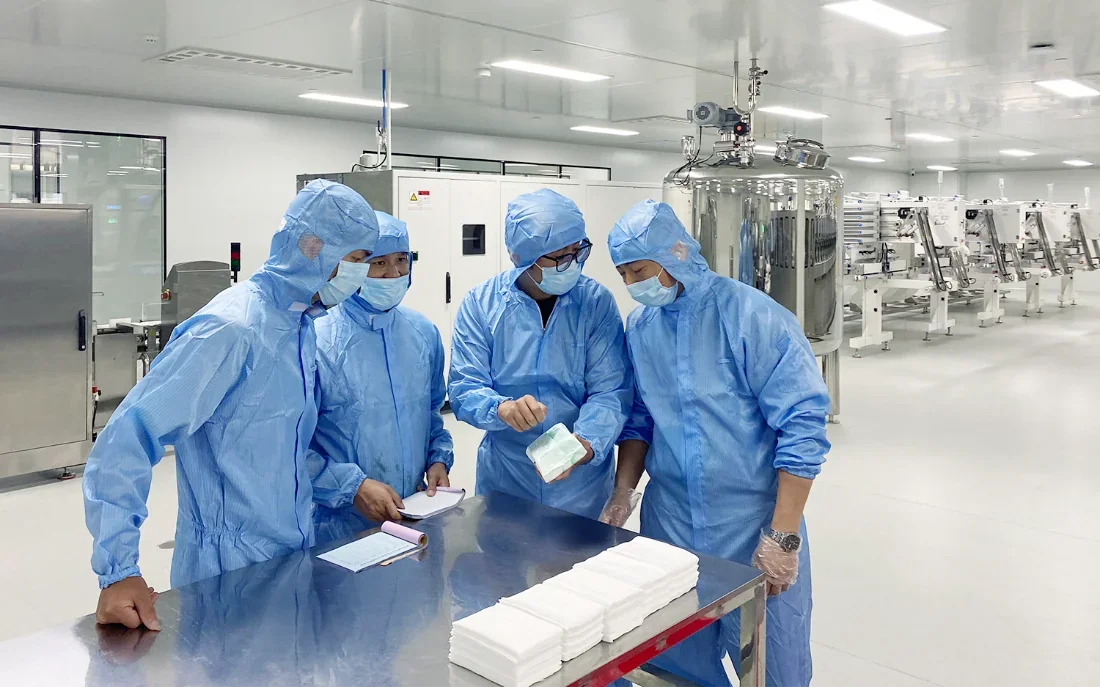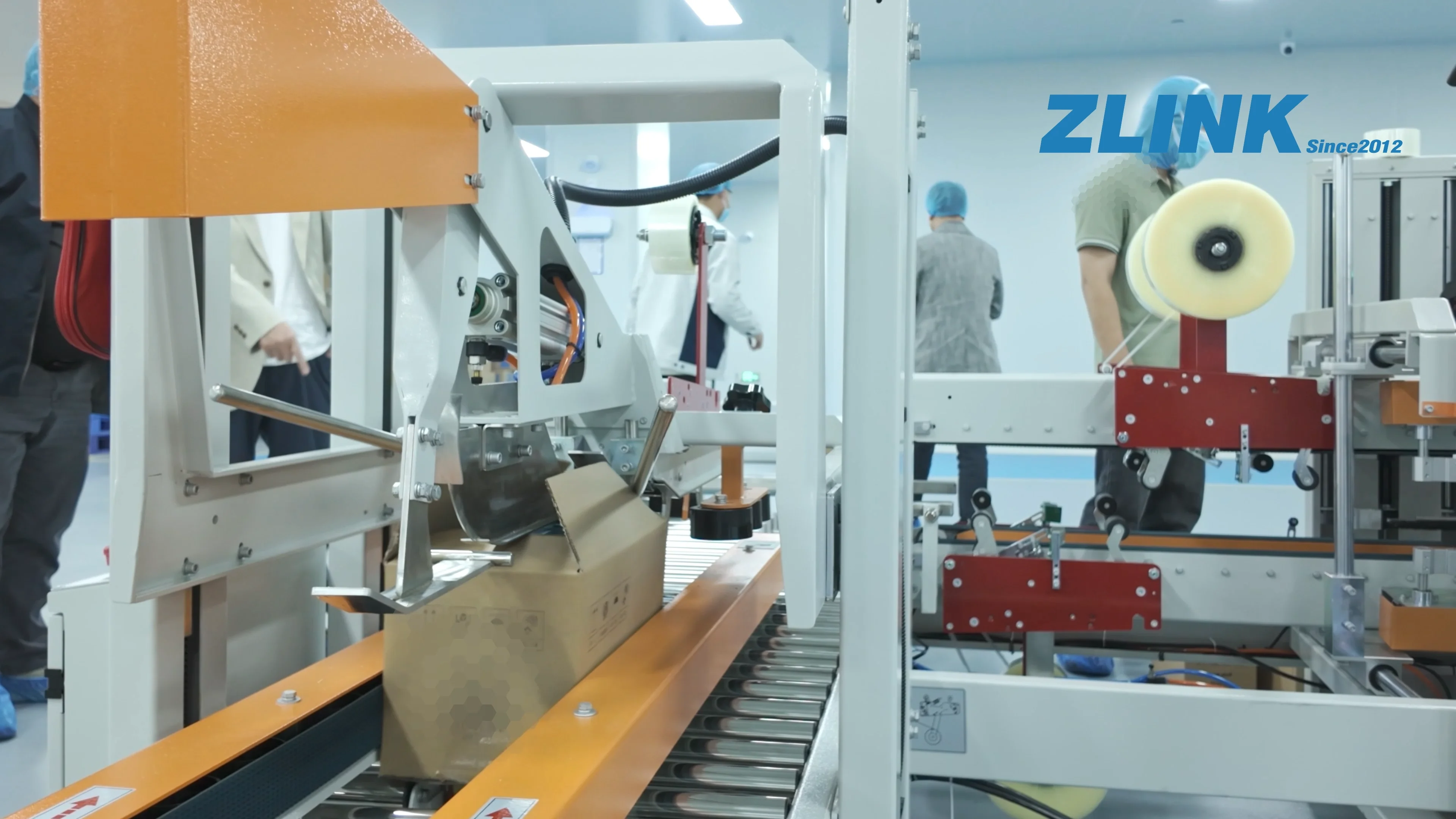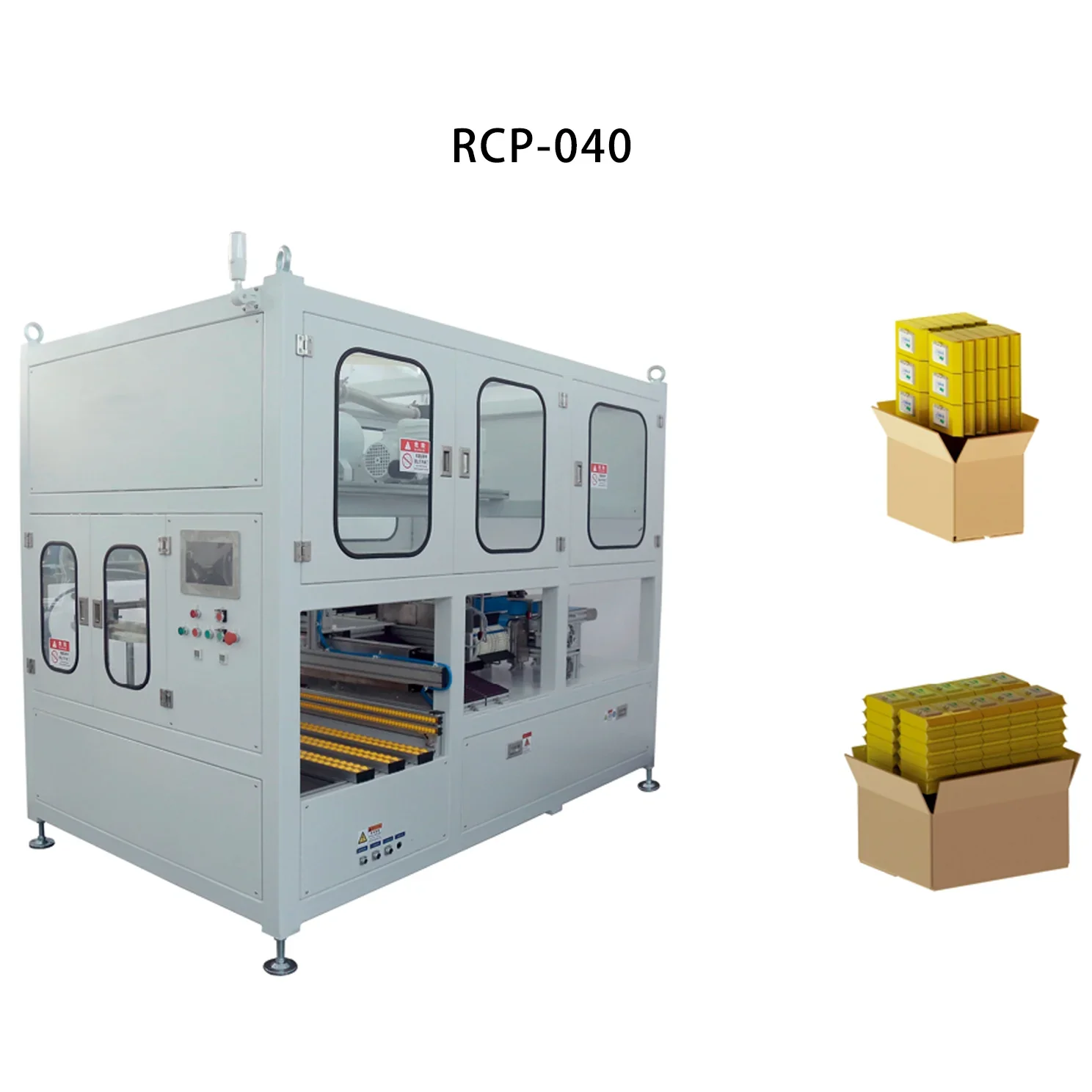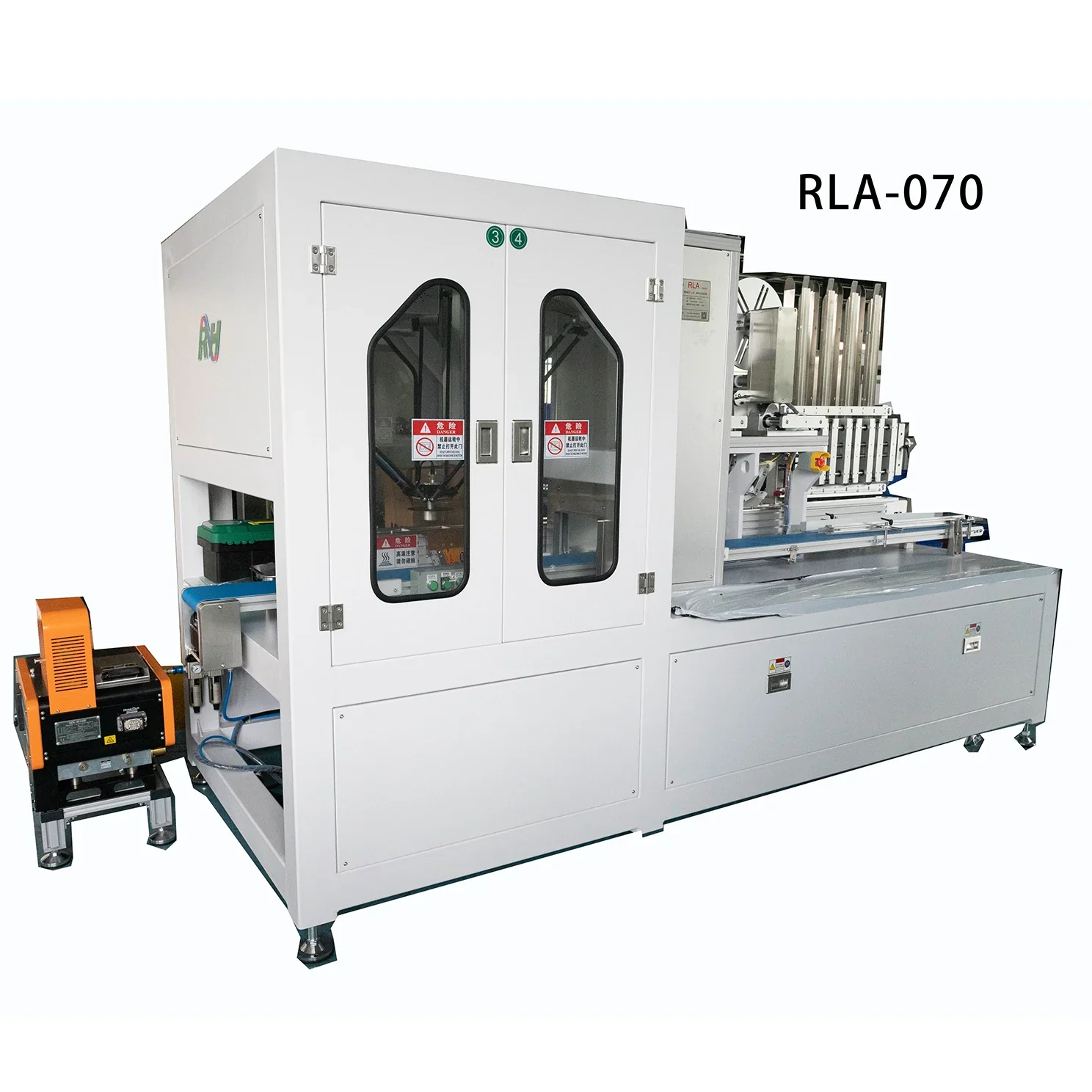








Modern wet wipes manufacturers increasingly consider whether production equipment can connect with internal ERP systems to improve operational visibility and planning accuracy. At ZLINK, we design automation systems with structured communication layers that allow data exchange between machines and enterprise platforms. A baby wipe production line in China can be configured with modular control architecture, which supports the transmission of production signals such as output counts and machine status to ERP systems. This makes it possible for factory managers to coordinate production planning without changing their existing ERP workflows or introducing additional manual reporting steps.
ERP Data Flow in Wet Wipes Manufacturing Environments
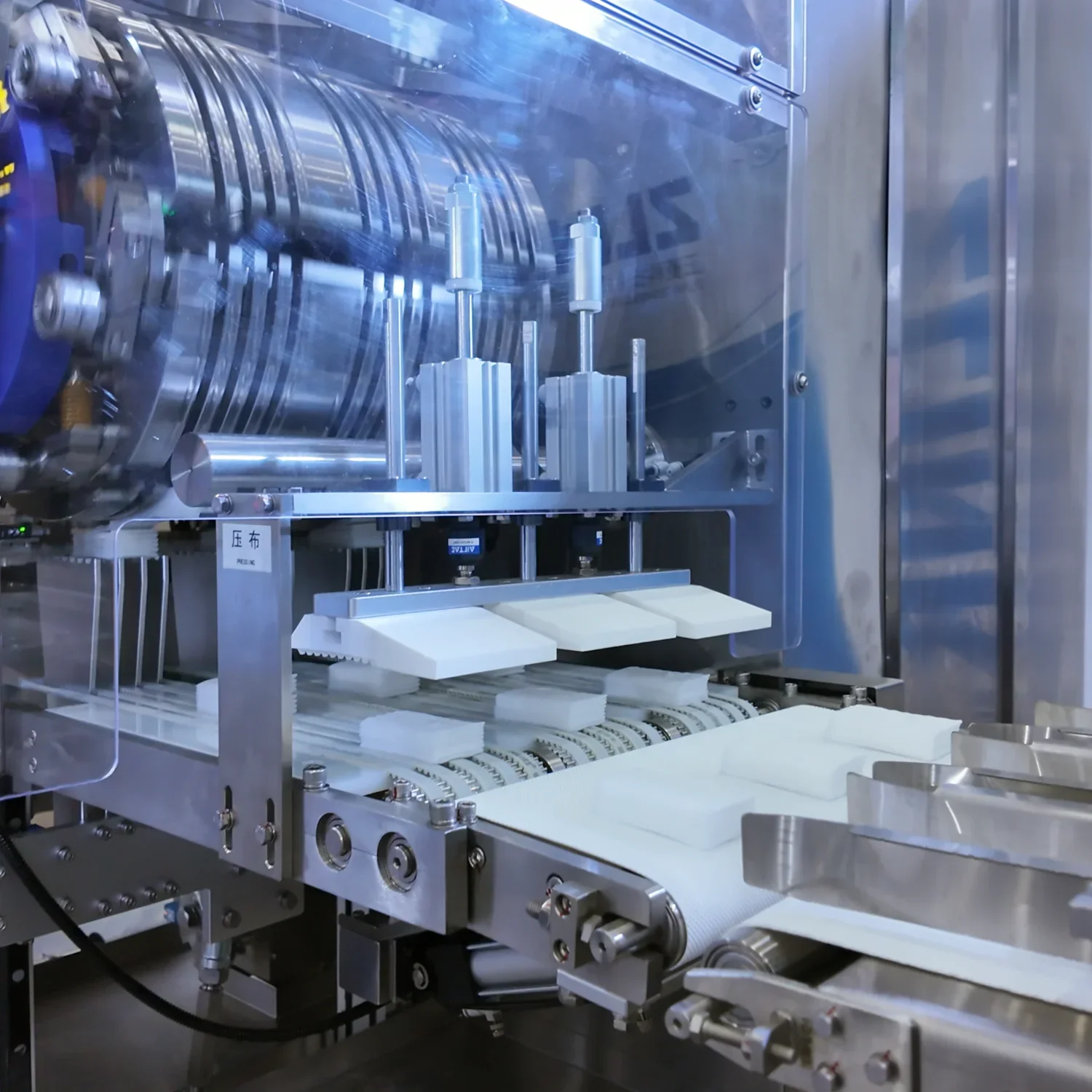
ERP integration in wet wipes production is usually focused on three areas: scheduling, material tracking, and equipment status monitoring. A complete set of wet tissue machines in China typically integrates PLC-based control systems and sensors to collect operational data throughout the production process. In ZLINK systems, this data can be structured into standardized formats so that ERP platforms can receive consistent information without requiring custom manual conversion. This helps reduce delays between actual production activities and system-level reporting used by management teams.
Production Line Architecture and System Coordination
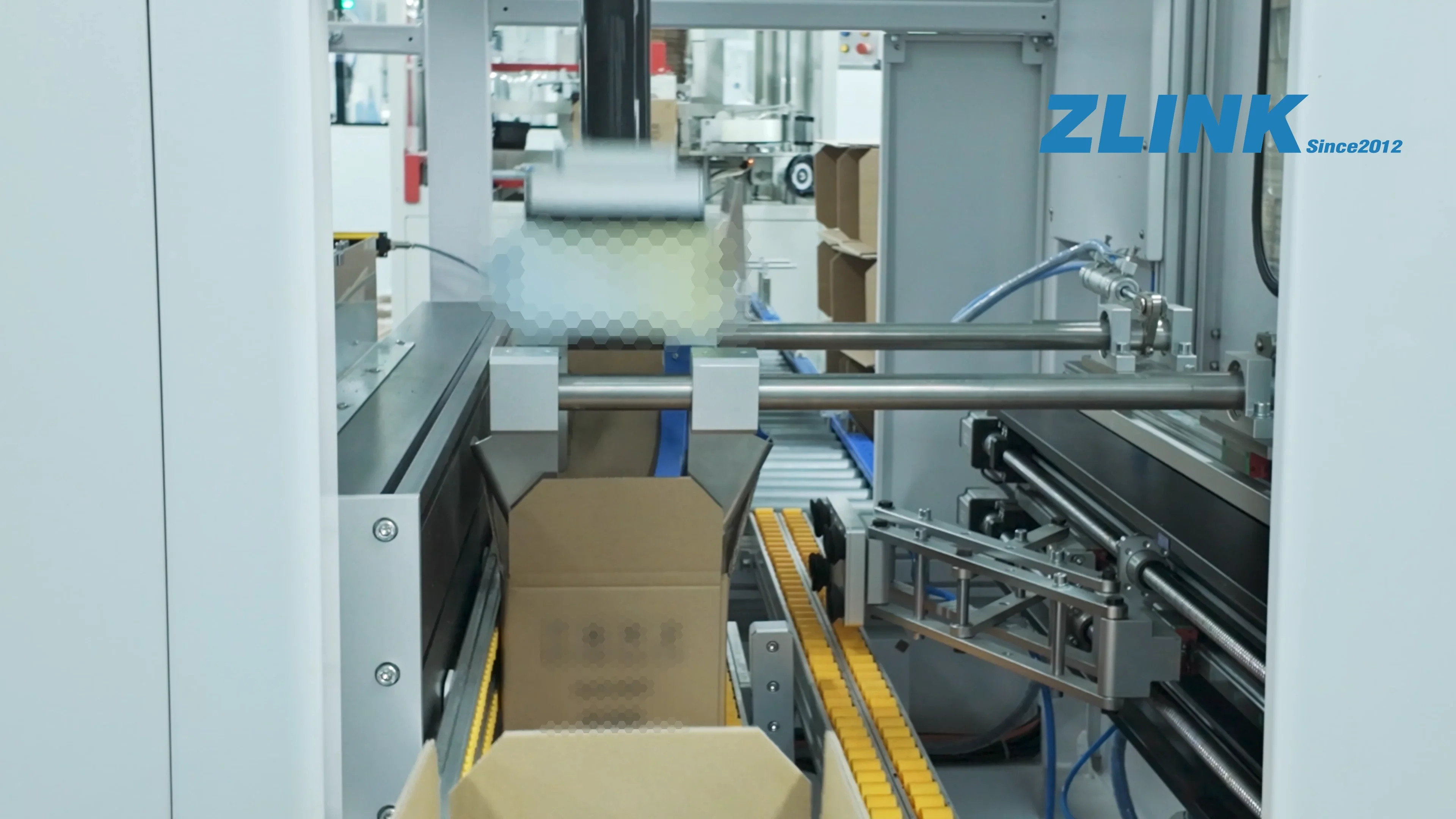
A China baby wipe production line is generally designed with layered automation that coordinates machine-level control with factory-level management. In real factory applications, ERP systems are used to align material planning with real-time production output from equipment. The design approach of ZLINK allows integration points where production signals can be mapped into ERP modules through commonly used industrial communication protocols. This is particularly useful for factories handling multiple product formats, packaging variations, and frequent order adjustments.
Conclusion
ERP integration with wet wipes manufacturing equipment is achievable when both production systems and software architecture are planned with compatibility in mind, especially in structured industrial environments where data consistency is important. A complete set wet tissue machine china already supports standardized data output through its automation control system, which makes ERP connectivity more practical in daily factory operations. At ZLINK, we design equipment that allows ERP systems to receive production data in a stable and structured way without interfering with machine performance or operator workflows. This is especially relevant for factories operating a China baby wipe production line, where multiple shifts, varying order sizes, and different packaging requirements must be coordinated efficiently. The complete set wet tissue machine also improves traceability by linking production output with inventory and planning systems, reducing manual coordination between departments. From an engineering perspective, this type of integration supports more consistent production management and helps factories maintain alignment between operational execution and business planning. Over time, this structured connectivity can contribute to smoother factory coordination and more reliable production tracking across different manufacturing scenarios.