


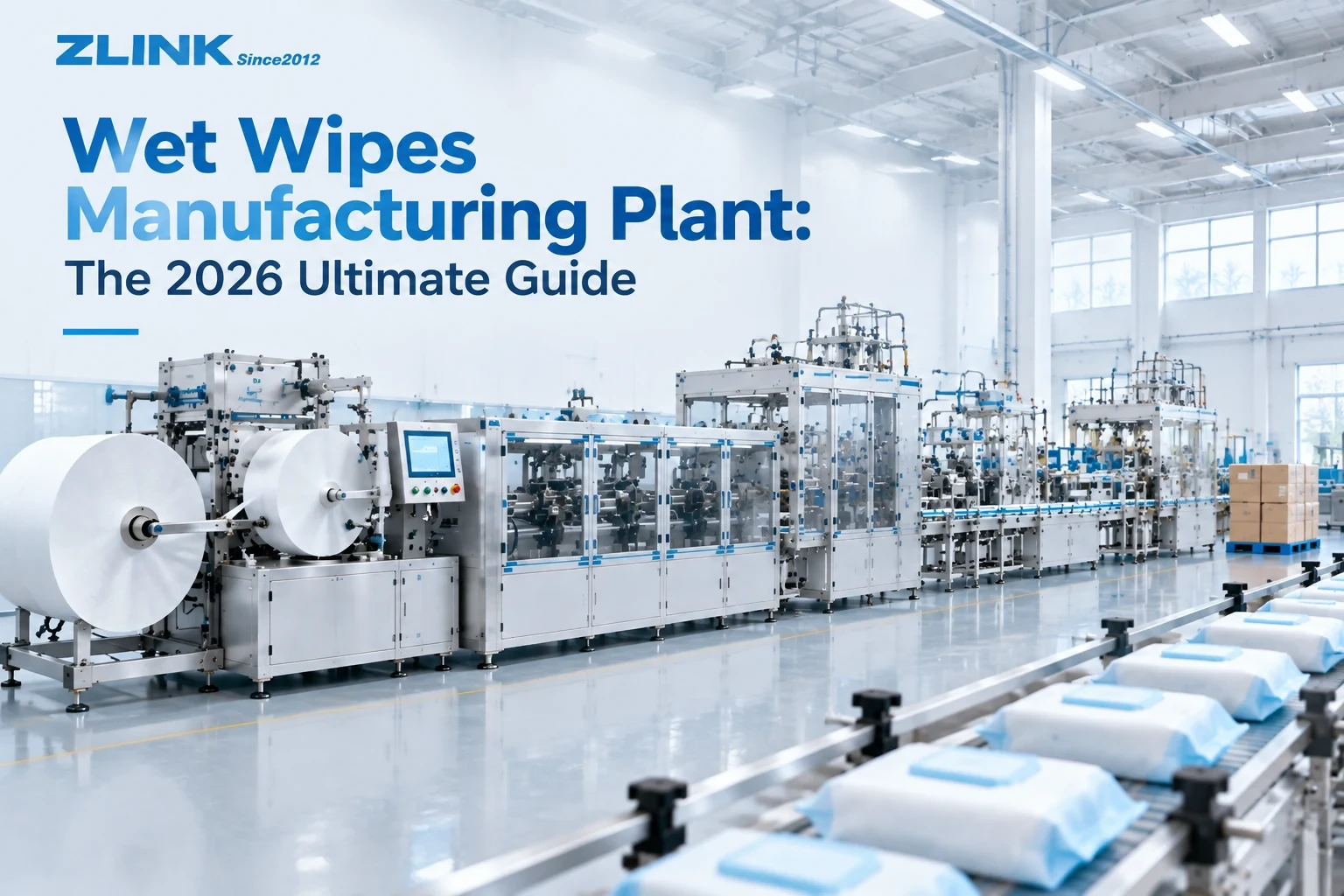
Starting a wet wipes manufacturing plant begins with defining the product, target output, packaging format, and regulatory market—not with choosing a machine. Those decisions shape the material, hygiene controls, line configuration, factory space, and compliance work. A successful wet wipes manufacturing project therefore works backward from the finished pack and forecast demand. This guide shows how to turn that commercial brief into a balanced factory plan, equipment configuration, quality system, and launch path.
What Should You Define Before Starting a Wet Wipes Factory?
Before contacting equipment suppliers, turn the business idea into a product brief. Wipes with different uses may require different wet wipes raw materials, folds, packaging, and tests.
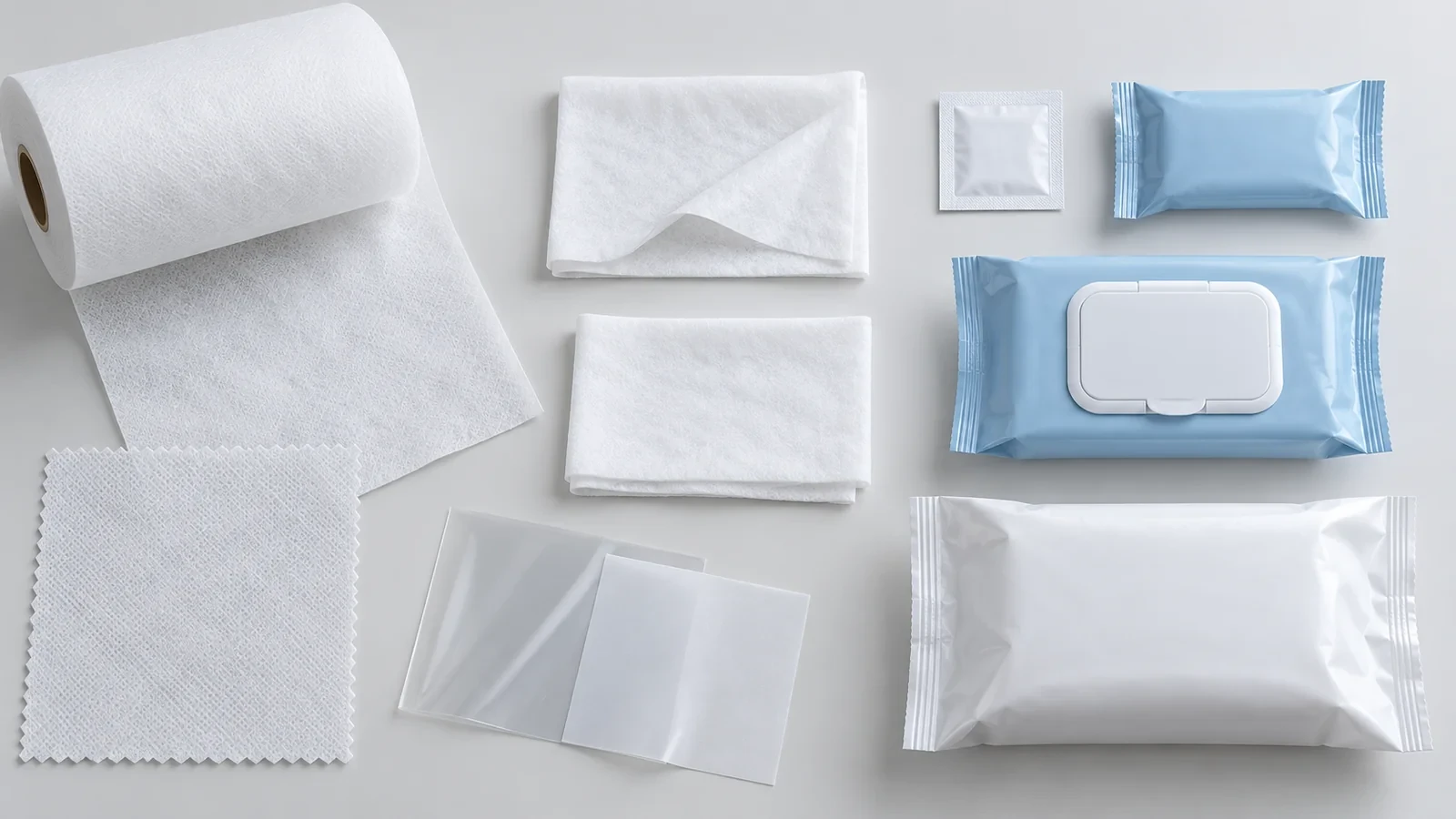
Determine the product use and target market. Choose whether the plant will make baby, personal-care, household, disinfectant, flushable, or portable wipes. Intended use changes the technical brief and regulatory category. In the United States, wipes intended to cleanse or moisturize the skin are regulated as cosmetics, while wipes intended for therapeutic purposes are regulated as drugs.[1]
Define the finished-product specification. Record the nonwoven type and basis weight, open and folded dimensions, sheets per pack, dispensing pattern, liquid load, pack type, label or lid, and secondary packaging. These details determine the required feeding, folding, dosing, sealing, and handling systems.
Confirm the destination market and product claims. Formulation, testing, labeling, and documentation depend on where and how you will sell the product. In the United States, surface-disinfecting wipes require EPA registration and approved label language for the claimed microorganisms.[2]
Build a supplier-ready product brief. Combine the specifications with the destination market, demand forecast, pack volume, and planned SKUs. A wet wipes manufacturing partner can then configure equipment around the product instead of a preselected machine.
Once you define the finished pack and forecast demand, you can calculate production capacity and factory conditions on the same basis.
How Should You Plan Capacity, Budget, and Factory Layout?
The product brief converts an idea into measurable production requirements. Consider capacity, capital spending, and space together because line size affects utilities, labor, buffers, and downstream packaging.
Estimate the Required Production Capacity
Start with the expected number of packs per day or month. A practical planning formula is: required packs per minute = forecast pack volume for the period ÷ scheduled production minutes for the same period ÷ expected line efficiency. Multiply packs per minute by sheets per pack to estimate the converting load.
Include shifts, operating hours, cleaning and changeover time, and expected growth over two to three years. Keep three output measures separate:
Maximum or design speed under defined test conditions.
Stable operating speed with the selected materials and pack format.
Sellable output after downtime, changeovers, rejects, and quality holds.
Build a Complete Project Budget
A machine-only quotation does not represent the full wet wipes production investment. The budget should cover:
Converting, primary packaging, inspection, and end-of-line equipment.
Factory preparation, water treatment, electricity, compressed air, drainage, and other utilities.
Quality-control tools, initial wet wipes raw materials, and packaging materials.
Freight, installation, training, spare parts, and working capital.
Space and interfaces for future automation or expansion.
Plan the Factory Around Material Flow
Plan the layout around four connected priorities:
Sequence the production zones. Arrange the site from raw-material storage and water or lotion preparation through converting, primary packaging, inspection, case packing, palletizing, and finished-goods storage.
Separate movement paths. Reduce crossings among people, incoming materials, waste, and finished products.
Protect operating space. Reserve maintenance access, line buffers, and quality-hold areas.
Plan for expansion. Leave space and utility interfaces for future capacity or automation upgrades.

A flow-based layout keeps the production target—not only the main machine—at the center of the plan. It also makes the required equipment connections and potential bottlenecks easier to evaluate.
What Equipment Does a Wet Wipes Production Line Need?
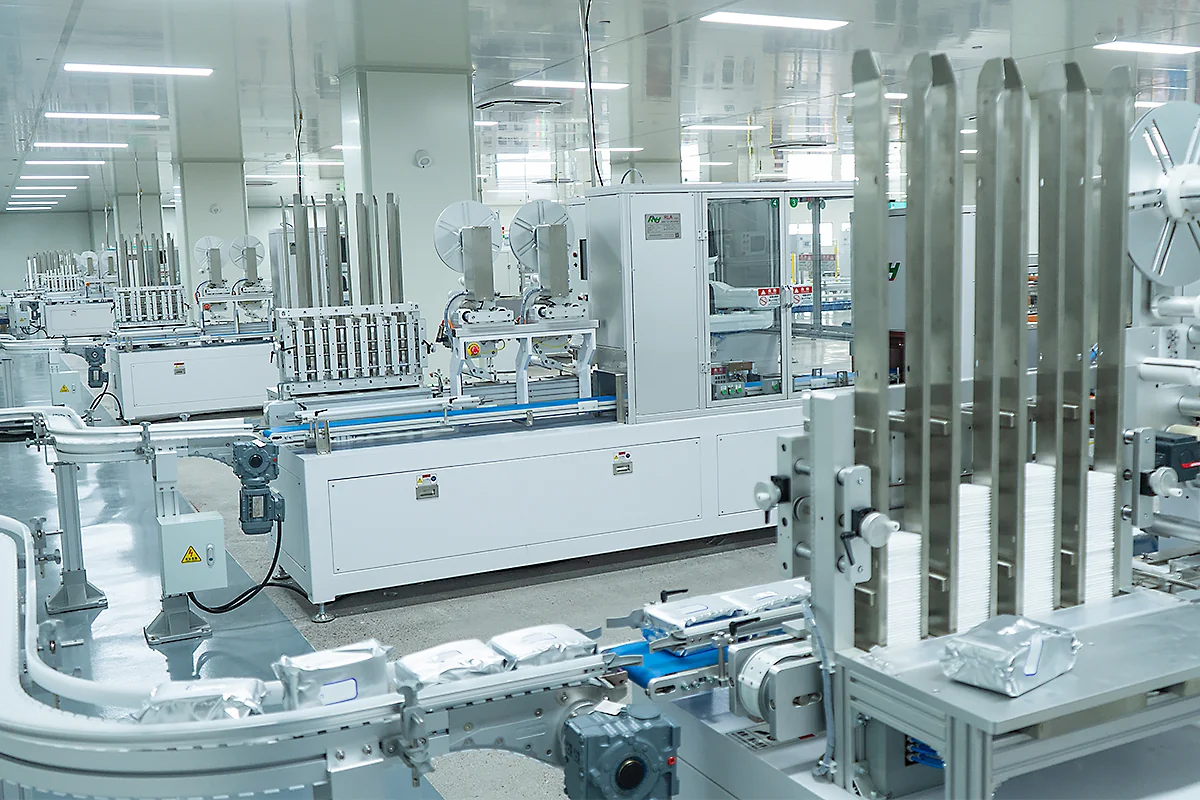
A complete wet wipes production line connects several stages instead of relying on a single folding unit. Substrate and liquid must move through converting, primary packaging, and secondary handling without creating a bottleneck.
| Production stage | Main function | Typical equipment or system |
|---|---|---|
| Liquid preparation | Prepare and store purified water and lotion | Water-treatment, mixing, and storage systems |
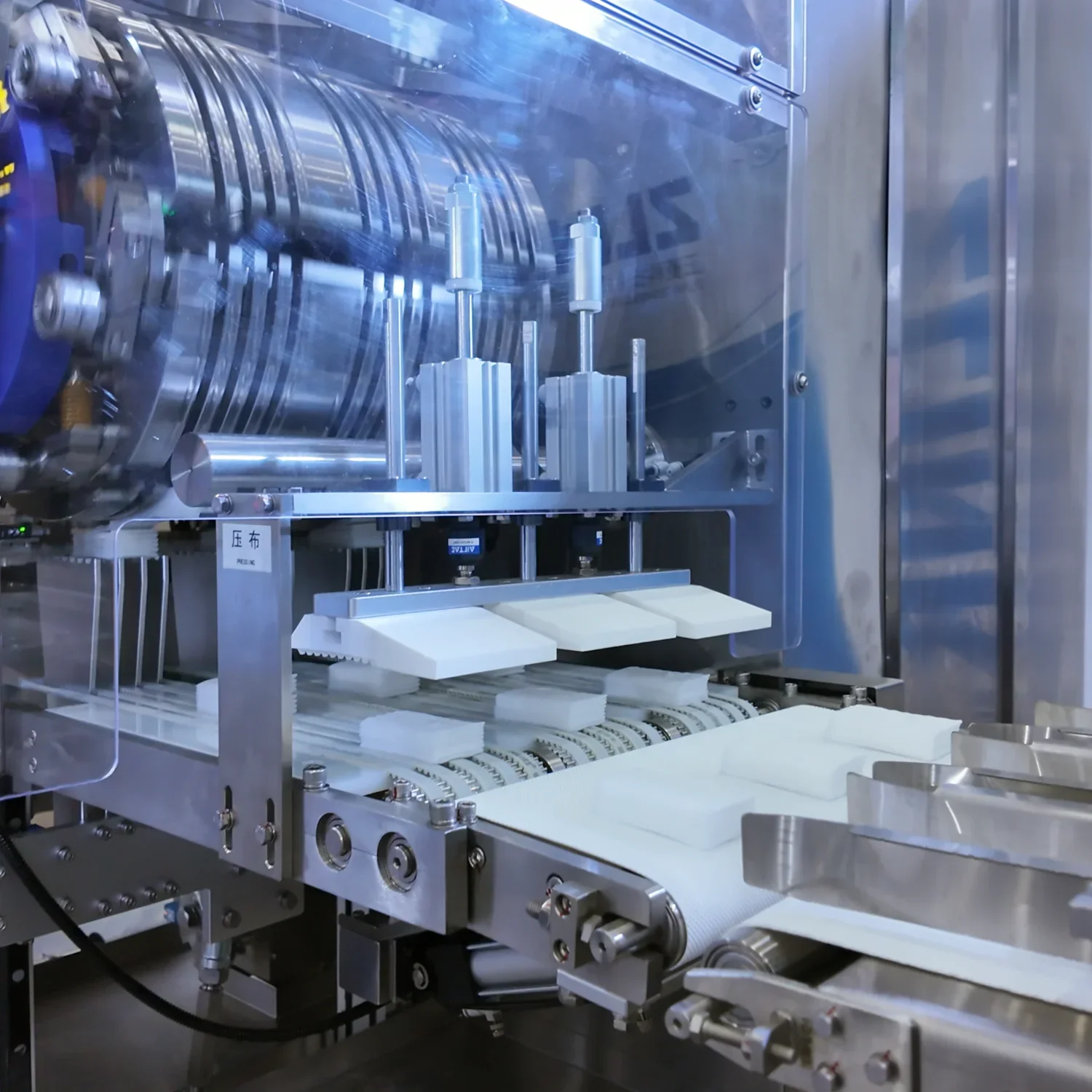
| Converting | Unwind, fold, dose, cut, and stack nonwoven material | Wet wipes making machine |
| Primary packaging | Form and seal packs; add labels or lids | Flow wrapper, labeler, and lid applicator |
| End-of-line packaging | Bundle, case-pack, and palletize products | Multipacker, case packer, and palletizer |
| Factory logistics and data | Move materials and monitor production | AGV, SCADA, and MES systems |
Equipment selection should follow three practical principles.
Match the Machine to the Product Format
Portable 3D packs, single wipes, high-sheet-count soft packs, and large household formats use different folds, stack heights, and seals. Test a wet wipes making machine with the actual substrate, dimensions, sheet count, liquid load, and pack format.
Balance the Complete Line
The slowest stage determines sustained throughput. Sheets, cuts, and packages per minute are not interchangeable. Dosing, packaging, lid application, and case packing must accept stable upstream output. A fast wet wipes manufacturing machine cannot raise sellable output if downstream equipment stops repeatedly.
Choose Automation for the Business Stage
Early-stage projects may favor compact equipment and easier SKU changeovers. Higher-volume factories may justify automatic splicing, online inspection, end-of-line automation, and data integration. Each automation feature should address a defined labor, quality, or coordination need.
Representative ZLINK configurations illustrate how these choices change with the project:
| Production need | Representative configuration | Image | Role in the line |
|---|---|---|---|
| Portable or small 3D packs | WE-MF2 | 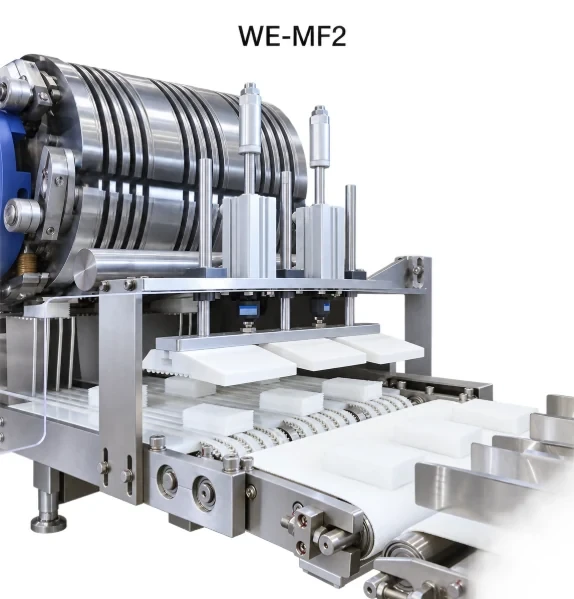 | Integrates converting, wetting, stacking, and pouch insertion |
| Flexible cross-fold production | WT-CF2/2 | 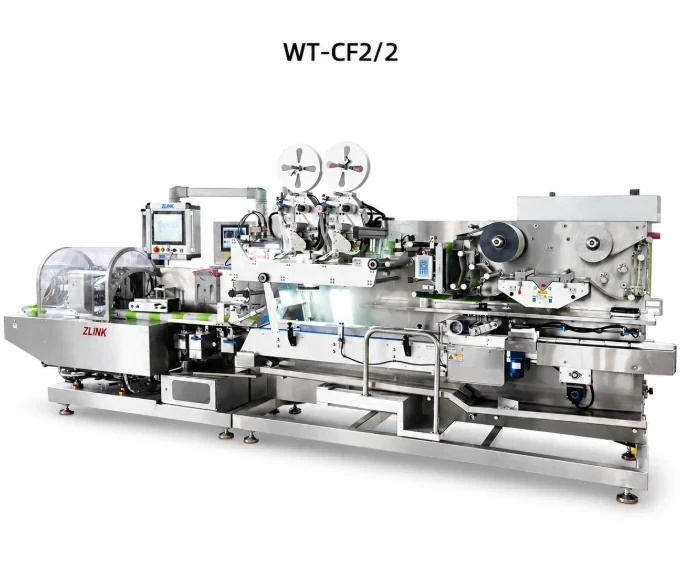 | Uses two cross-fold modules that can operate separately or together |
| Multi-lane baby wipes | WT-IF12/20HS | 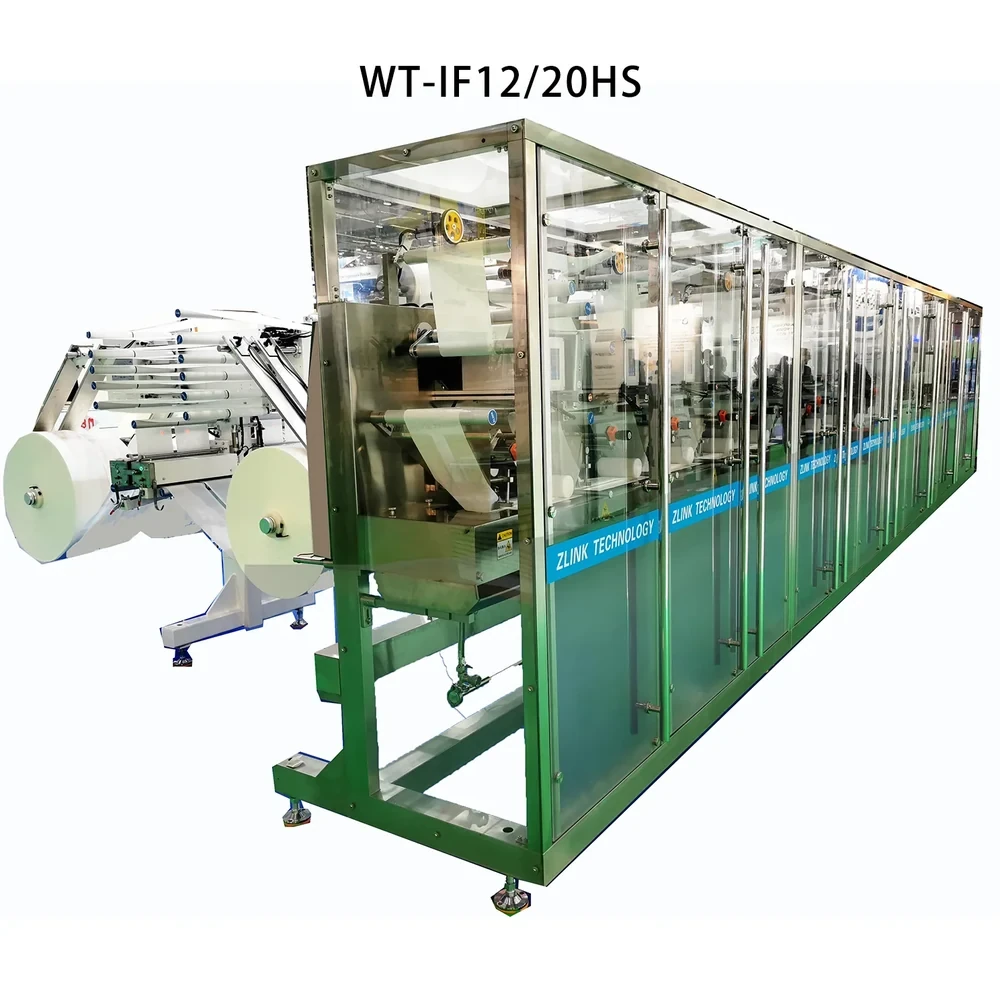 | Supports multi-lane converting, auto-splicing, and optional quality or SCADA functions |
| Automated lid application | RLA-090/110 | 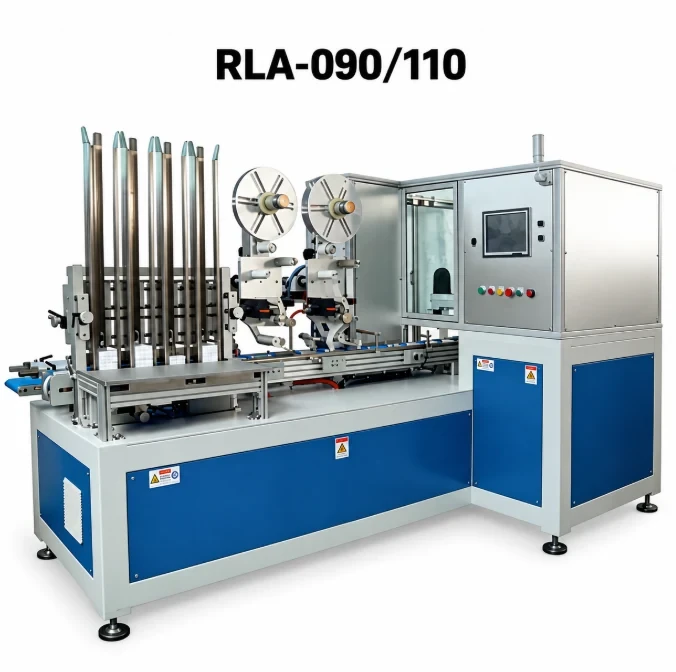 | Places lids on finished wet wipes packs |
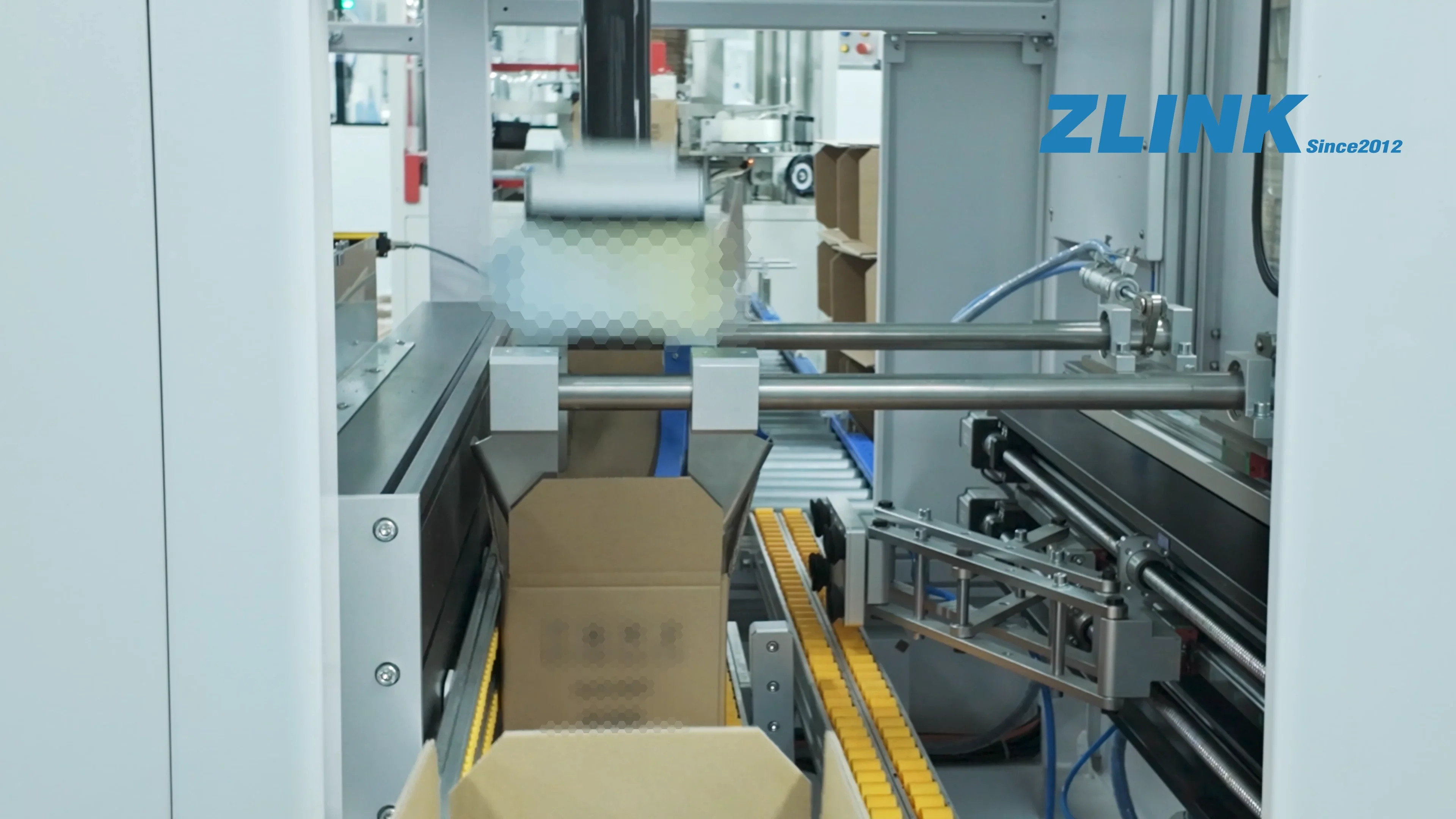
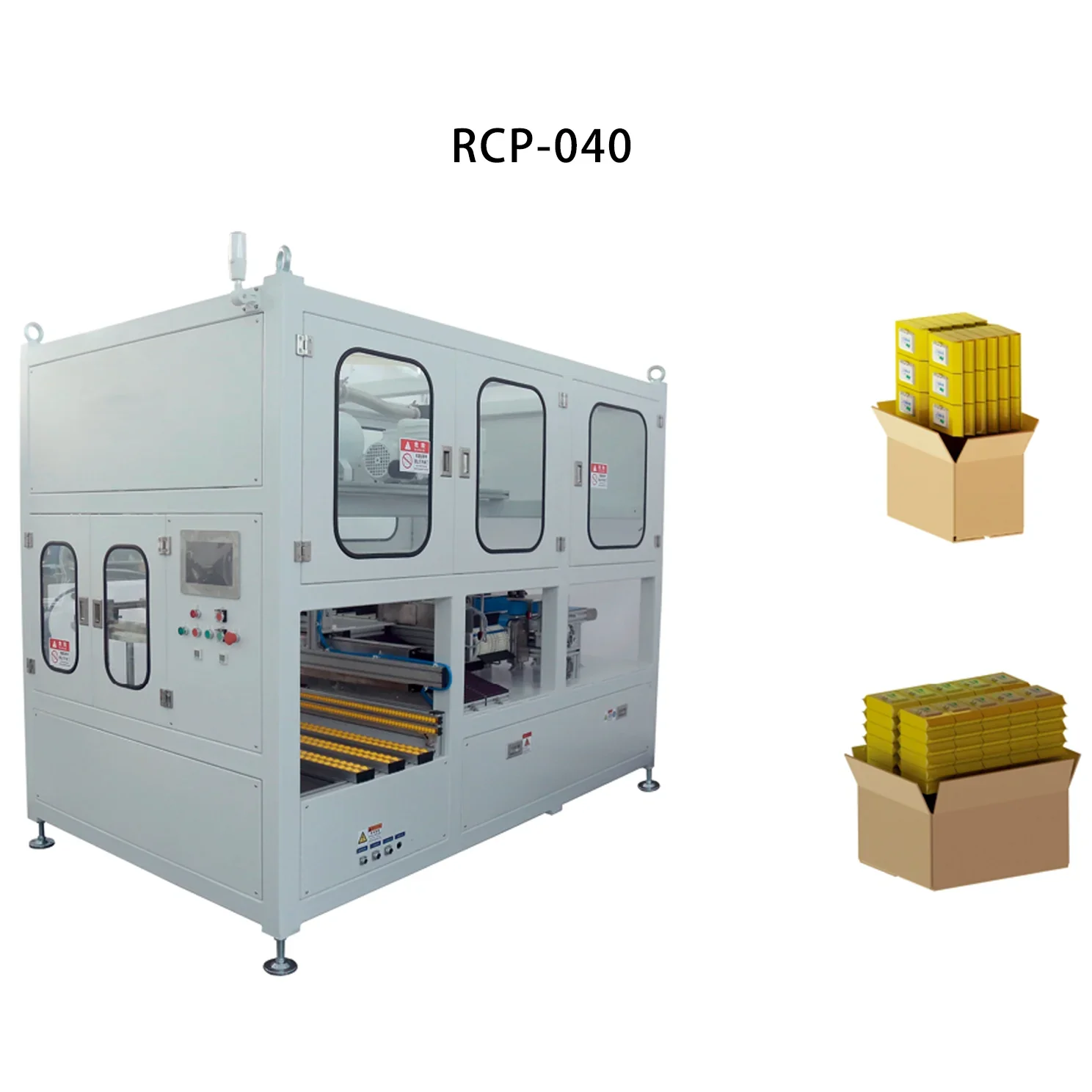
| Automated case packing | RCP-040 | 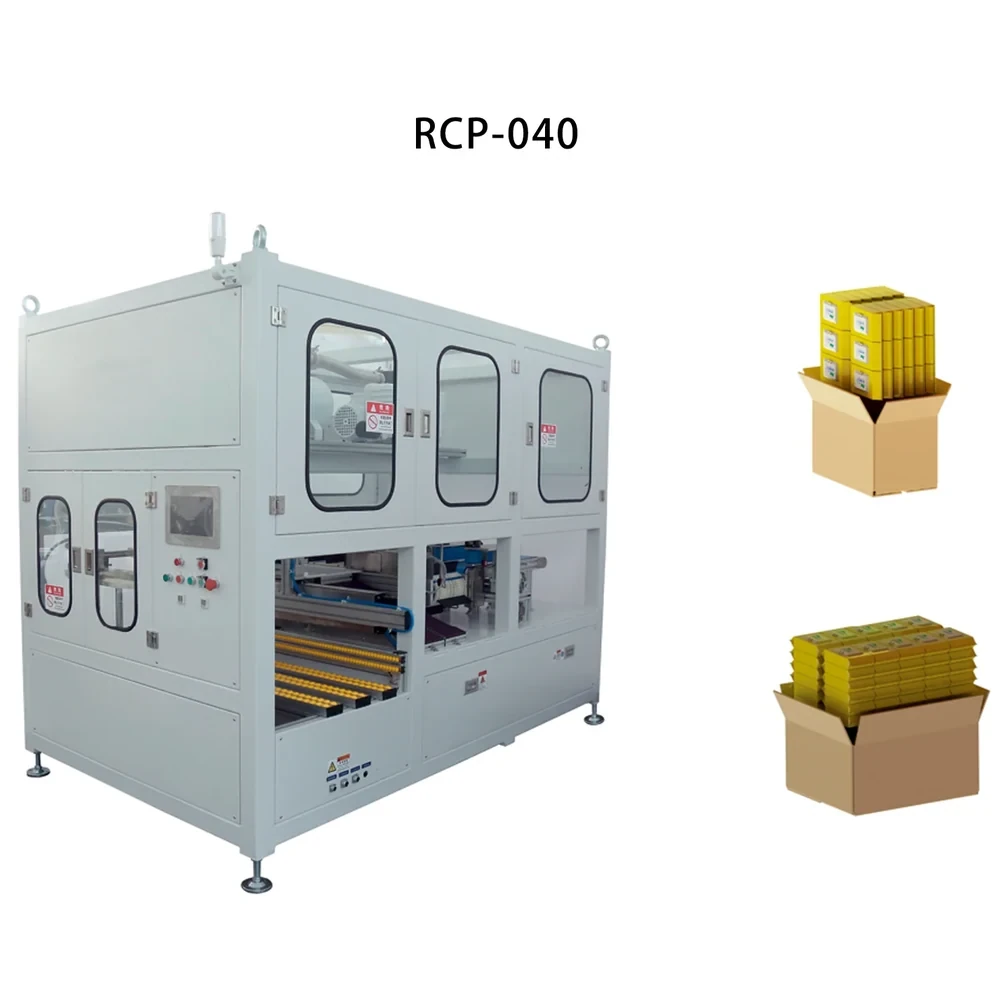 | Opens, loads, and seals shipping cases |
| Automated palletizing | RPM-460/660 | 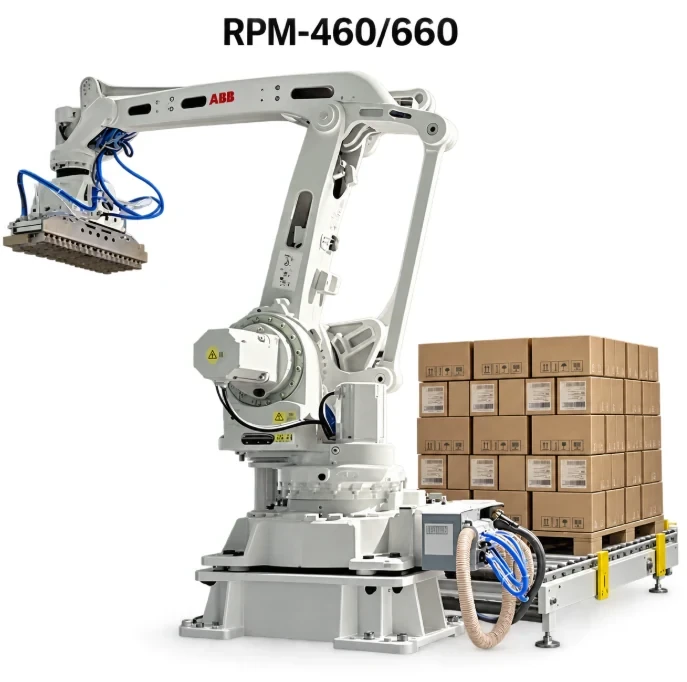 | Palletizes finished cartons for handling or storage |
Together, these configurations show how converting, primary packaging, and downstream handling form one coordinated wet wipes production process. AGVs can support internal logistics, while SCADA/MES integration can support production monitoring and traceability. Once balanced, the line must still be validated against product quality and market requirements.
How Do You Prepare for Quality Control, Compliance, and Commissioning?
Equipment acceptance should prove that the line can repeatedly make the intended product under factory conditions. Set quality and compliance requirements before wet wipes production begins.
Confirm Market-Specific Requirements
Requirements vary with intended use, claims, ingredients, and destination market:
Map the product category. Personal-care, therapeutic skin, and surface-disinfecting wipes follow different regulatory paths.
Check European Union cosmetic requirements. Cosmetic products must meet safety requirements and be notified through the Cosmetic Products Notification Portal before placing them on the market.[3]
Review applicable package marking rules. For wet wipes containing plastic that fall within the EU single-use plastics rules, the packaging must carry the prescribed marking.[4]
Confirm the route for every SKU. A qualified regulatory specialist should review the final classification, tests, claims, labels, and documentation.
Establish Practical Quality Checks
Build checks around incoming materials, in-process stability, and the finished pack:
Verify nonwoven, film, labels, lids, water, and lotion specifications.
Check dimensions, sheet count, folding, liquid dosage, and distribution.
Inspect seals, leakage, coding, label and lid position, weight, and appearance.
Complete required microbiological or performance testing.
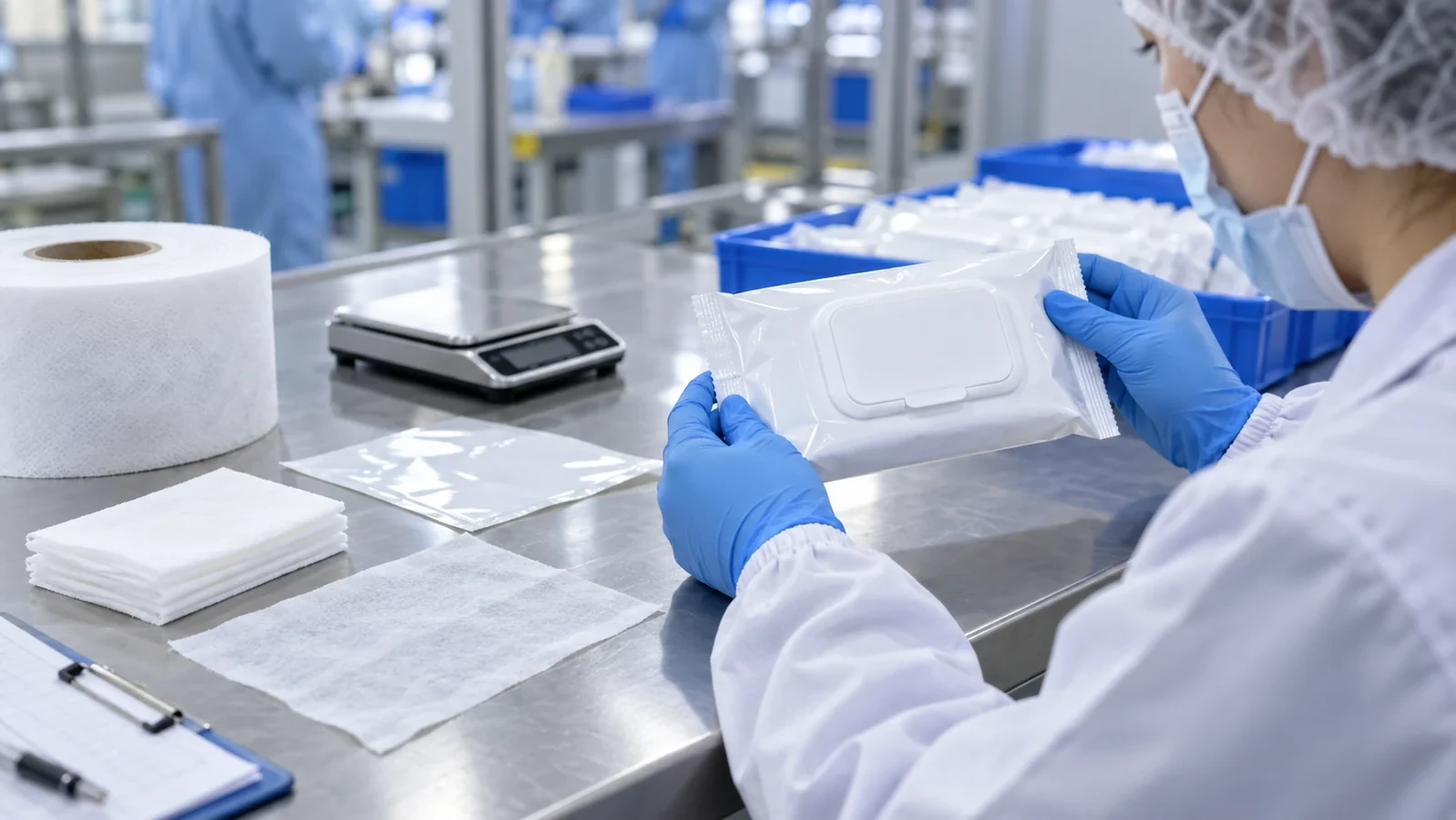
The FDA identifies raw materials, water, production conditions, preservation, packaging, shipping, and storage as possible sources of microbial contamination in cosmetics.[5] Hygiene control therefore extends beyond final-product testing.
Test and Commission the Complete Line
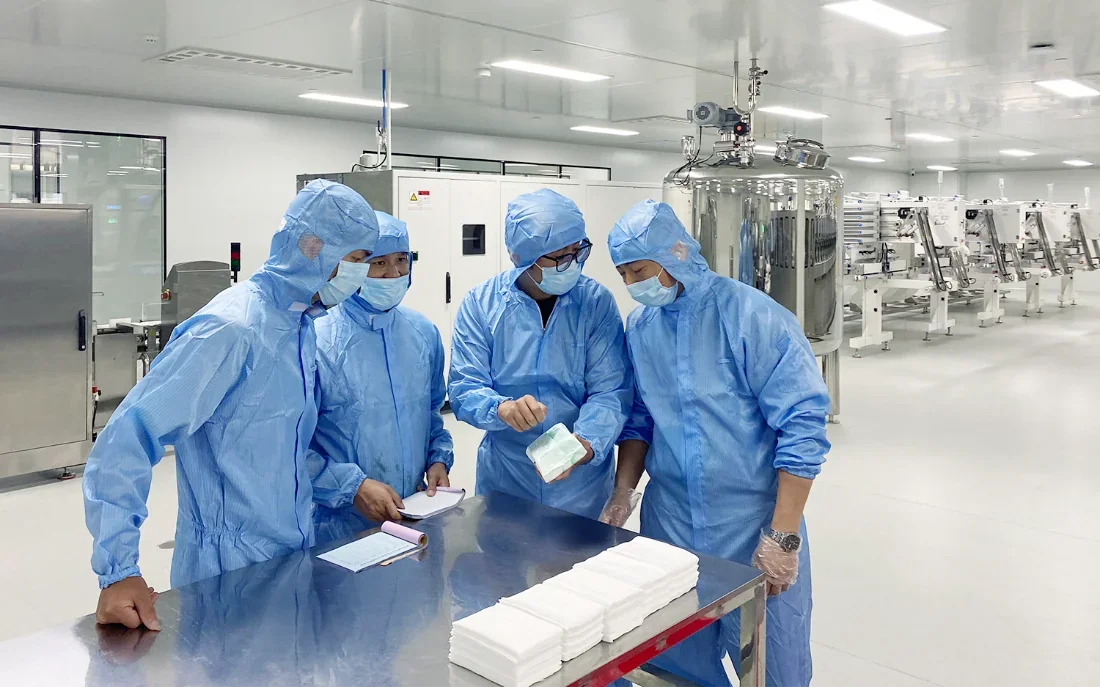
Complete factory acceptance testing. Use the customer’s actual nonwoven, lotion, film, labels, and lids where available. Verify changeovers, alarms, reject handling, and sustained operation instead of relying on a short peak-speed run.
Prepare the site for operation. After delivery, complete utility and downstream integration, training, spare-parts planning, preventive maintenance, and pilot production.
Confirm performance at the factory. Site acceptance testing (SAT) should demonstrate stable quality, repeatable operation, and controlled waste under site conditions—not maximum speed on day one.
Commissioning turns equipment capability into dependable plant performance. Reaching that point requires more than individual machines; it also depends on coordinated factory interfaces, training, and long-term technical support.
ZLINK Provides End-to-End Wet Wipes Manufacturing Solutions
At ZLINK, we develop customized wet wipes manufacturing solutions that connect converting and primary packaging with lid application, case packing, palletizing, AGV logistics, and SCADA/MES integration. Projects can range from stand-alone machines to integrated lines. We can also recommend suitable raw-material suppliers and provide installation, training, maintenance, and upgrade support.
Our end-to-end capability supports three common project paths:
Starter projects can prioritize flexible formats, a manageable footprint, and a lower entry threshold.
Growing manufacturers can coordinate a higher-speed main line with inspection and downstream automation.
Existing factories can add packaging, palletizing, logistics, or data systems without replacing the full line when interfaces and site conditions allow.
For a customized wet wipes manufacturing proposal, contact ZLINK with the wipe type, material, dimensions, sheets per pack, packaging format, target output, and available space. We can then align the factory layout, wet wipes production line, automation level, installation plan, and production support with the project.
References
[1] U.S. Food and Drug Administration, “Disposable Wipes.”
[2] U.S. Environmental Protection Agency, “Selected EPA-Registered Disinfectants.”
[3] European Commission, “Cosmetics: Product Safety and Legislation.”
[4] EUR-Lex, “Commission Implementing Regulation (EU) 2020/2151.”
[5] U.S. Food and Drug Administration, “Microbiological Safety and Cosmetics.”