






When evaluating modern wet wipes manufacturing systems, many production managers are increasingly focused on how operational data can be monitored and managed in real time. This is especially relevant in facilities serving baby care and hygiene product brands, where production stability and traceability are important. In our experience at ZLINK, digital monitoring has gradually become part of equipment planning discussions in recent years.
Remote Data Access in Daily Production
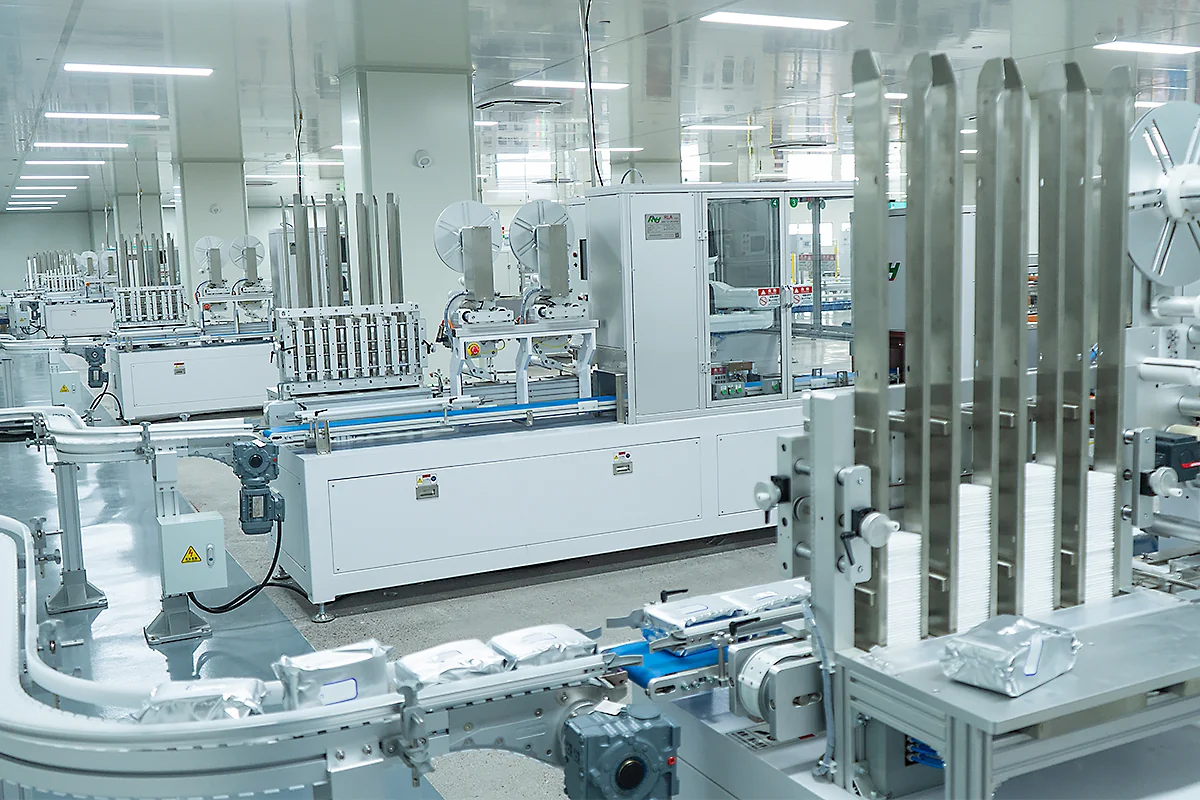
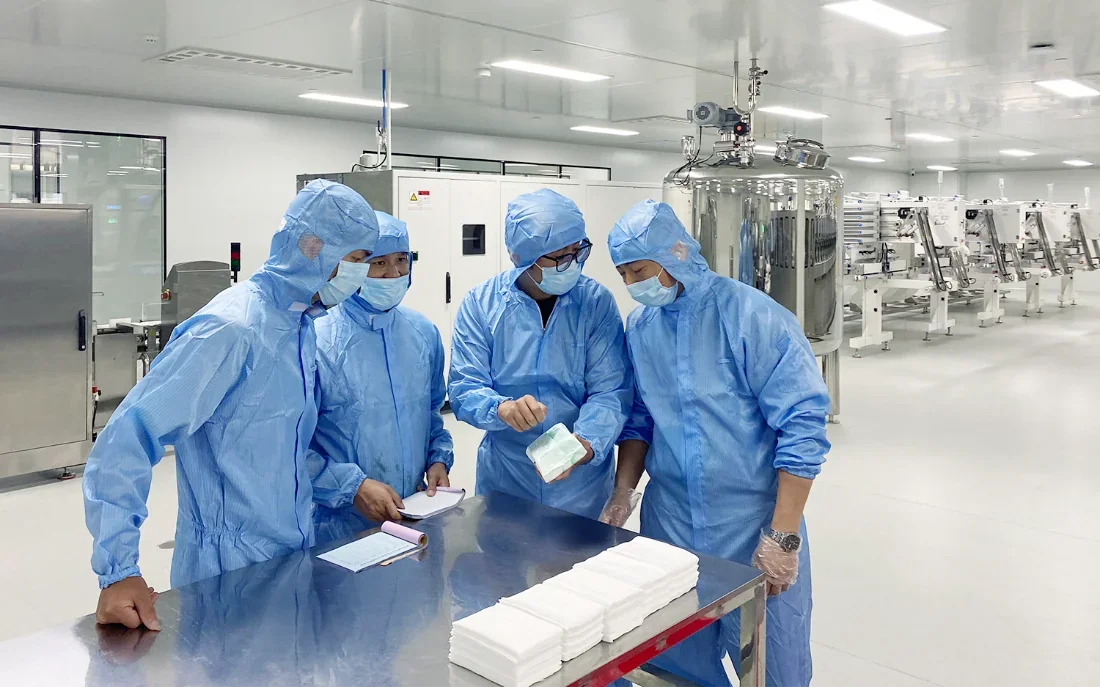
In actual factory environments, remote access is not treated as a separate product feature but as part of the broader control system architecture. In a China baby wipe production line, production data is typically collected through PLC-based control systems and industrial communication modules. These systems allow operators to review key parameters such as output status, alarm records, and machine running conditions from centralized interfaces.
Many wet wipes manufacturers want to know how a baby mini wet wipes machine China solution can support remote monitoring when operators are away from the production line. The answer is usually linked to system integration rather than a single function. When MES or SCADA-level systems are configured, data can be transmitted to internal networks, allowing authorized users to view production performance remotely within the factory’s IT environment.
System Integration and Practical Application
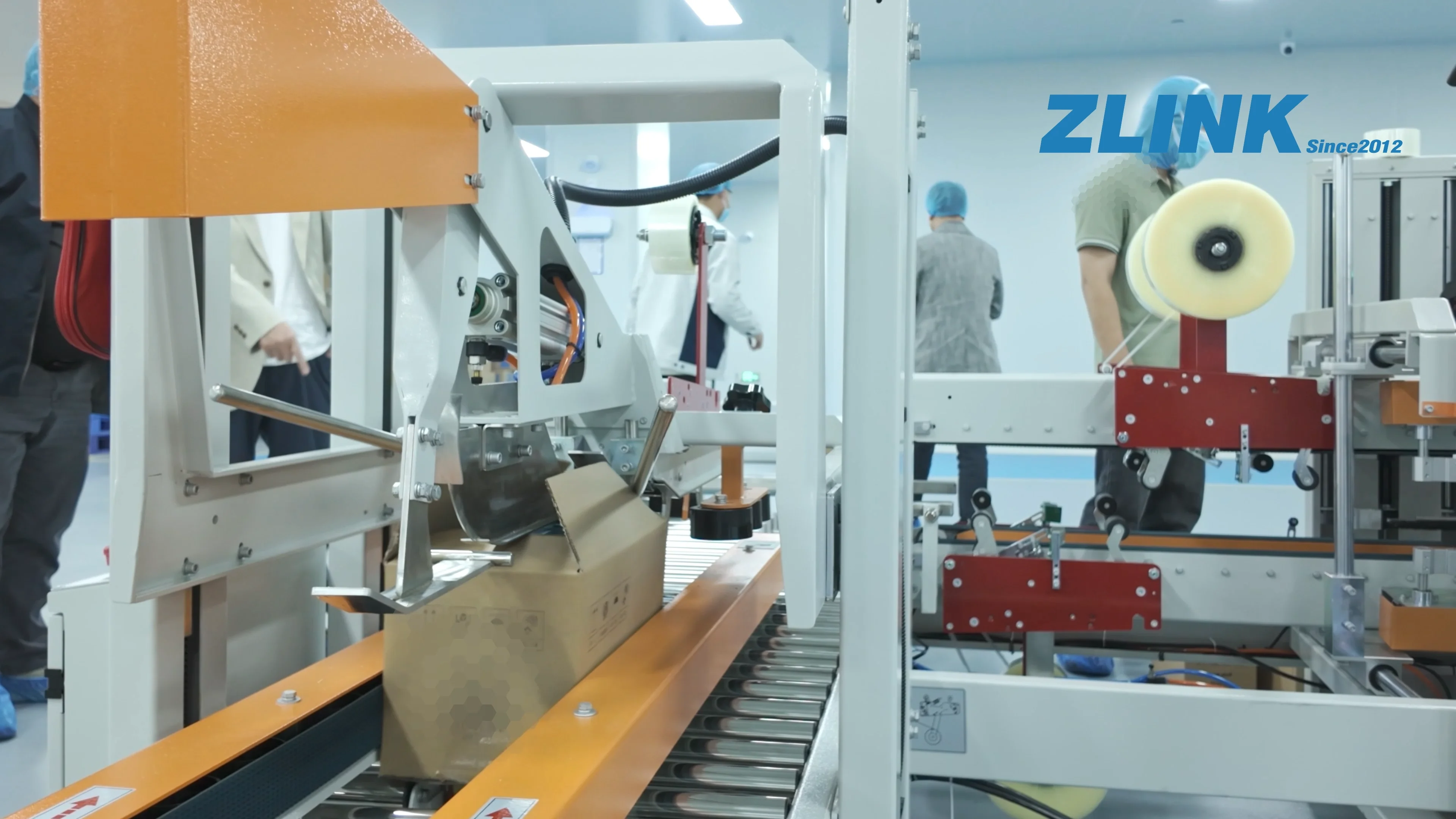
From an engineering perspective, remote data access depends on how the production line is configured during installation. In ZLINK wet wipes equipment projects, data collection points are typically integrated into the control cabinet and connected to human-machine interfaces. Depending on customer requirements, operational data can also be exported or synchronized with higher-level factory management systems for centralized monitoring and production analysis.
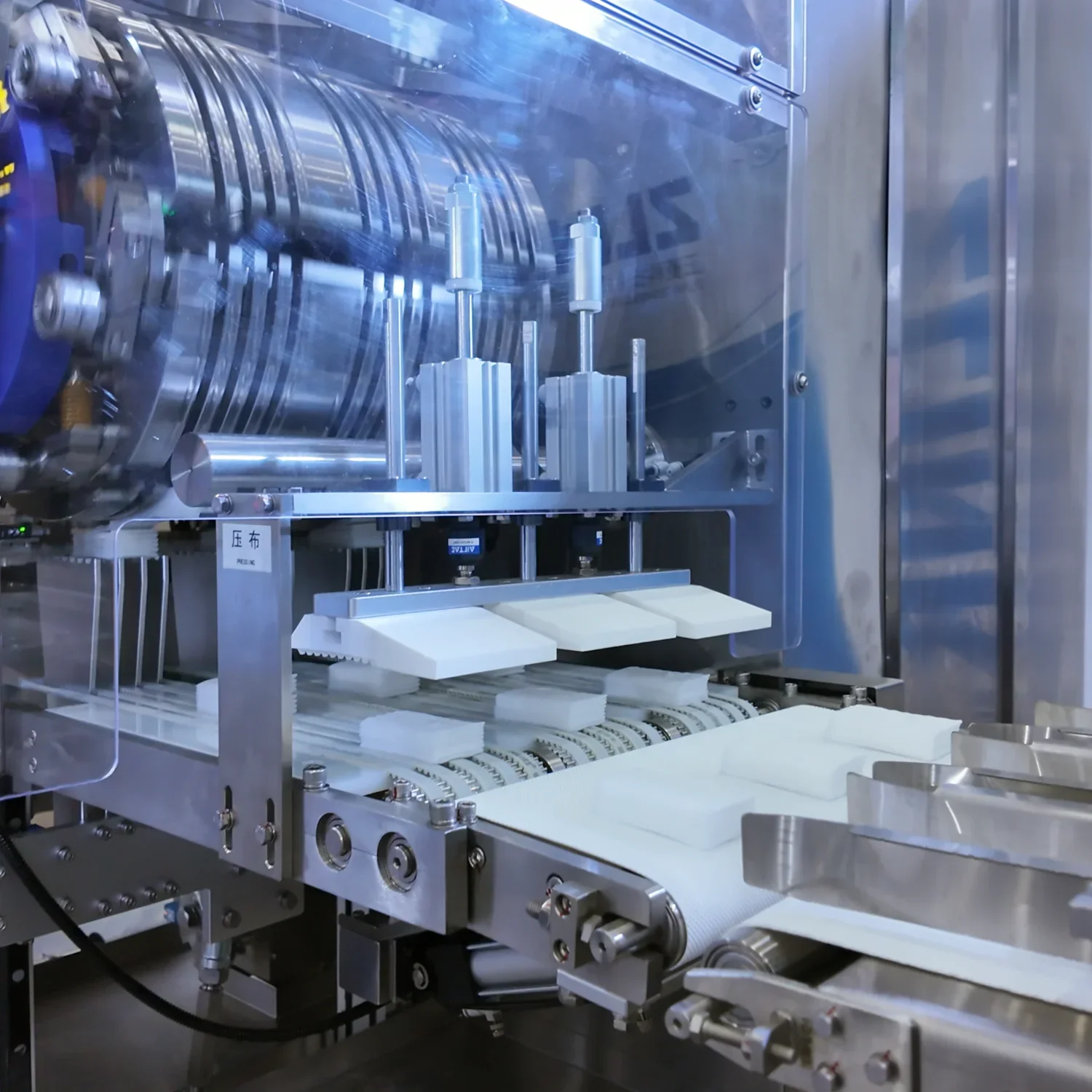
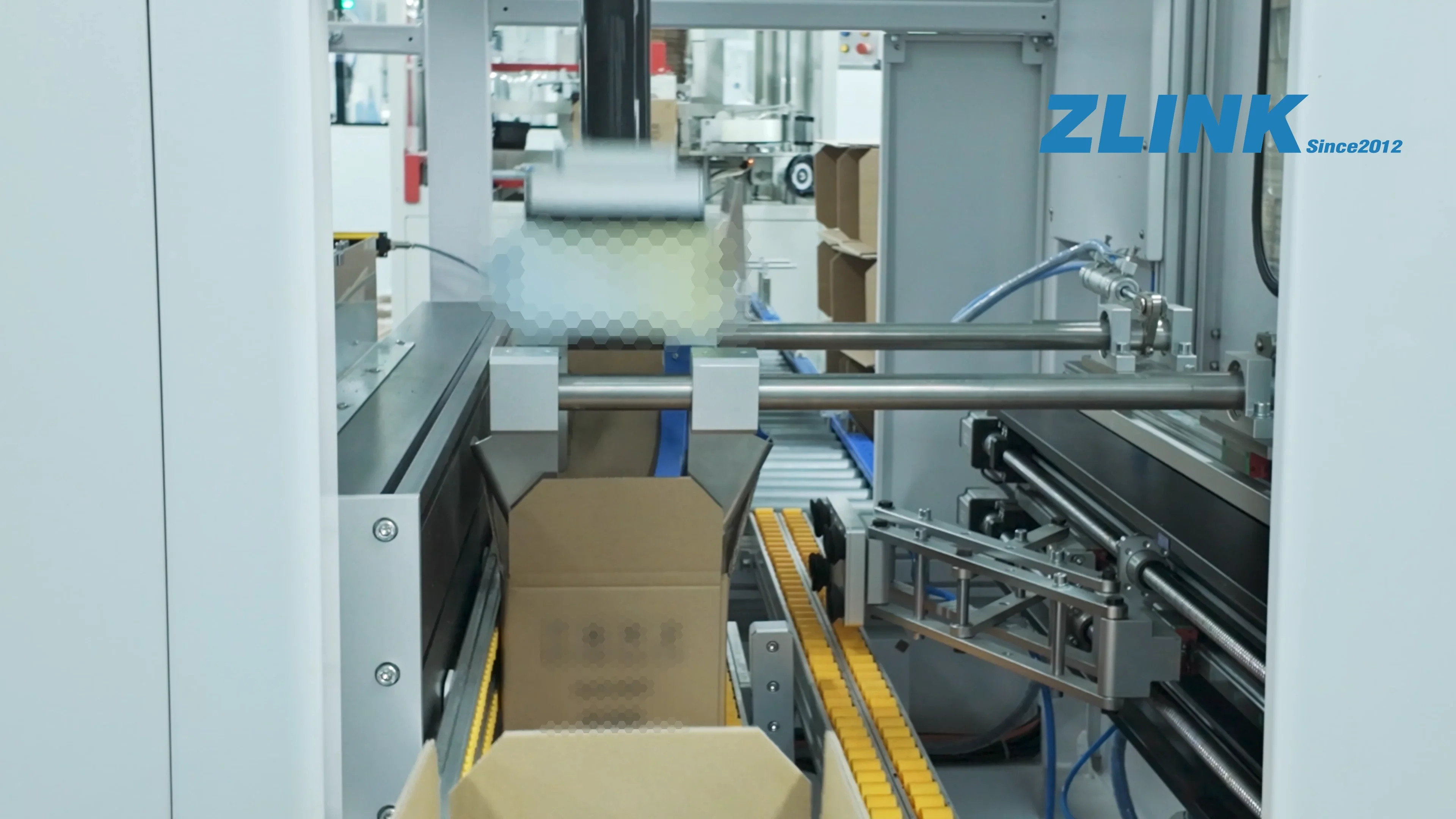
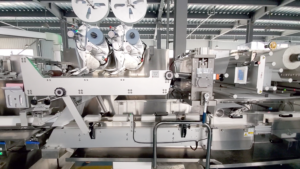
Baby wipe production lines in China, including the WT-IF20/40/60HS high-speed series, are designed with coordinated multi-module structures that support structured data collection across stages such as folding, wetting, cutting, and packaging. The WT-IF20/40/60HS series has also been developed in accordance with CE and ISO system standards, helping ensure hardware stability and operational reliability in remote monitoring environments. This configuration allows production teams to analyze efficiency trends, equipment utilization, and workflow performance more effectively during daily operations.
Conclusion: Practical Value of Remote Monitoring in Wipes Manufacturing
In conclusion, remote access to production data in wet wipes manufacturing is achievable, but it is typically implemented through integrated control and factory management systems rather than standalone equipment features. A China baby mini wet wipes machine factory setup can support this capability when MES or SCADA systems are included in the overall solution design.
At ZLINK, we focus on integrating automation and data visibility into production lines so that operators and management teams can better understand machine conditions during operation. A China baby wipe production line does not only focus on output performance but also supports structured data flow, which helps improve production decision-making in daily factory operations.