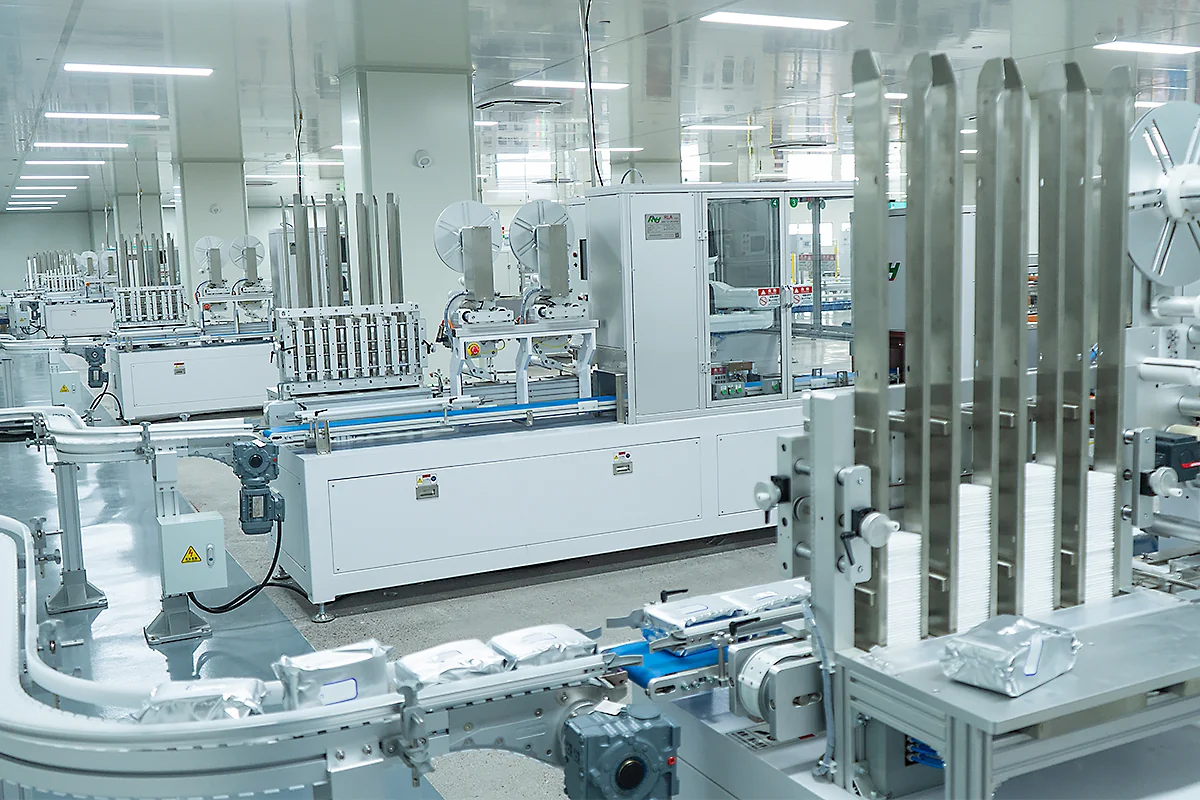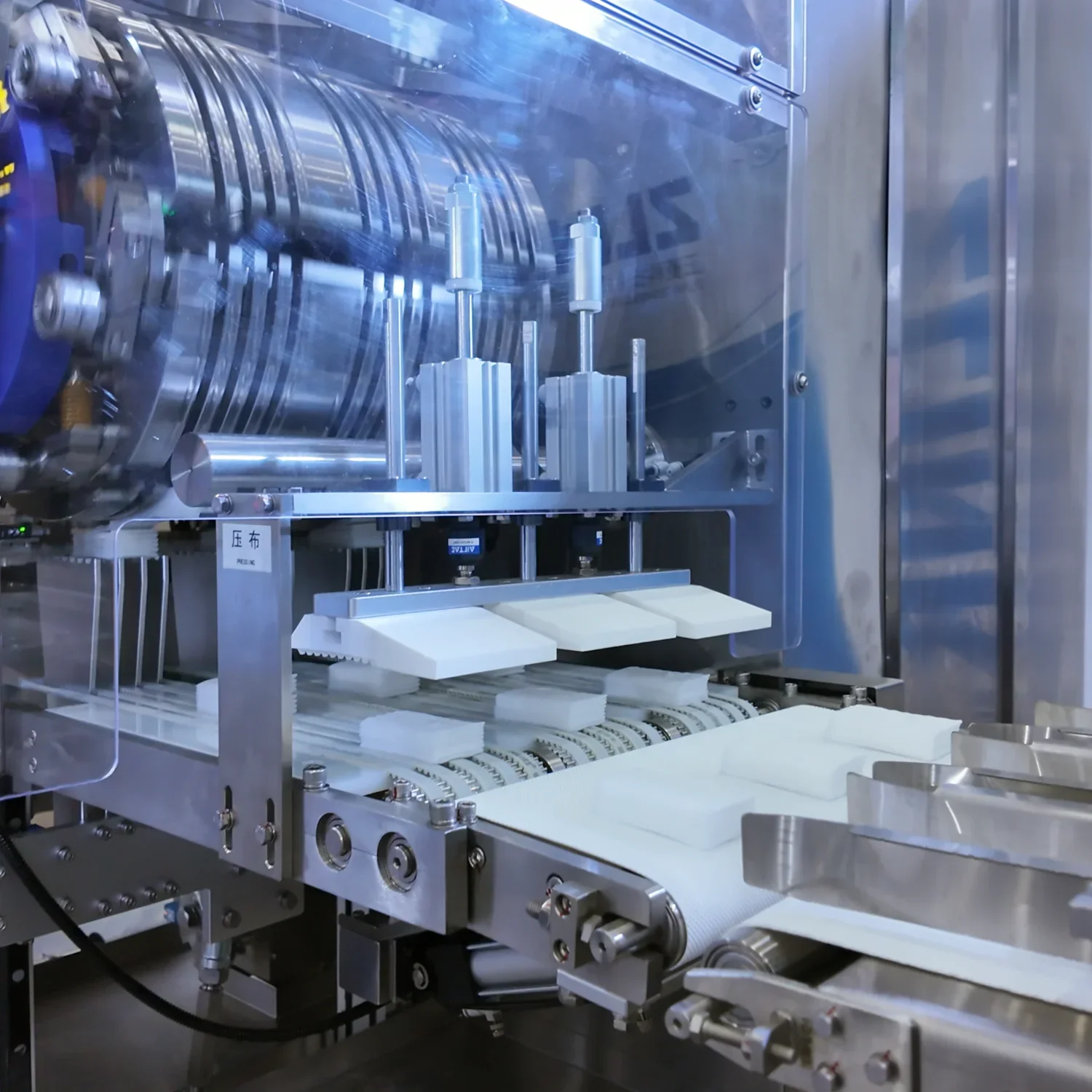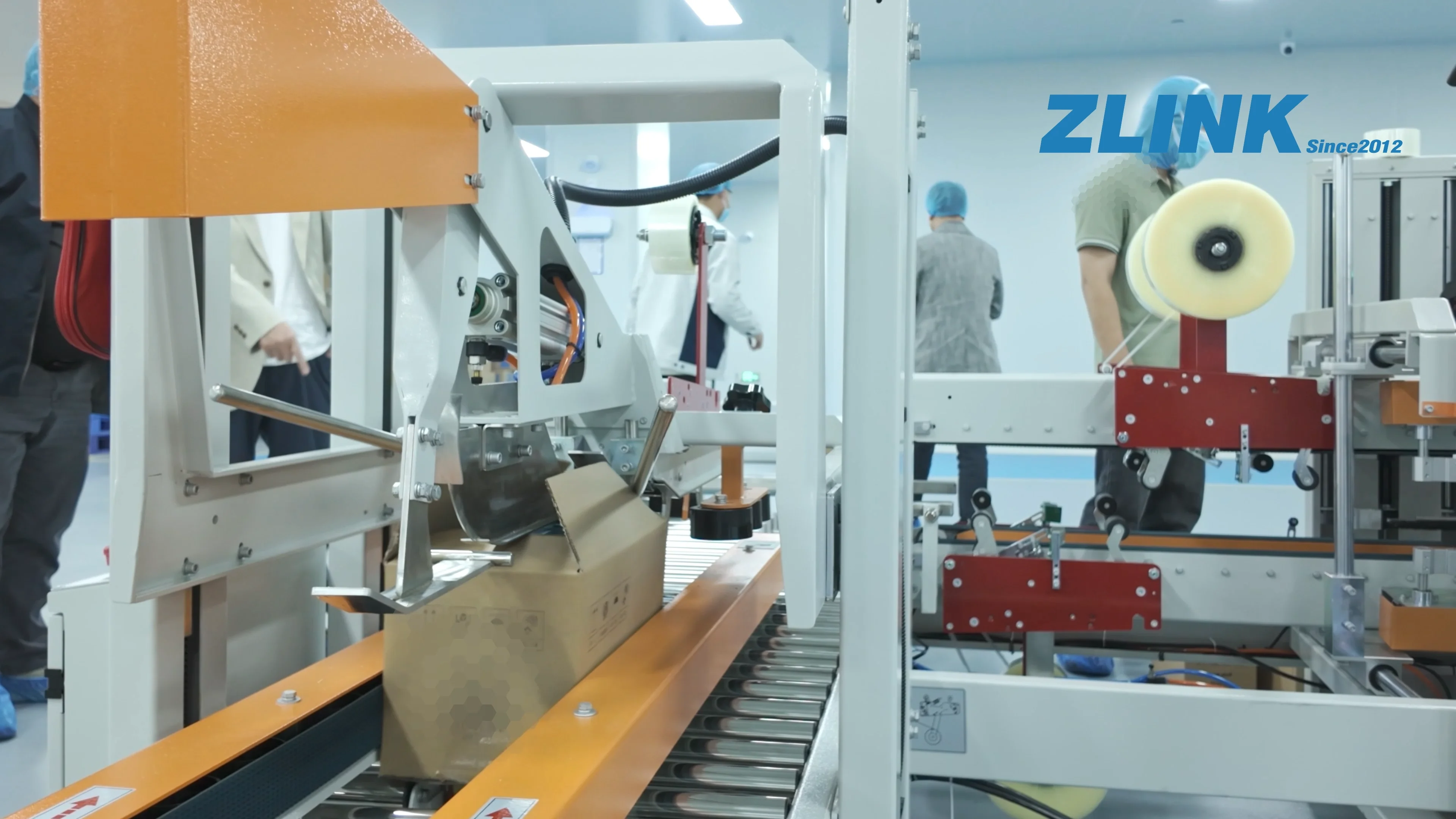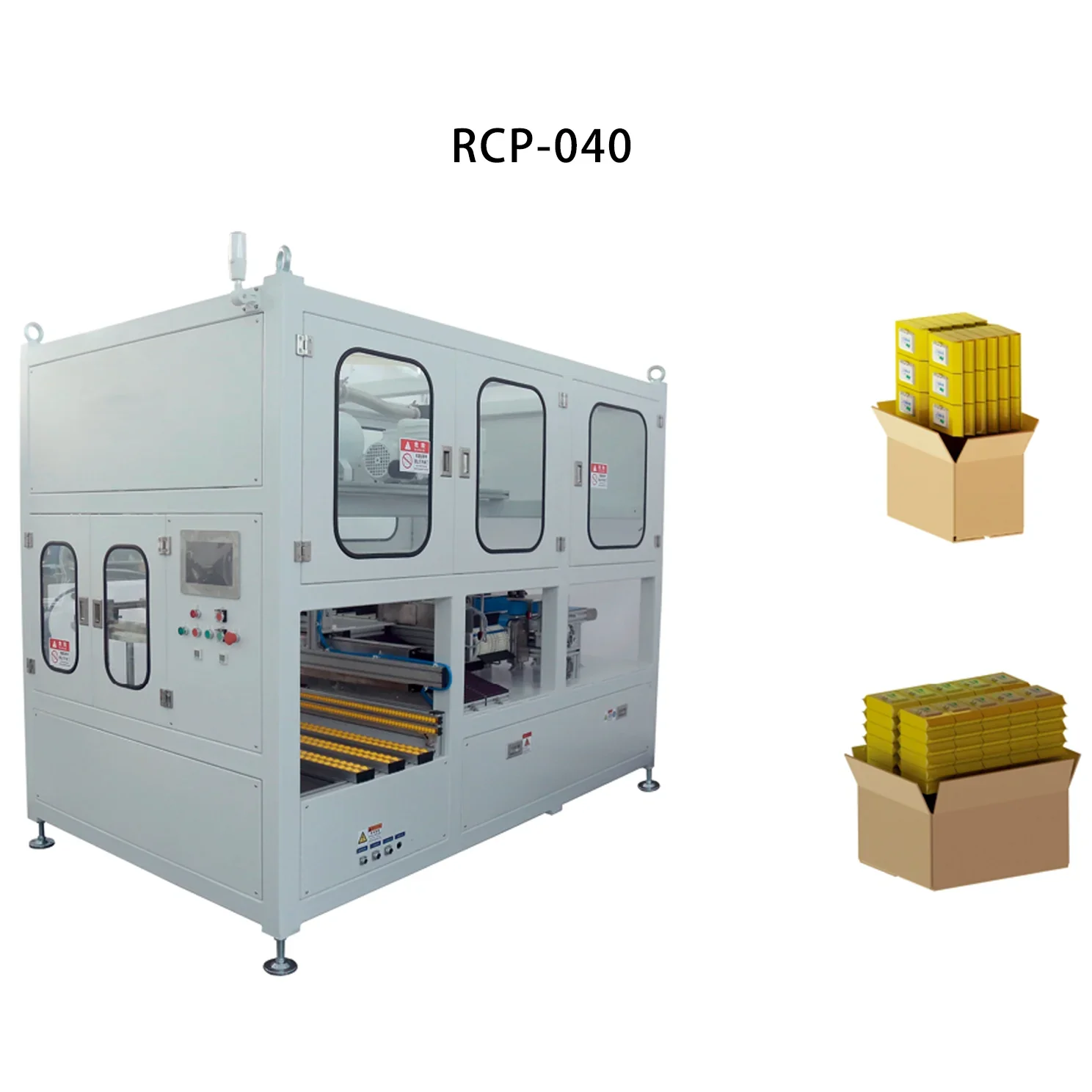







In wet wipe manufacturing, production efficiency depends on stable capping and packaging coordination. ZLINK develops systems designed for continuous operation across different production speeds. In a typical line, the lid applicator machine works together with downstream processes to ensure consistent container sealing. At the same time, the wet wipe packaging machine supports forming, filling, and sealing steps within one controlled workflow. Our engineering approach focuses on aligning mechanical timing with product flow so operators can maintain stable output during routine shifts. This structure also helps production teams reduce interruptions caused by misalignment between modules.
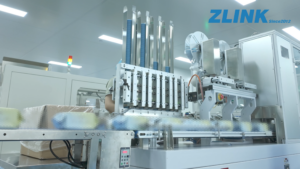
Reject Handling in Automated Lid Application
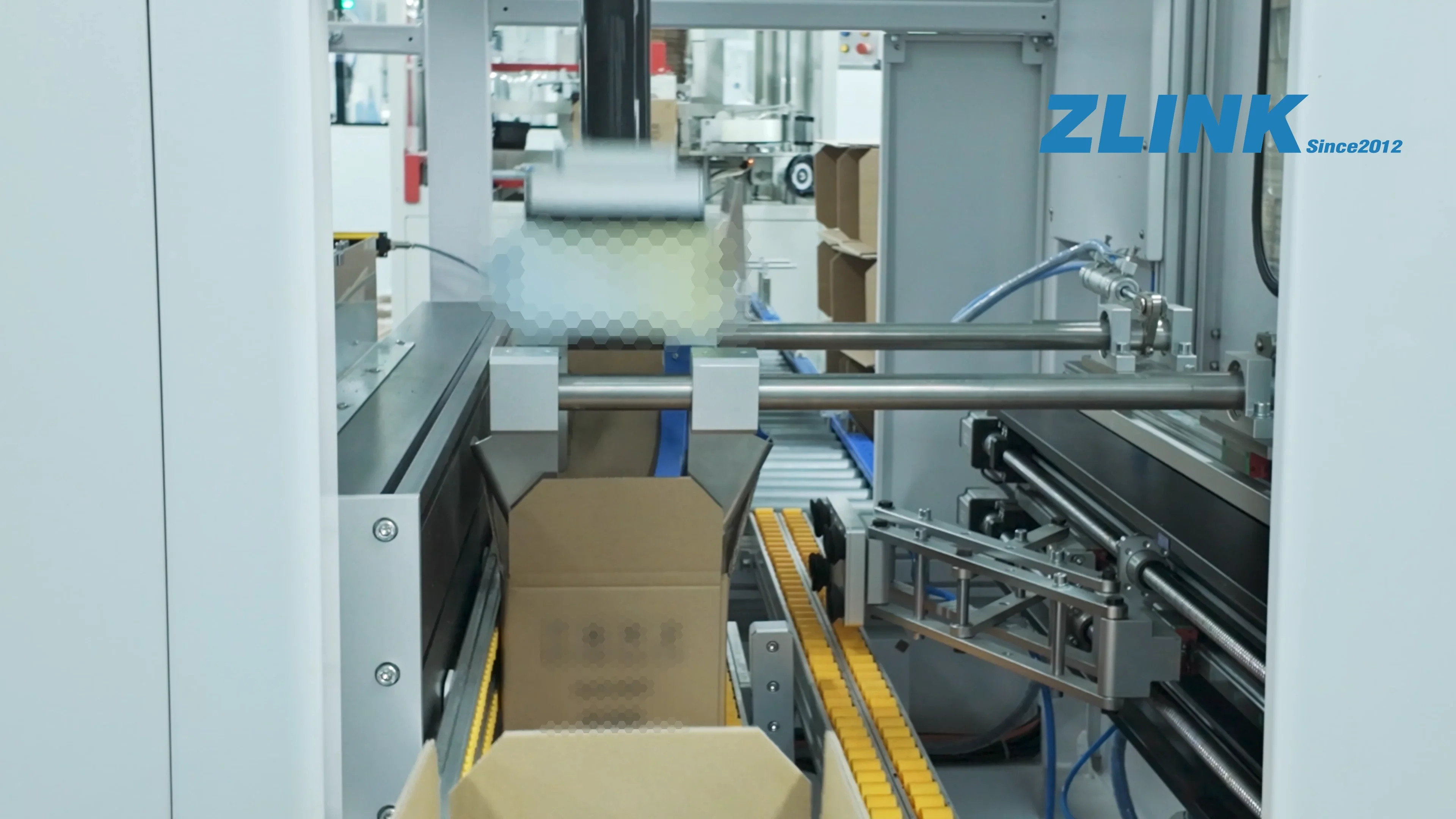
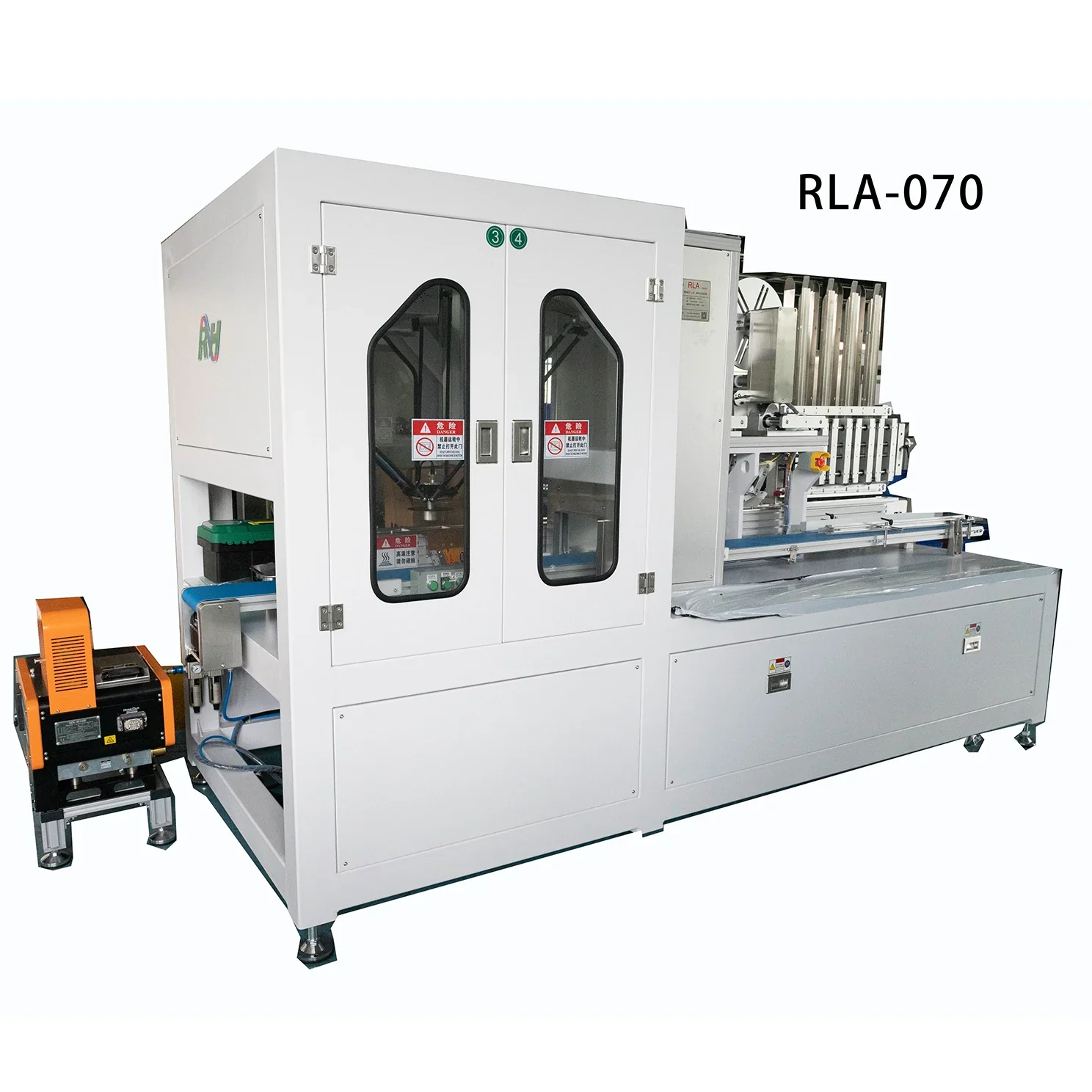
In high-speed production environments, reject management is integrated into equipment control logic to maintain consistent output quality. ZLINK designs automation sequences that identify abnormal lid placement and trigger response actions without stopping the full line. The lid applicator machine uses sensor feedback to detect missing or misaligned lids and directs rejected units to a controlled return path. Downstream, the wet wipe packaging machine maintains synchronization so that rejected items do not disrupt filling or sealing stages. This coordination allows operators to monitor rejection rates while keeping mechanical flow stable. The system is configured to support routine inspection and adjustment during scheduled maintenance rather than frequent manual intervention.
Integration in Wet Wipe Production Lines
In integrated wet wipe production lines, coordination between forming, filling, and sealing modules is essential for steady output. ZLINK applies modular design principles so that each section can operate with defined timing relationships. The lid applicator machine is positioned to match container flow, ensuring lids are applied after filling without delay. This reduces unnecessary accumulation at transfer points. The wet wipe packaging machine connects upstream preparation with final sealing and labeling processes, allowing continuous material movement. Data signals between units are used to align mechanical actions and reduce inconsistencies during start-up and changeover periods. Operators can review system status through control interfaces that display operational timing and basic fault indications.
Conclusion: Operational Stability and Control
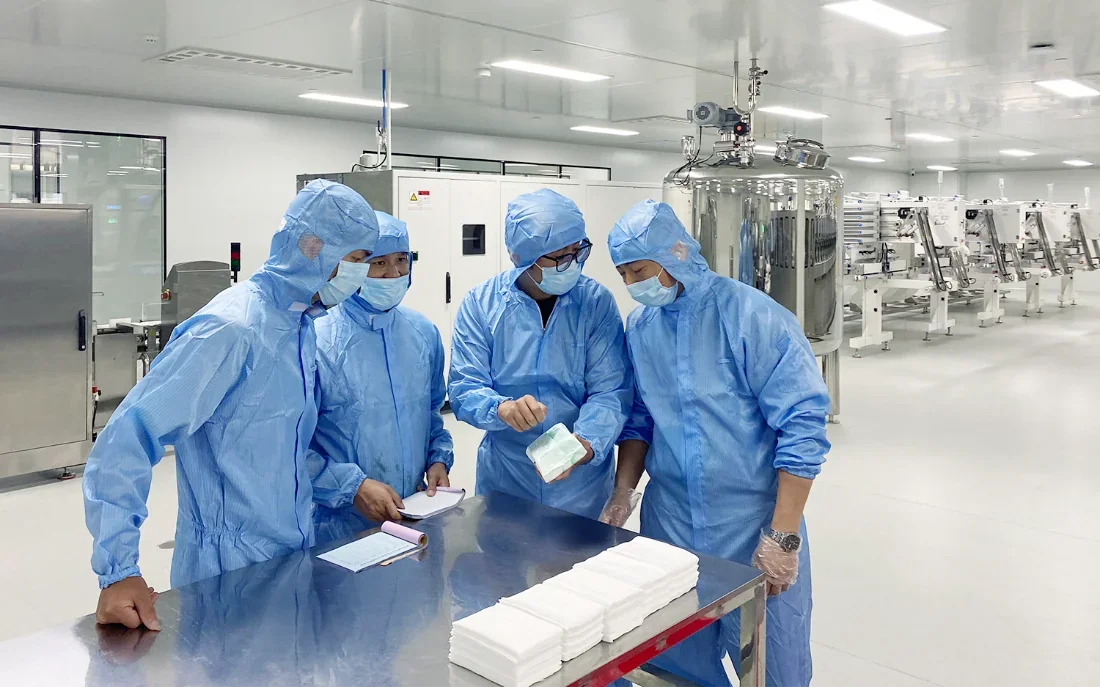
In practical wet wipe production settings, stable equipment coordination plays a key role in maintaining predictable output across different shifts. ZLINK focuses on designing systems that allow operators to manage process alignment without frequent manual correction. Through structured control logic and modular configuration, production teams can observe how each section interacts during normal operation. Reject handling and material flow supervision are implemented in a way that supports consistent performance without unnecessary interruptions. Maintenance activities are typically planned based on usage cycles to support long-term equipment stability. This approach also helps reduce variability during production transitions. The design supports clear separation between mechanical actions and control decisions, which improves overall process clarity. It also allows teams to respond to changes in demand without major structural adjustments. System monitoring supports steady operation in routine manufacturing environments across shifts daily with consistent process control oversight.