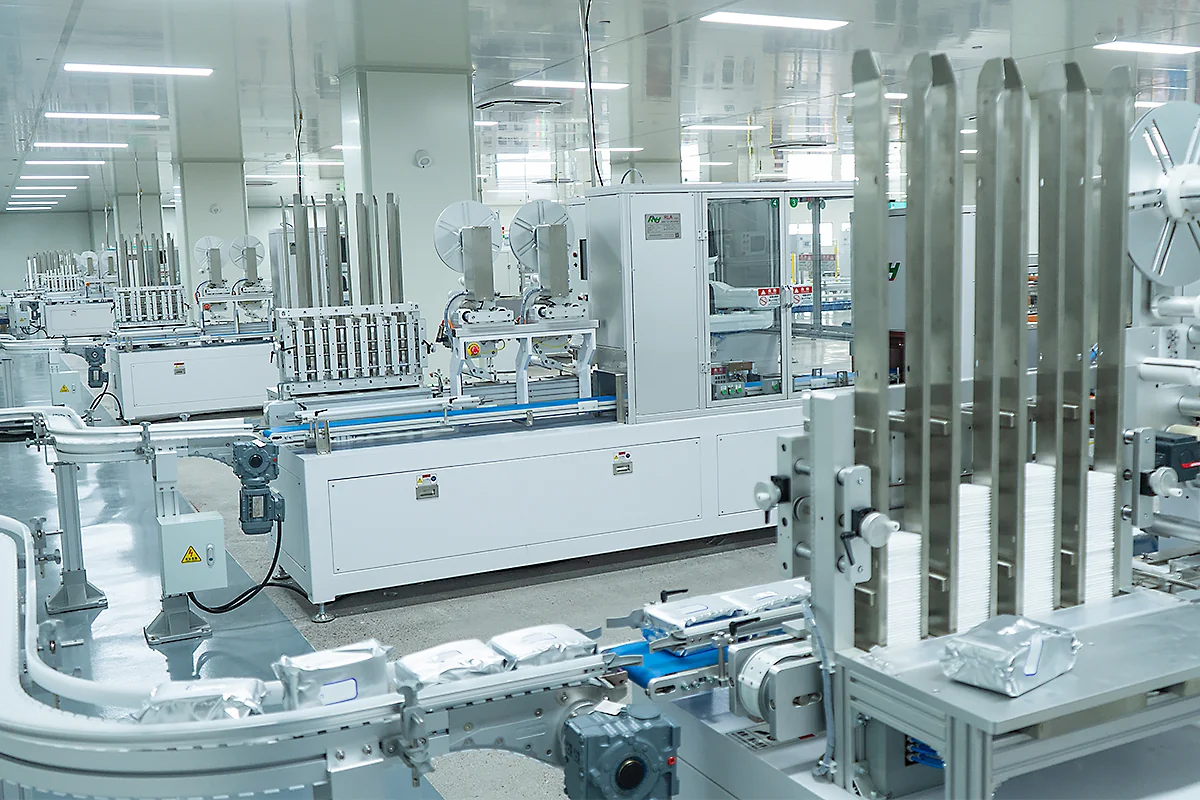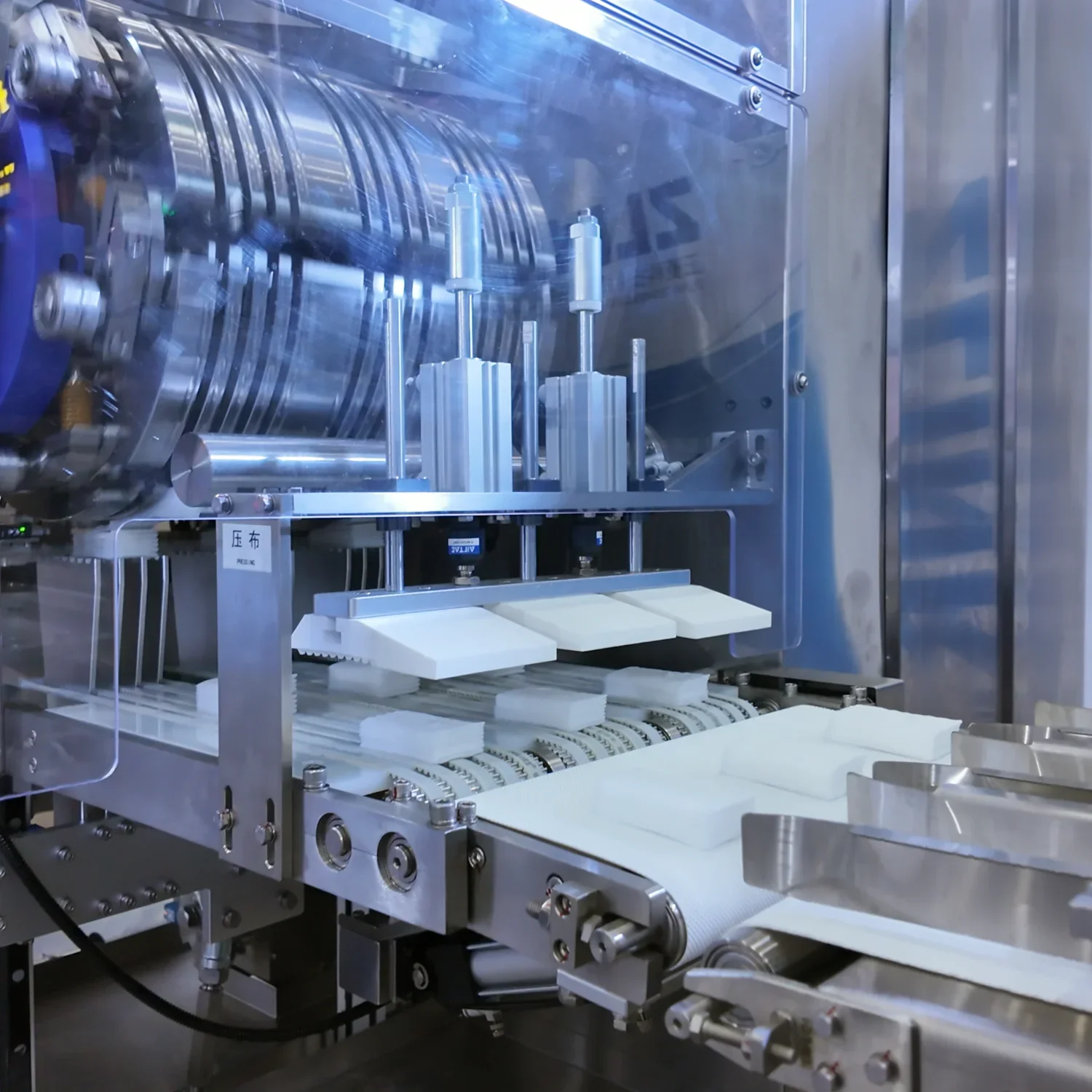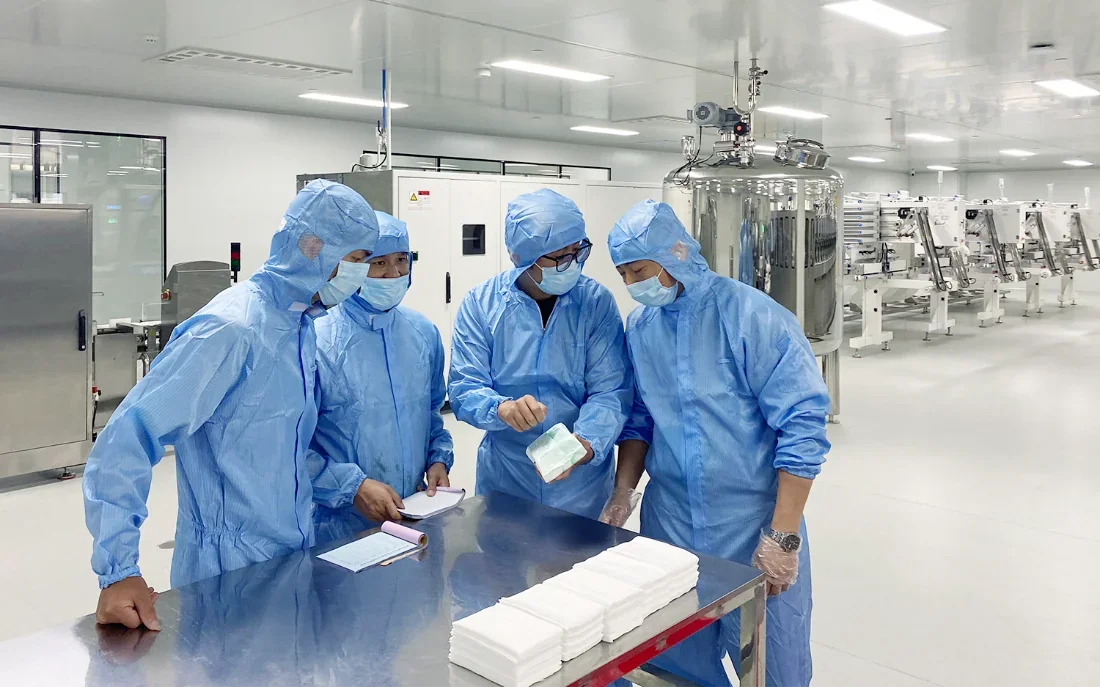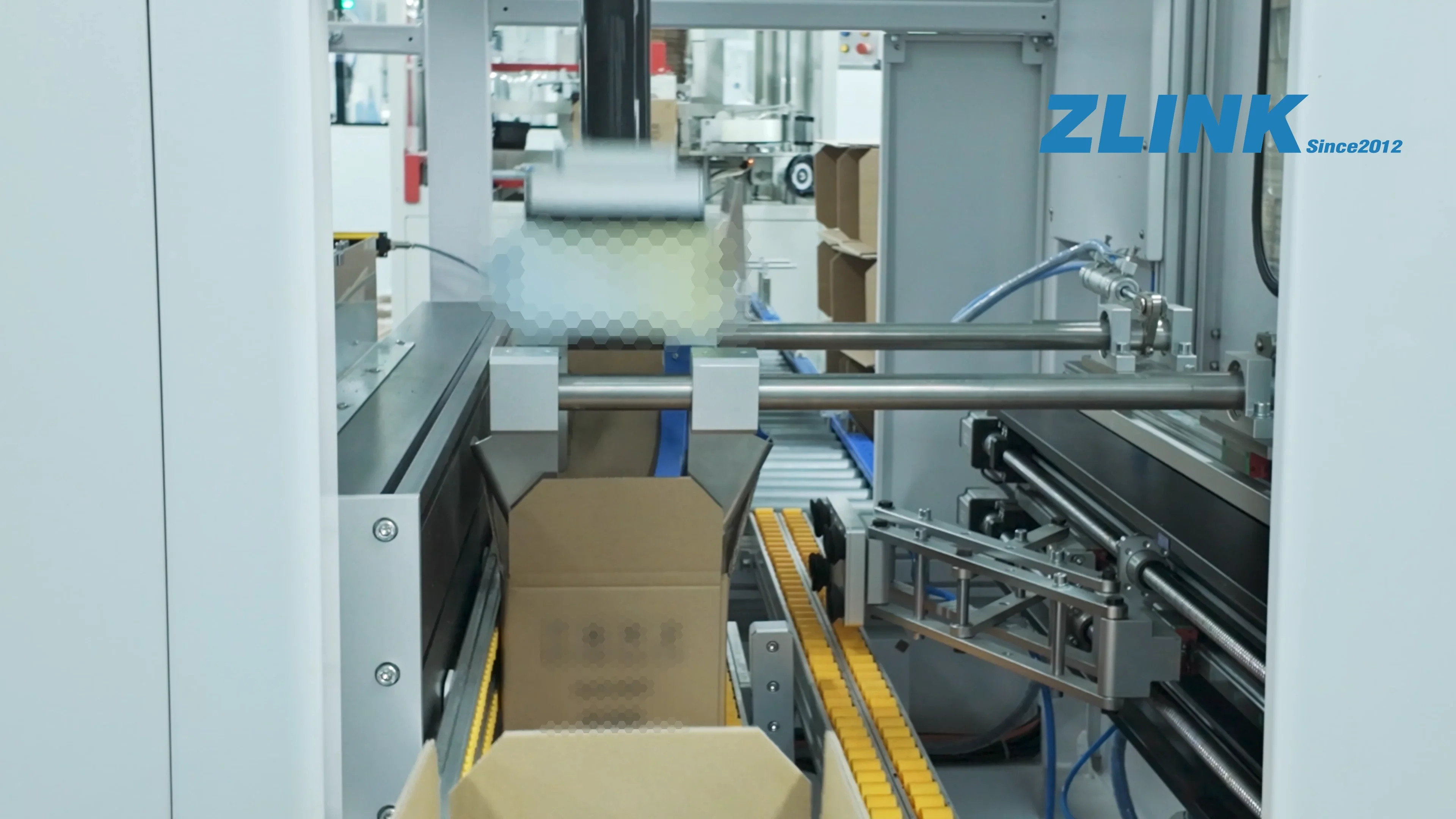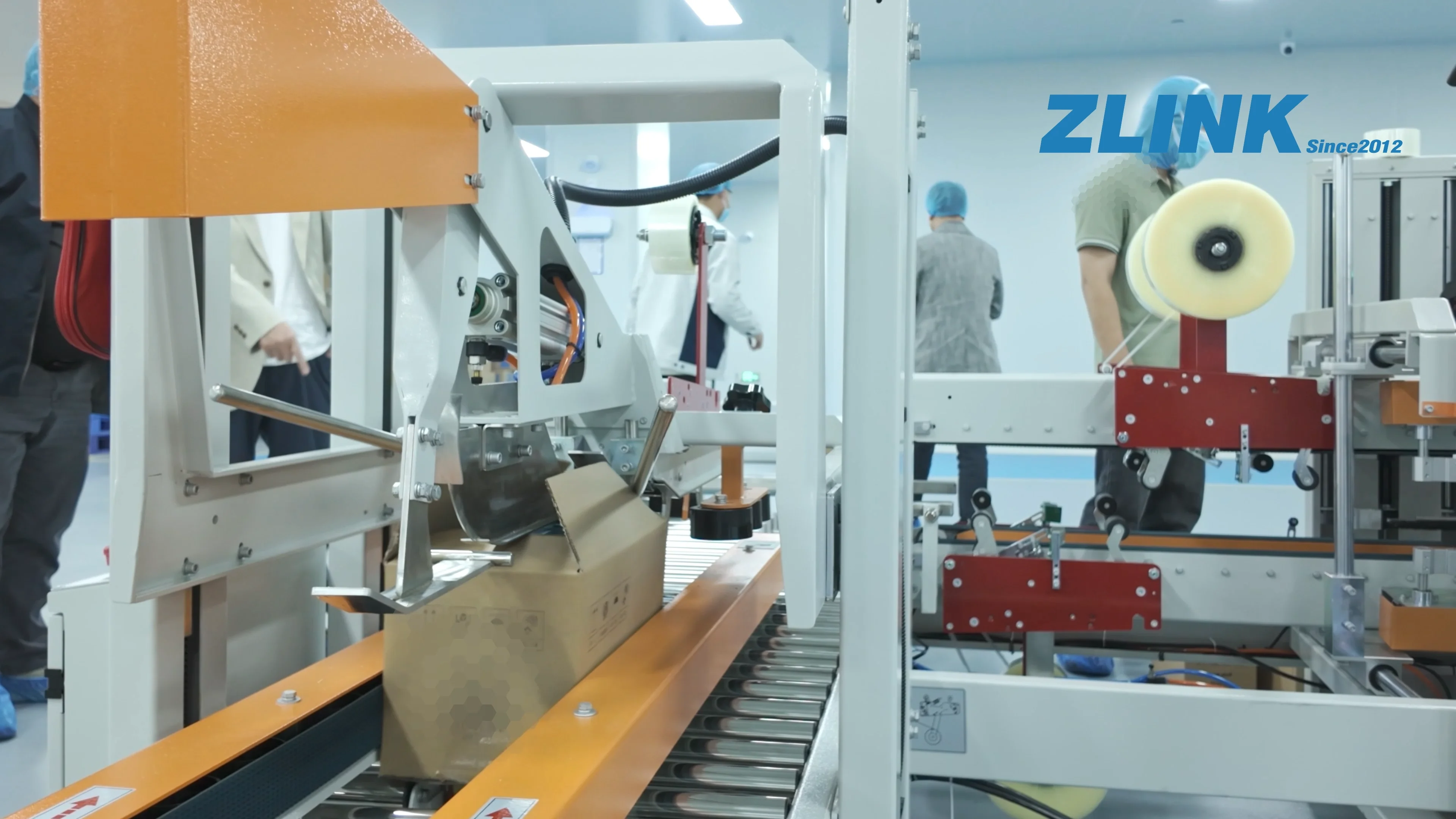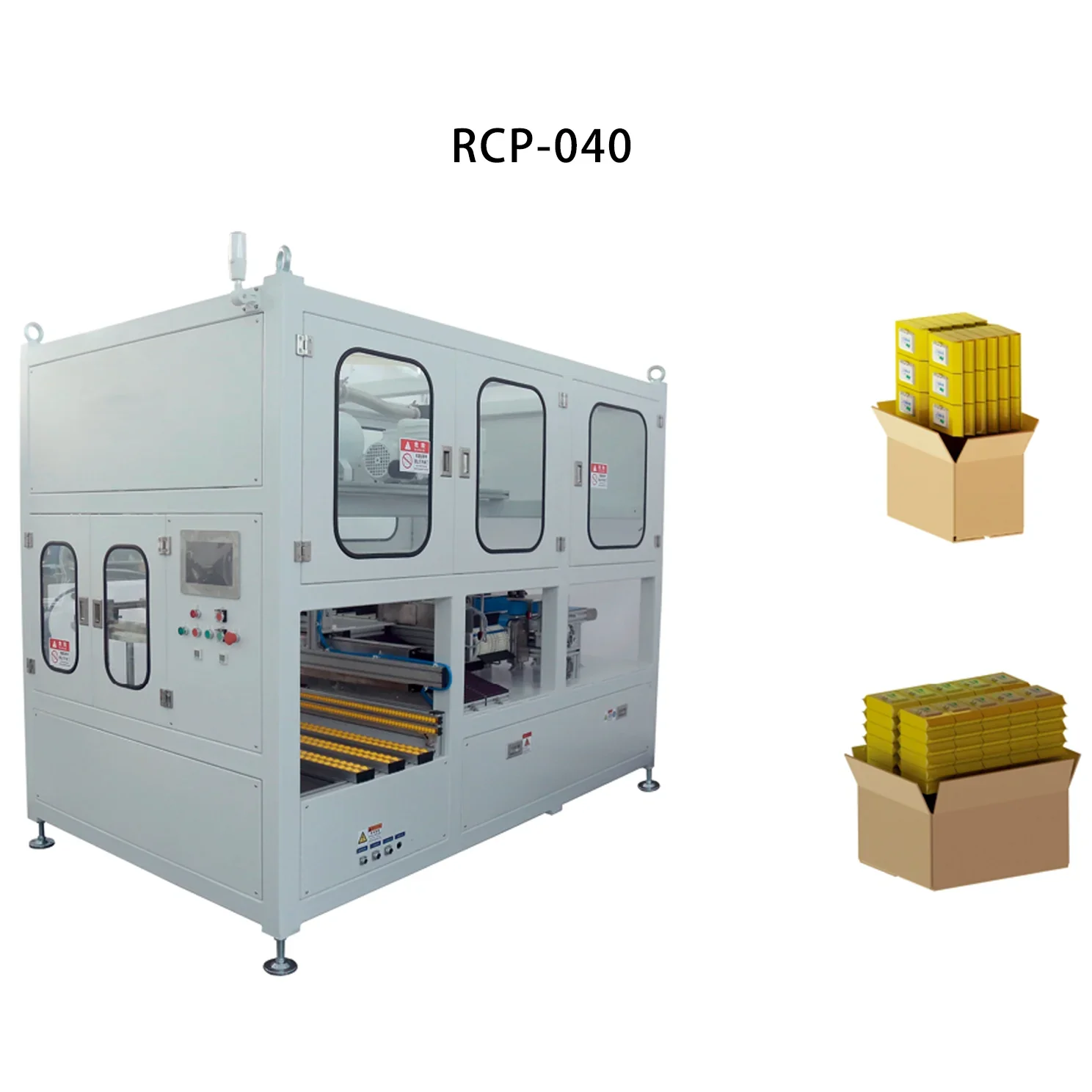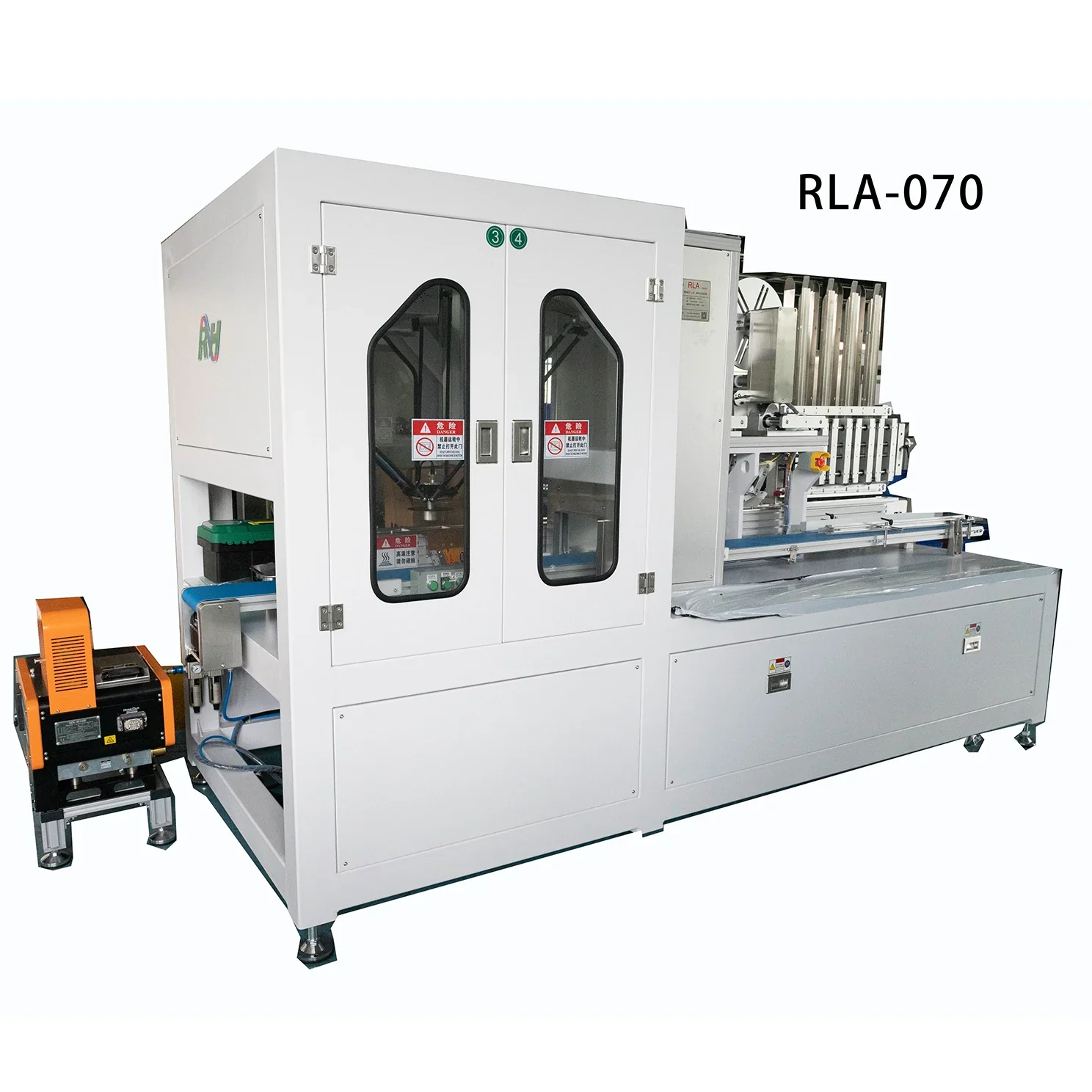








In modern wet wipes production lines, we focus on improving stability and consistency across every packaging stage. As we operate in this field, ZLINK provides equipment solutions that integrate forming, sealing, and labeling processes into one workflow. In typical applications, a lid applicator machine is used to position and attach lids accurately on wet wipes packs, while a wet tissue packing machine supports the primary packaging and sealing process. These systems are often connected in sequence to reduce manual handling and maintain stable output for different production demands. In our experience, inspection functions play an important role in ensuring each unit meets expected alignment and placement requirements before moving to the next stage.
Visual Inspection for Placement Accuracy
In our production approach, vision-based inspection systems are integrated to support consistent component alignment during lid application processes. ZLINK uses camera modules and lighting setups to detect deviations in lid position, orientation, and sealing condition in real time. When an automatic lid applicator operates at steady speed, small shifts can occur due to material variation or conveyor timing. Vision inspection helps identify these changes early and sends feedback to the control system for adjustment. This reduces the need for manual checks and supports stable operation across continuous production cycles. It also improves coordination between upstream filling and downstream packing stages, ensuring smoother transitions in the packaging line. This integration supports consistent and continuous output quality throughout daily manufacturing operations.
Line Integration and Process Coordination
We incorporate equipment coordination between forming, filling, and sealing stations to maintain stable flow in wet wipes manufacturing. ZLINK designs system layouts that allow the lid placement unit to connect directly with upstream dosing and downstream packaging modules. In this configuration, the lid applicator machine operates in sync with conveyor timing, reducing mismatch between lid positioning and container movement. At the same time, the wet tissue packing machine handles sealing and bag forming with controlled temperature and pressure settings to support material compatibility. By aligning these processes, we can reduce interruptions caused by timing differences and material variation. Vision feedback data is also shared across control units to support coordinated adjustments in real time, helping maintain consistent production rhythm across shifts consistently.
Conclusion: System Performance and Operational Consistency
In wet wipes manufacturing environments, we focus on maintaining stable coordination between inspection and packaging stages to support predictable output behavior. ZLINK applies vision inspection methods to observe lid positioning accuracy and packaging alignment during continuous operation. This approach helps detect variations early and supports adjustment within the control system without interrupting production flow. By combining automated monitoring with synchronized equipment design, we can reduce dependency on manual verification steps and maintain a more consistent process rhythm. The integration of inspection feedback into the production line also supports smoother transitions between different functional units. Overall, this approach creates a structured workflow in which each stage is connected through measurable control signals and coordinated system responses. This supports stable production across daily operations consistently maintained.