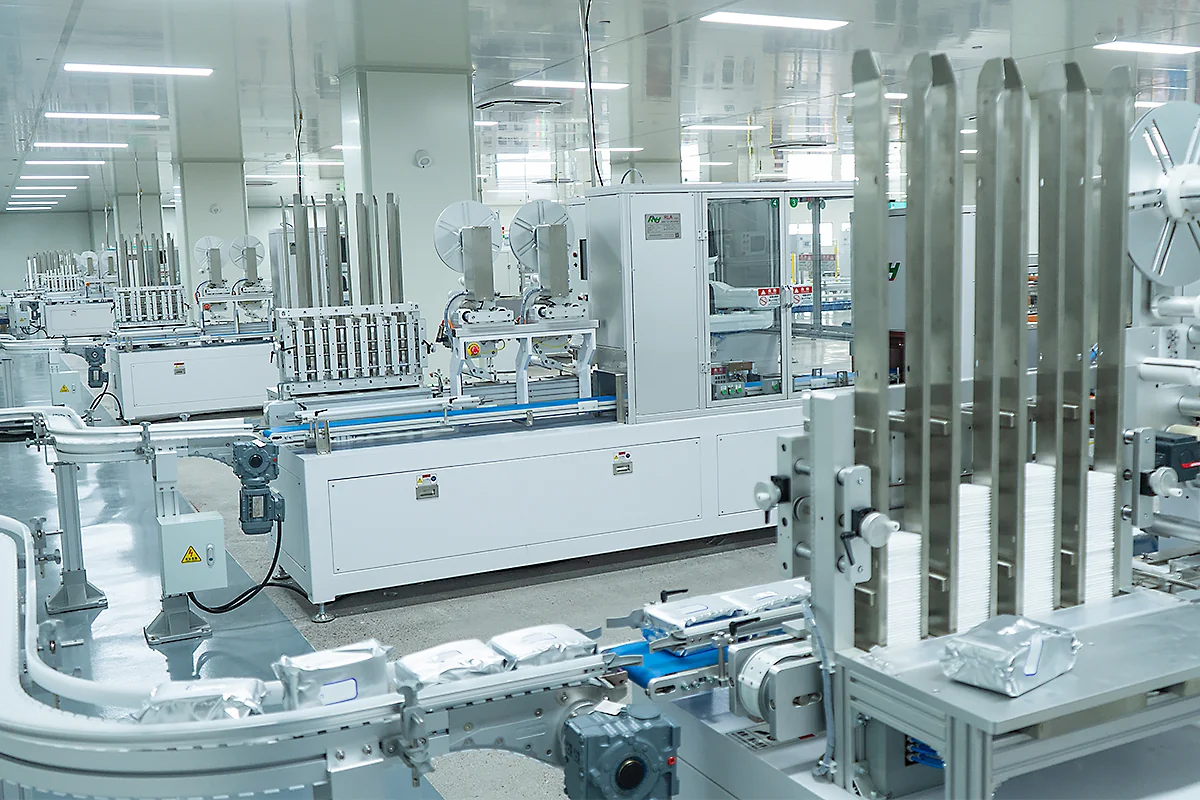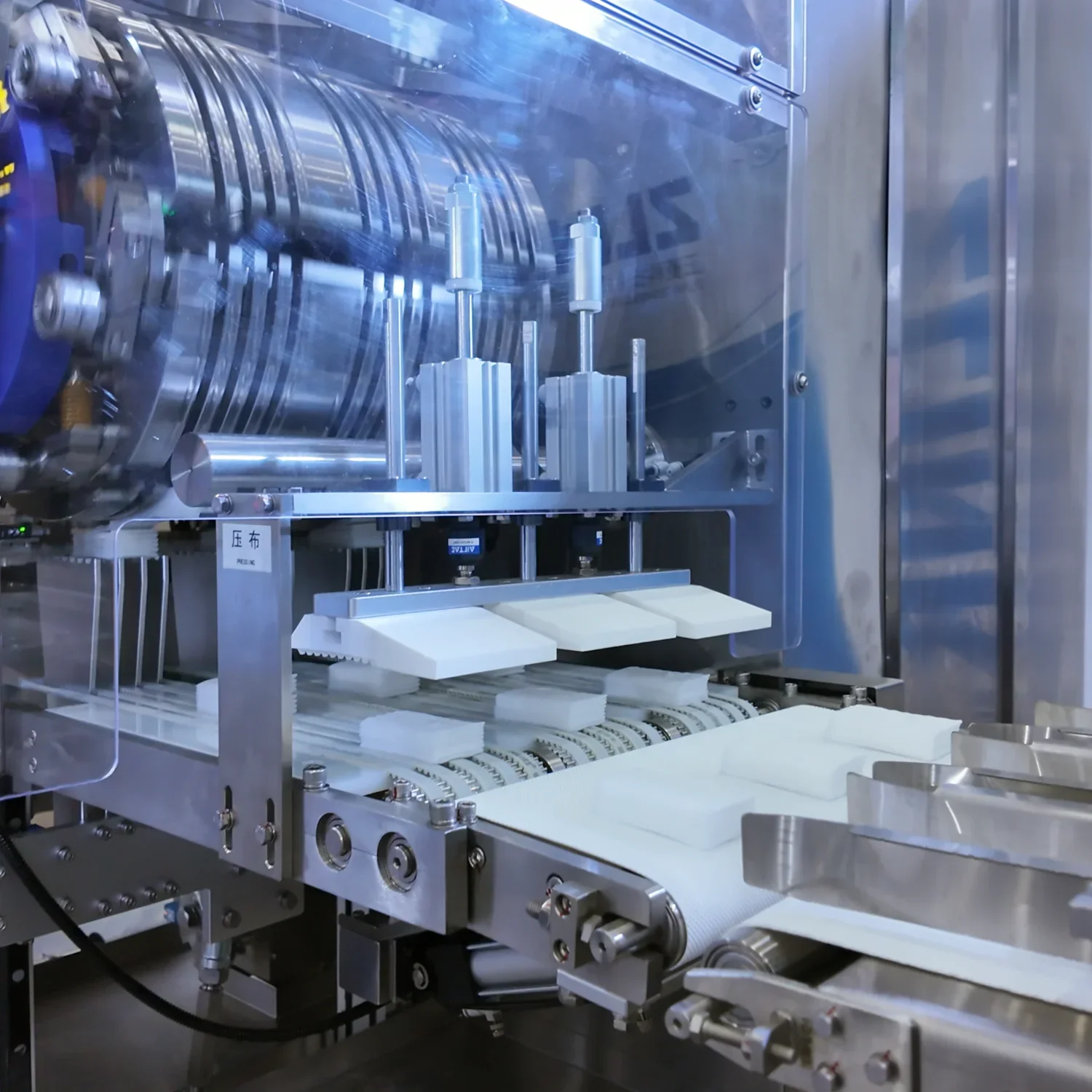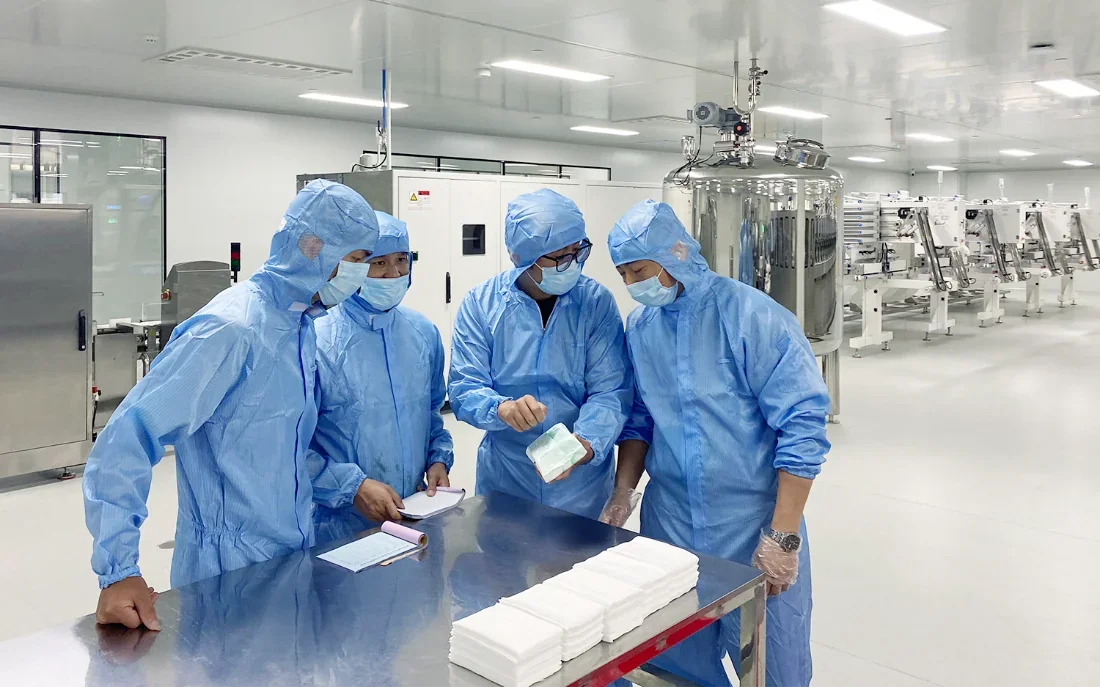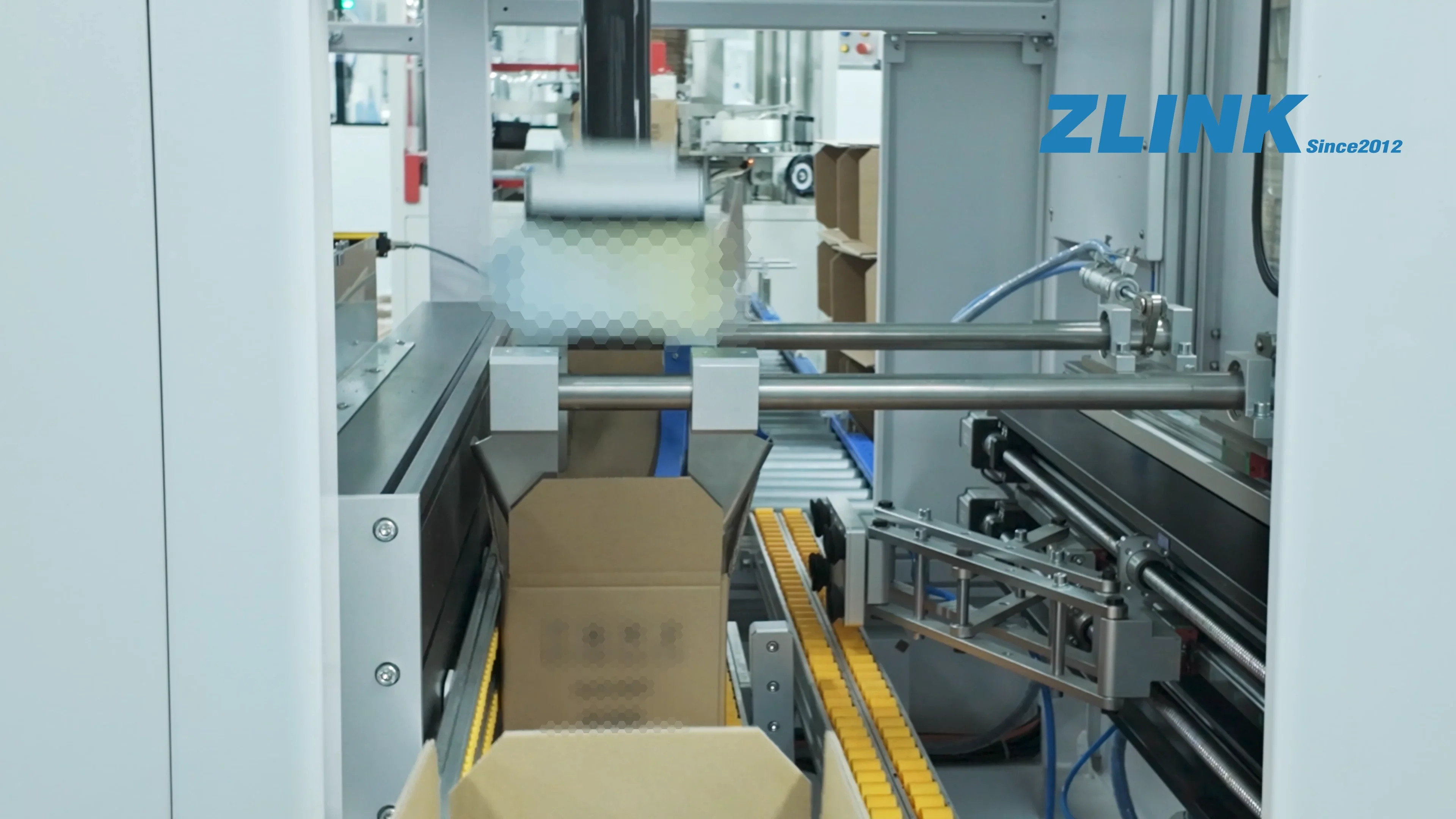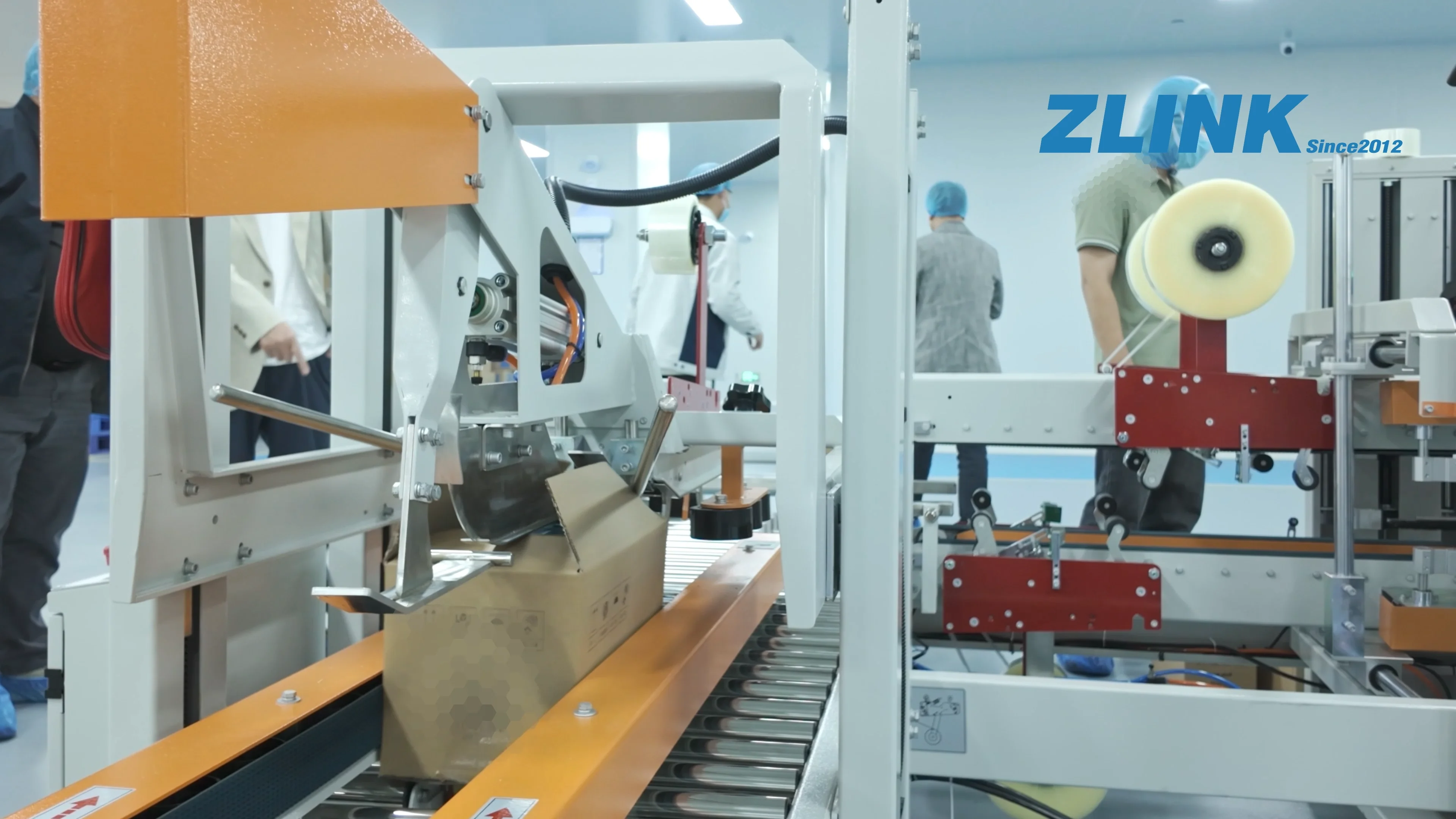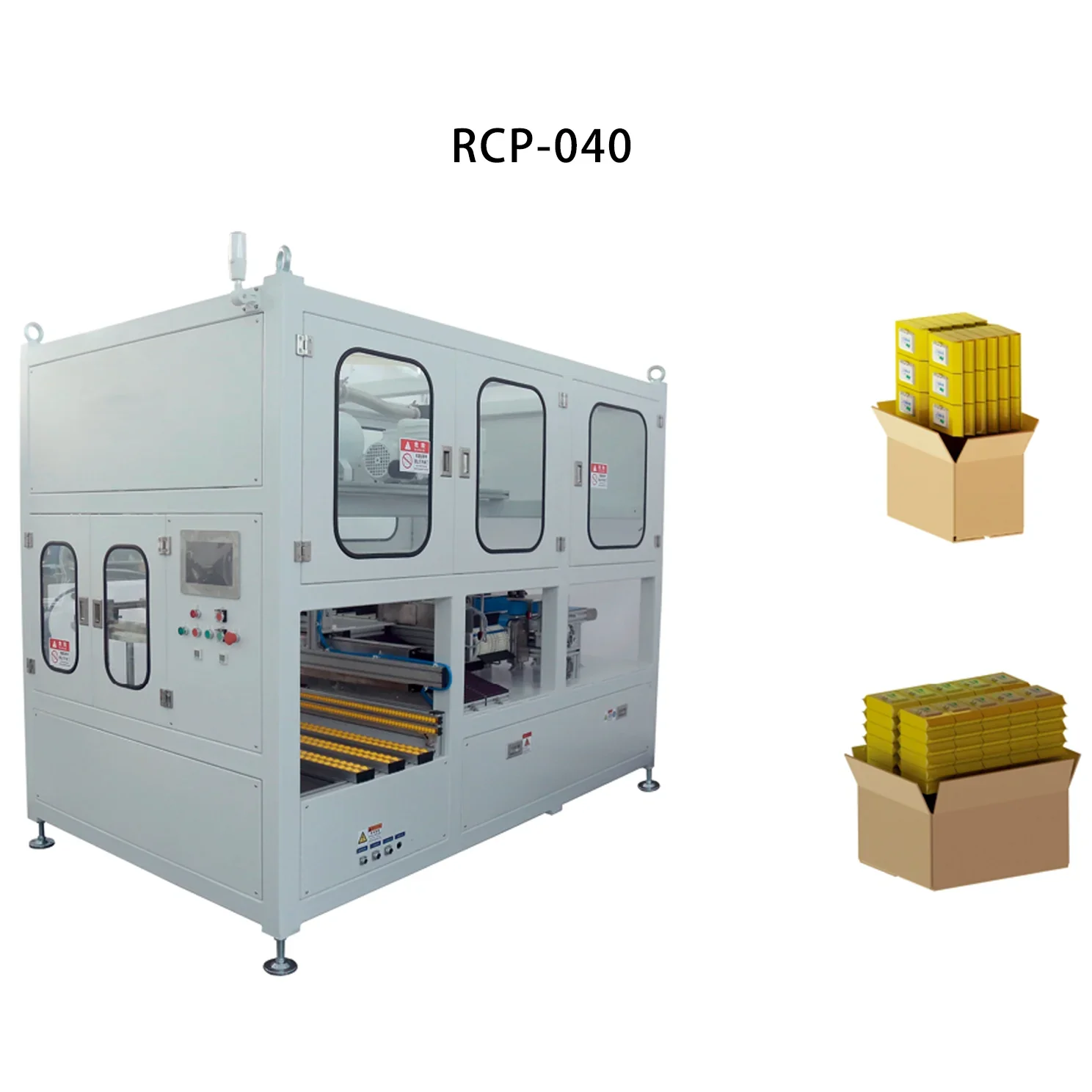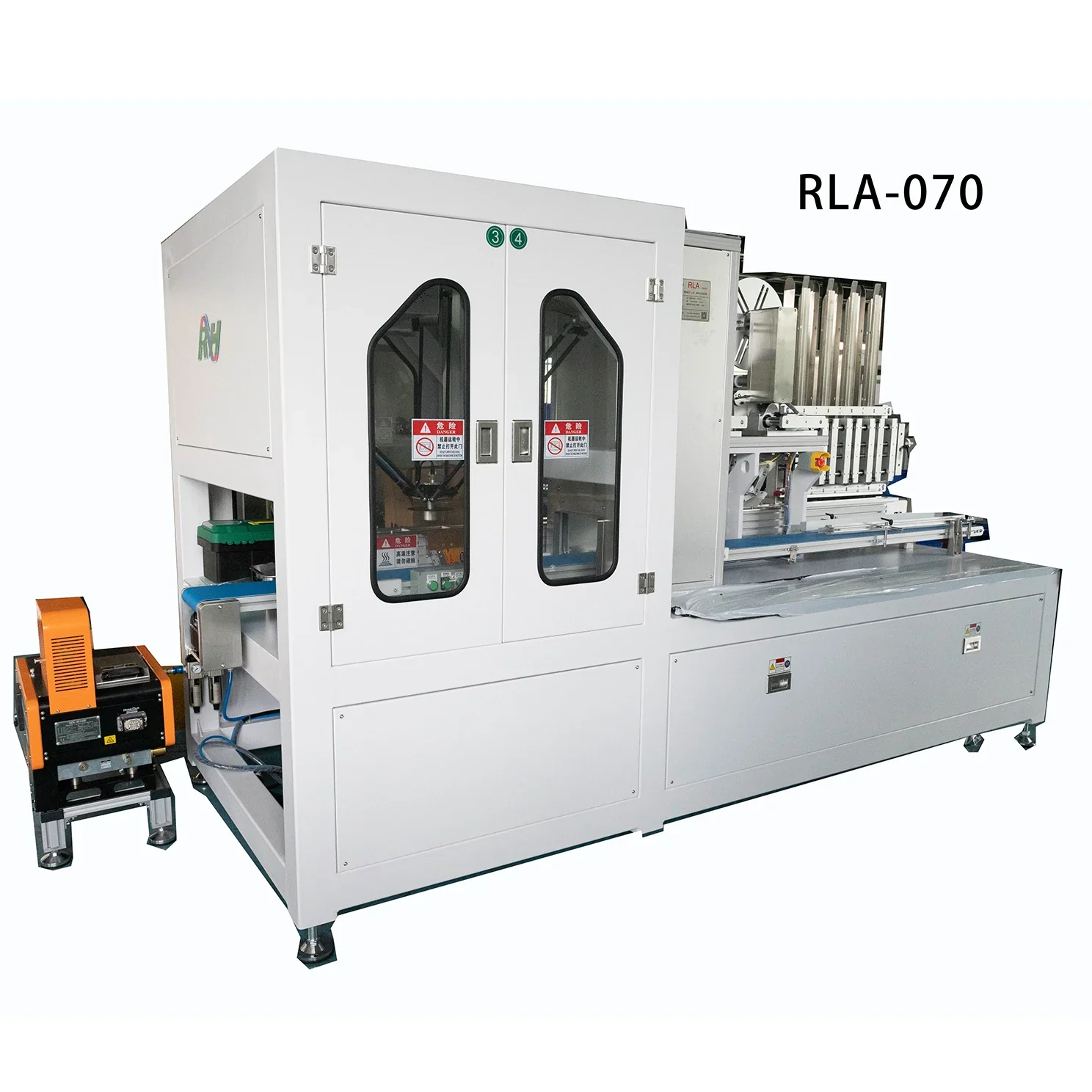







In wet wipes manufacturing environments, lid placement consistency is closely related to downstream sealing stability and packaging appearance. A lid applicator machine is typically used in automated lines to position and press lids onto finished packs with controlled timing. Within integrated production systems, ZLINK observes that synchronization between filling, sealing, and labeling stages directly influences workflow stability. Wet tissue packaging machines in China are often chosen for production setups that require coordinated operation across multiple packaging modules. In practical production, timing balance between these units helps reduce unnecessary interruptions and supports smoother material transfer across the line.
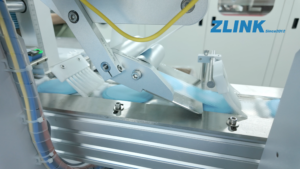
Controlled Lid Positioning in Continuous Operation
Operational efficiency in lid application is generally evaluated through repeatability, alignment accuracy, and response under continuous cycles. A lid applicator machine contributes to reducing manual handling while maintaining consistent lid placement across varying packaging materials. Adjustment of pressure and timing parameters allows operators to adapt to different production speeds without restructuring the entire line. In ZLINK system configurations, this equipment is typically positioned after filling modules to ensure a stable transition before final sealing. From a procurement perspective, ZLINK solutions are also valued in international markets for their competitive pricing structure, which helps manufacturers achieve cost efficiency while maintaining stable system performance. Production teams usually monitor mechanical synchronization rather than isolated machine output, as overall flow stability is more relevant in daily manufacturing conditions.
Process Synchronization Across Packaging Stages
Line coordination in wet wipes production depends on how well upstream and downstream systems communicate during operation. The China wet tissue packaging machine is commonly integrated into multi-stage production lines where feeding, sealing, and stacking must remain aligned. Instead of focusing on single-unit performance, manufacturers often evaluate how each module interacts within the full system. In ZLINK applications, attention is given to timing consistency between material input and final packaging output. When synchronization is properly adjusted, operators can maintain stable throughput even when product specifications or material types vary across different production batches.
Conclusion
Practical observations from wet wipes production lines show that lid application efficiency is closely tied to mechanical stability and process coordination. The lid applicator machine demonstrates consistent performance in maintaining lid alignment during continuous operation, especially when paired with controlled feeding and sealing systems. At the same time, the wet tissue packaging machine china supports structured workflow integration by aligning multiple packaging stages within a unified production sequence. In ZLINK solutions, system-level coordination is prioritized so that operators can manage adjustments without disrupting overall line balance. Maintenance routines and scheduled checks also contribute to sustained operational stability over long production cycles. Instead of isolating individual equipment functions, production efficiency is better understood through the interaction of connected modules within real manufacturing environments.