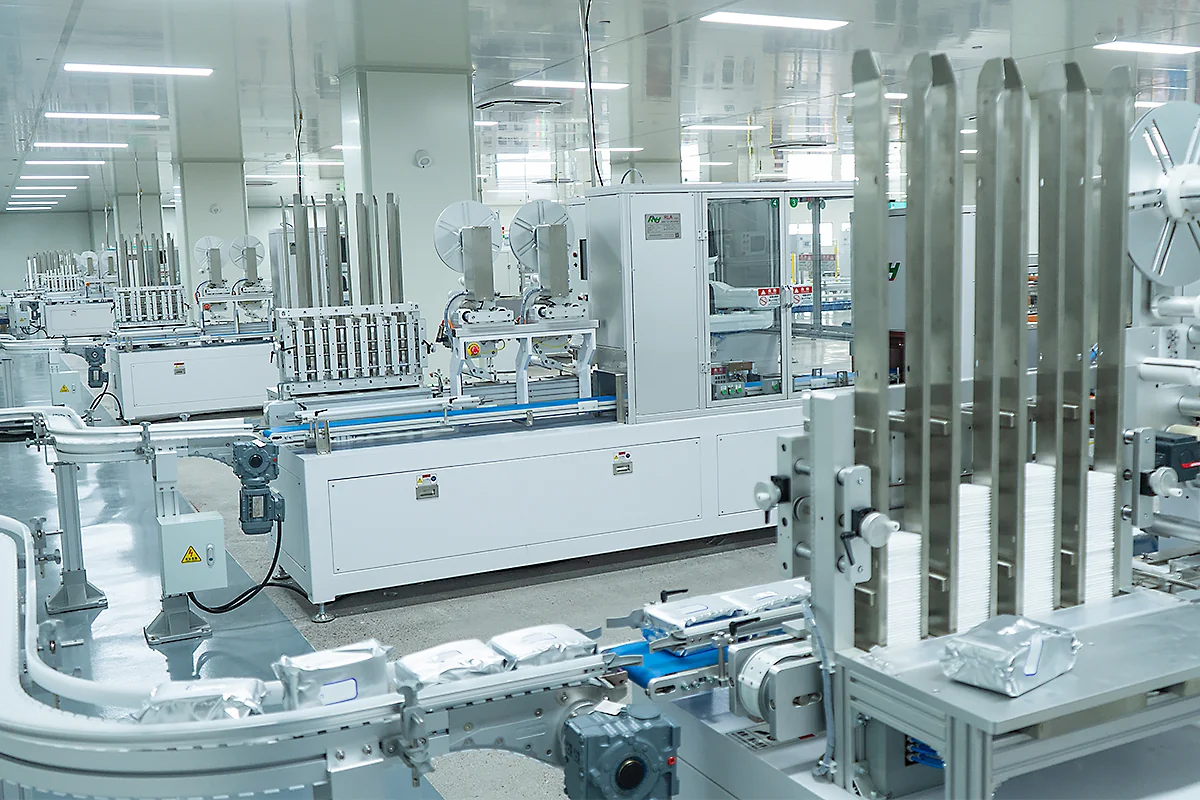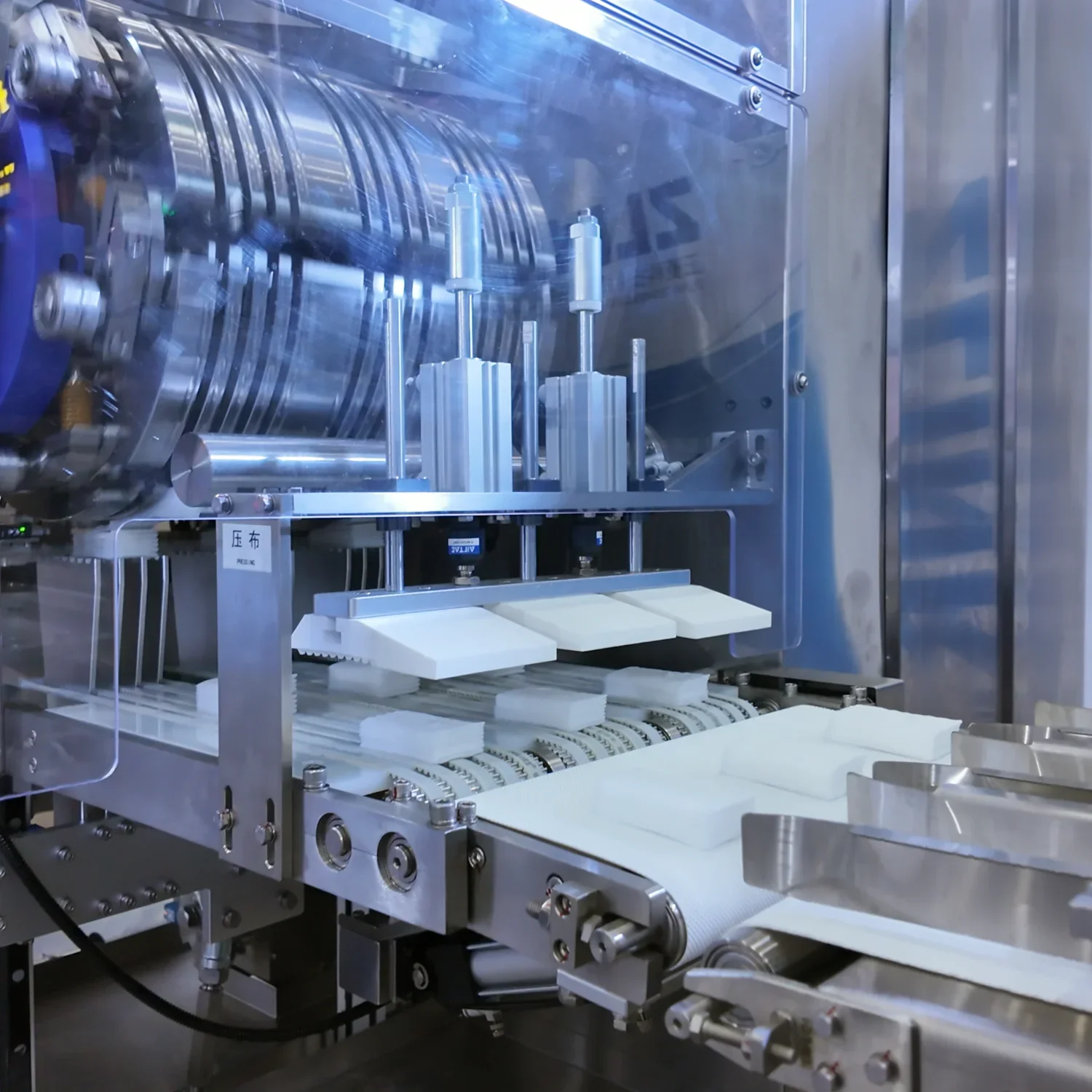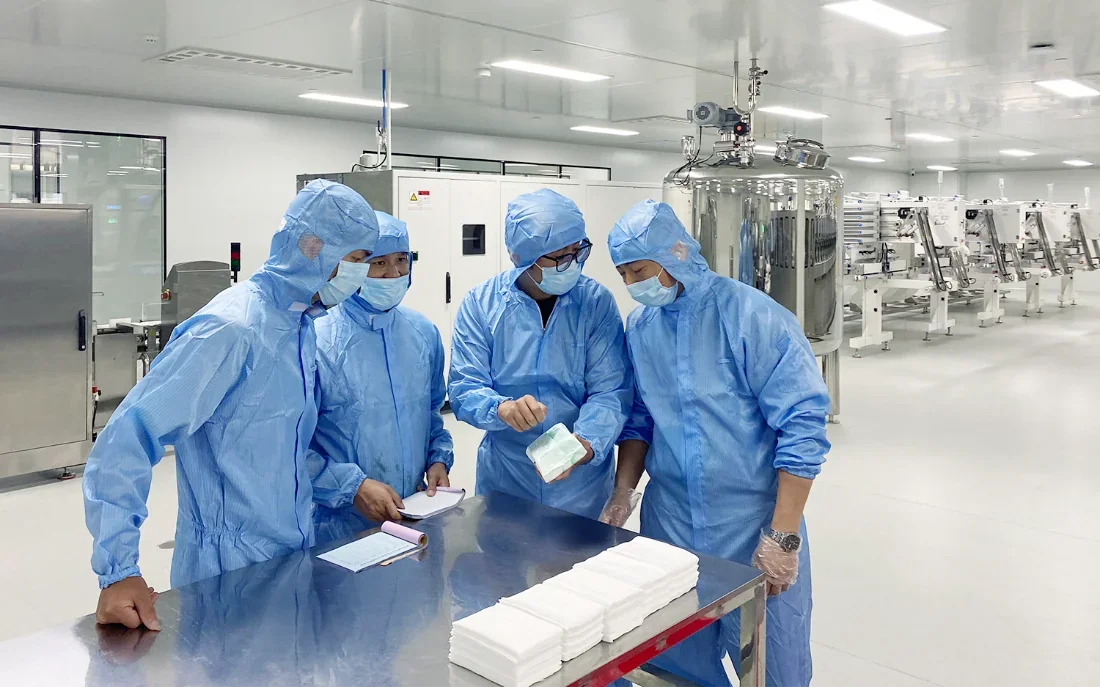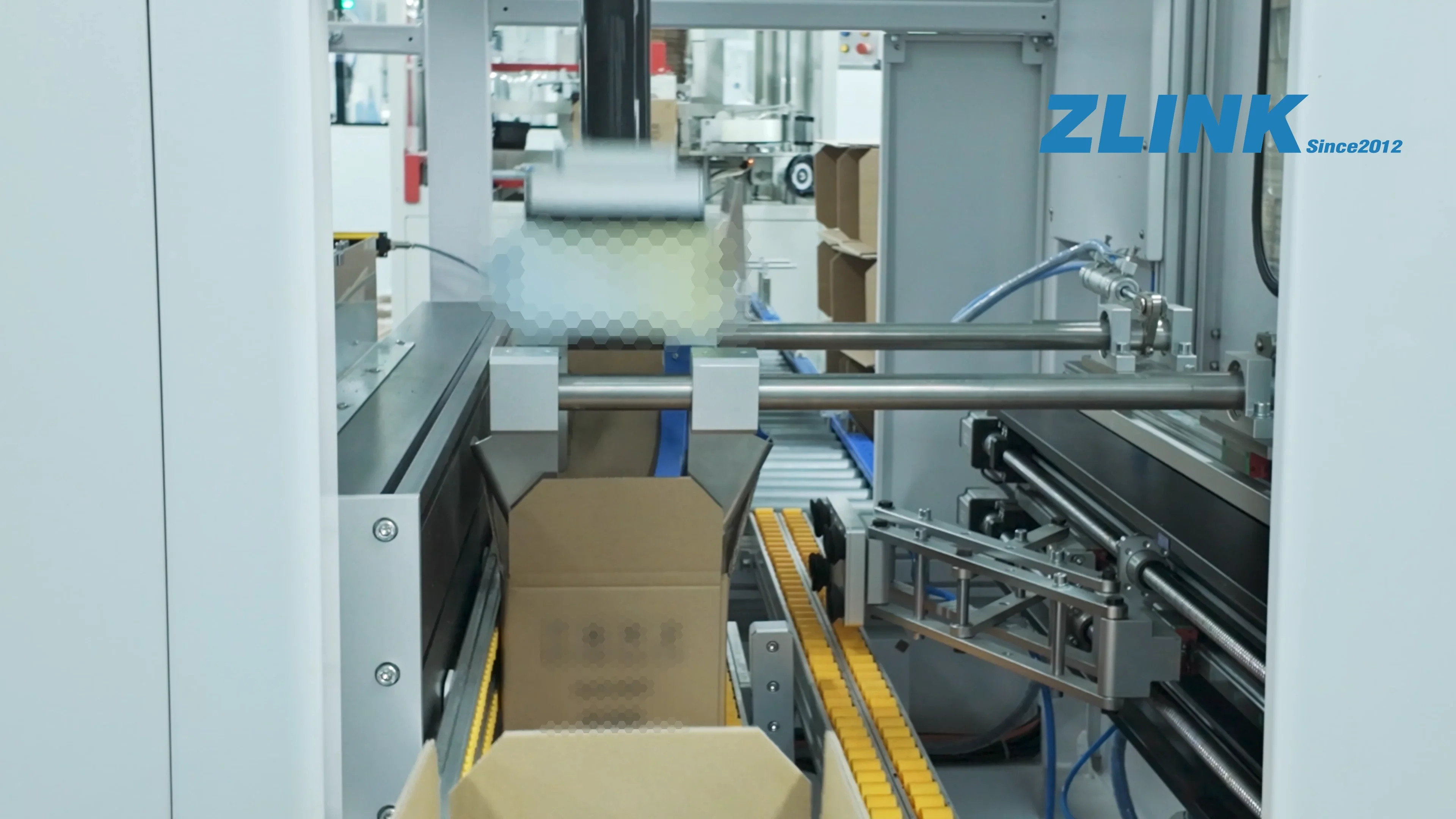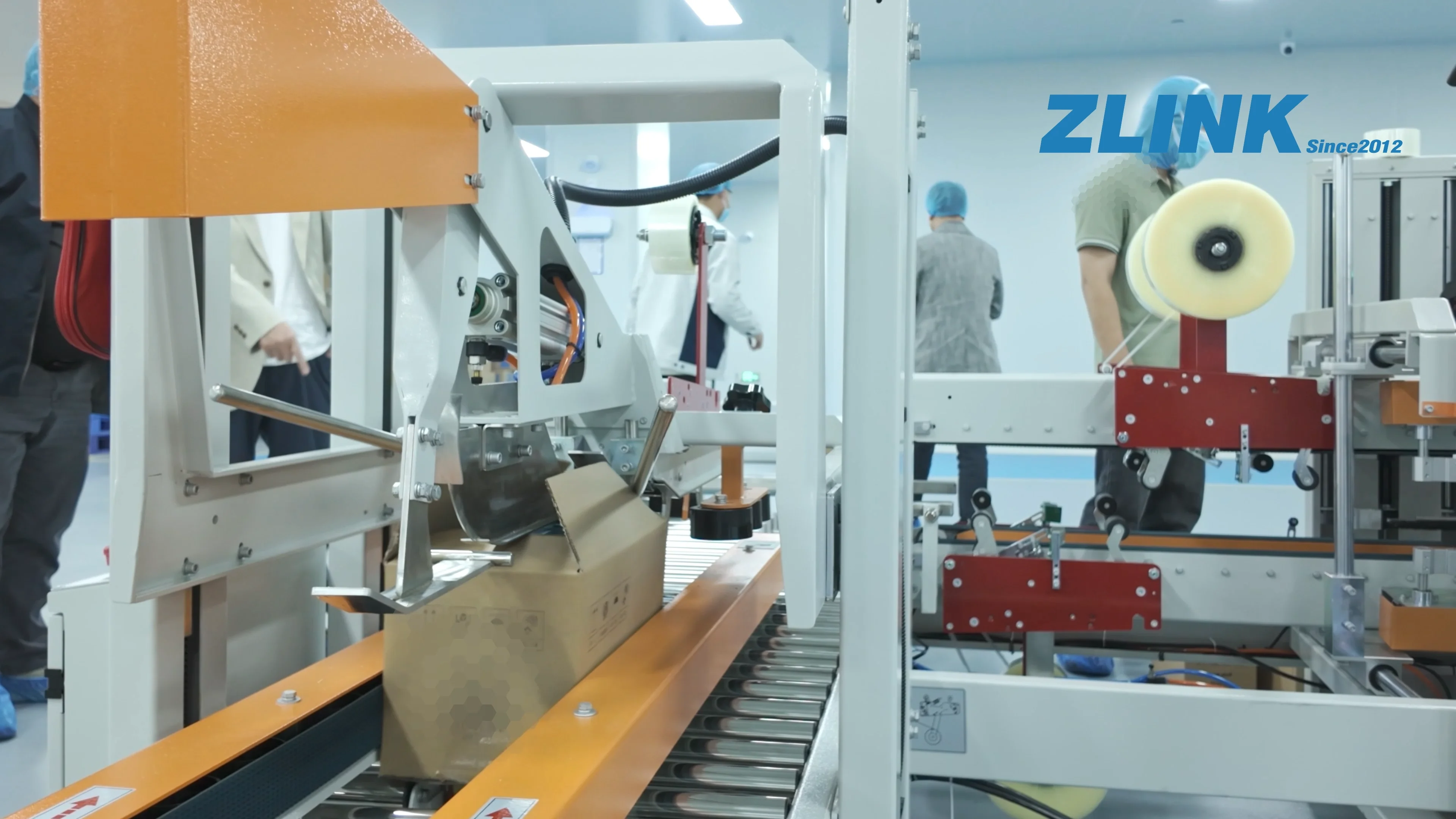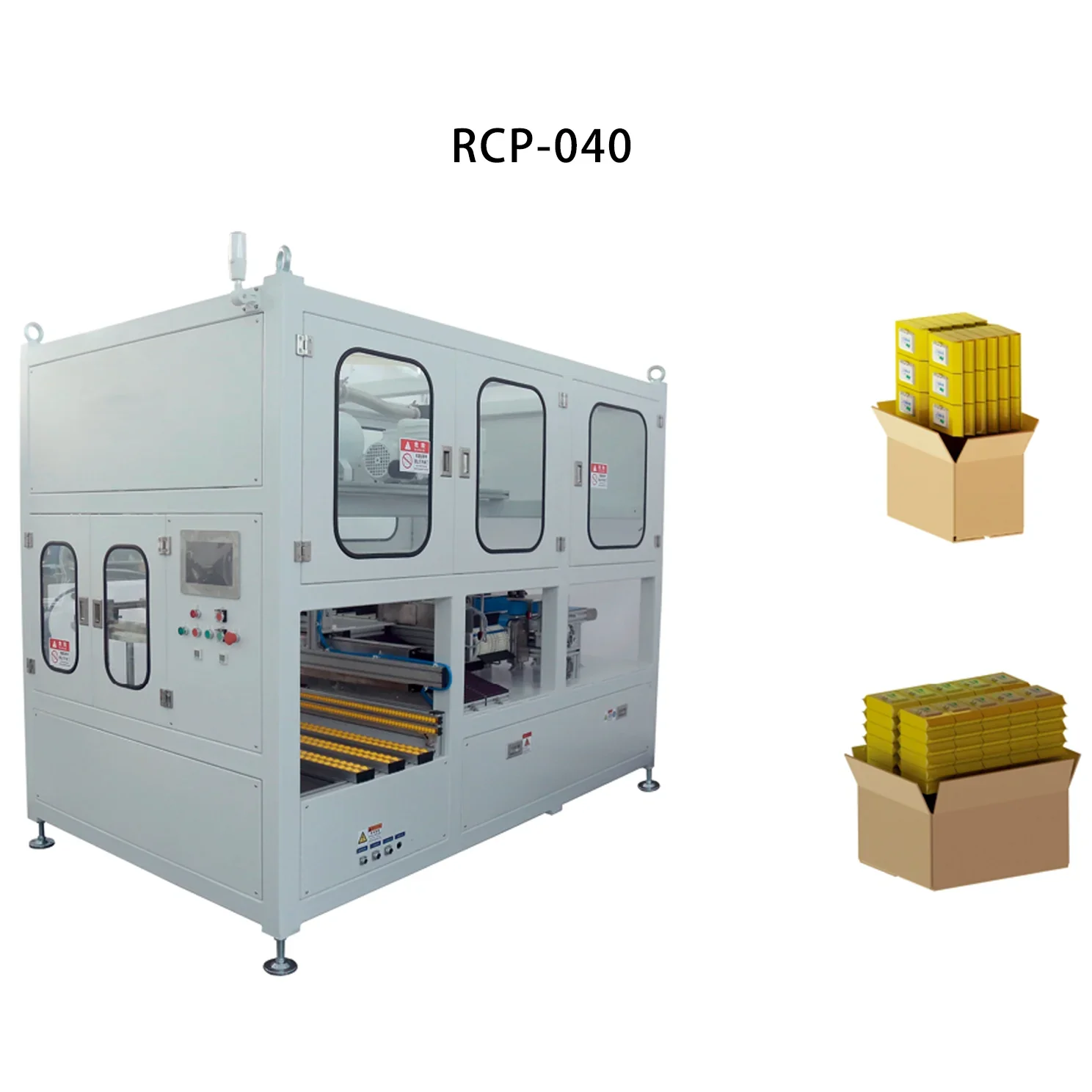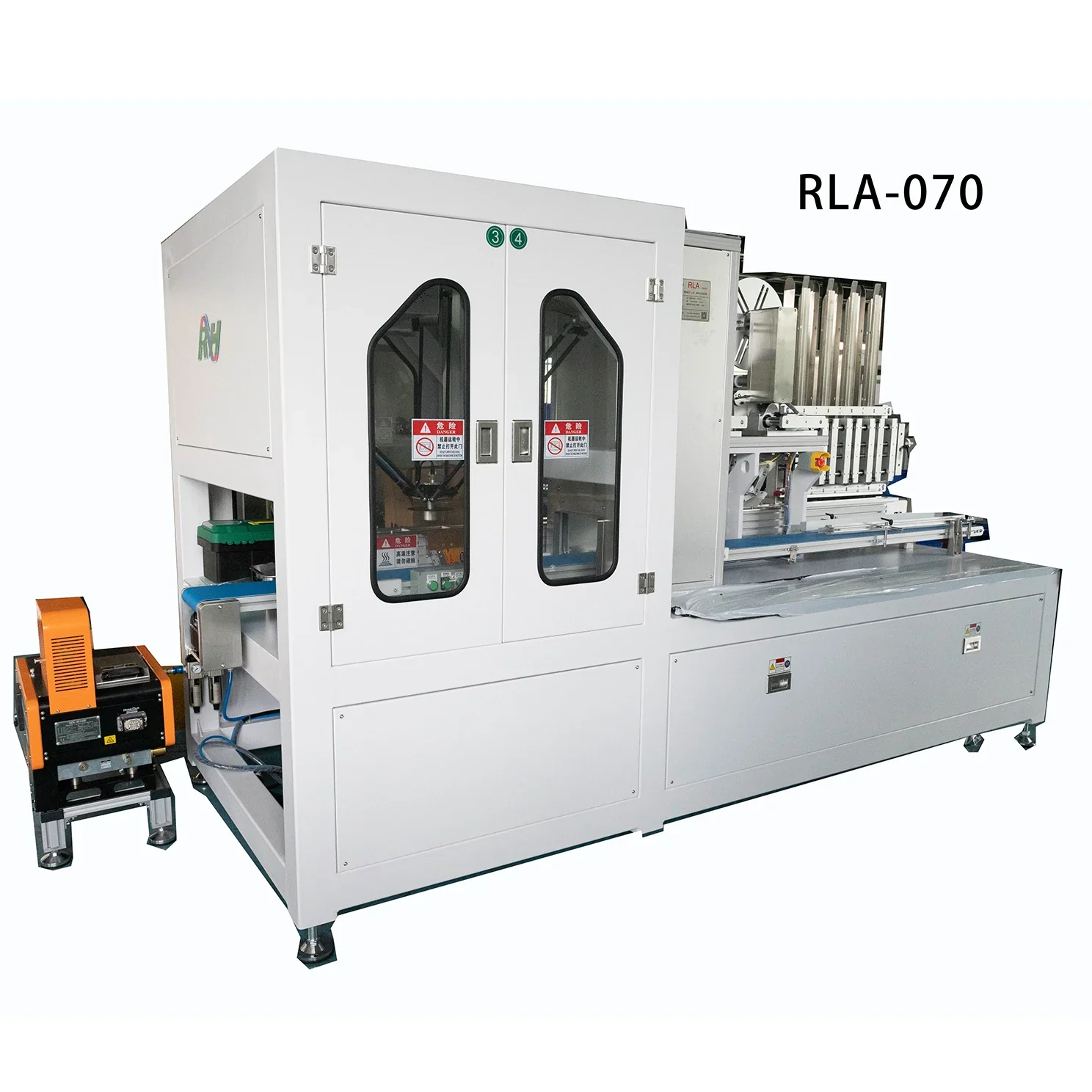







ZLINK focuses on wet wipes packaging equipment integration for industrial production lines. In our projects we evaluate how an automatic case packer supports secondary packaging of flexible pouches in daily operation. From a practical view, operators in wet wipes factories care about stability, handling consistency, and material transfer between processes. ZLINK RCP-040 automatic case packer module can be integrated into wet wipes lines without changing existing upstream filling structure, which helps operators evaluate pouch flow and carton loading sequence more clearly during production planning. This setup also helps us observe practical packaging behavior in real factory environments during routine operation.
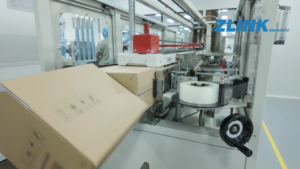
Flexible Pouch Handling in Cartoning
Flexible pouch formats require controlled transfer from conveyor to case loading area, especially when production speed changes across different shifts. In this stage, an automatic case packer is evaluated for its ability to maintain alignment when receiving soft pouches. We observe that stable gripping and timing control reduce unnecessary manual correction during carton insertion steps. Operators in wet wipes factories often adjust machine parameters based on pouch thickness and sealing material differences. We also review integration between case packing and upstream filling to ensure the packaging flow remains consistent in practical operation. Such coordination supports factories when handling mixed product formats without changing the core cartoning structure during daily runs. We focus on practical adjustments rather than theoretical descriptions in line setup discussions with operators.
Production Line Coordination
In wet wipes manufacturing systems, coordination between forming, filling, and packaging stages affects overall workflow stability. We also reference full automatic wet tissue machine manufacturers China when aligning upstream equipment design with downstream packaging requirements. This coordination helps reduce mismatch between production speed and packaging capacity in daily operations. We also evaluate mechanical timing synchronization in case loading and sealing processes. These adjustments are based on feedback collected from operators working on wet wipes production lines. We integrate these observations into equipment layout planning to support stable packaging flow across different factory conditions. Practical testing in production environments remains an important part of our evaluation process. We continuously adjust parameters based on line performance data review cycles.
Conclusion
We summarize observations from wet wipes packaging projects where end-of-line packing and upstream forming are evaluated together. The automatic case packer is used in carton loading stages to organize pouch grouping before sealing steps. We also refer to full automatic wet tissue machine manufacturers China when reviewing upstream system compatibility in integrated lines. ZLINK connects these processes to support stable workflow design across wet wipes production environments. We also consider operator handling and maintenance routines during long term use in factories. These practices help maintain consistent packaging flow without changing core machine layout. We focus on practical integration between systems rather than isolated equipment performance review.