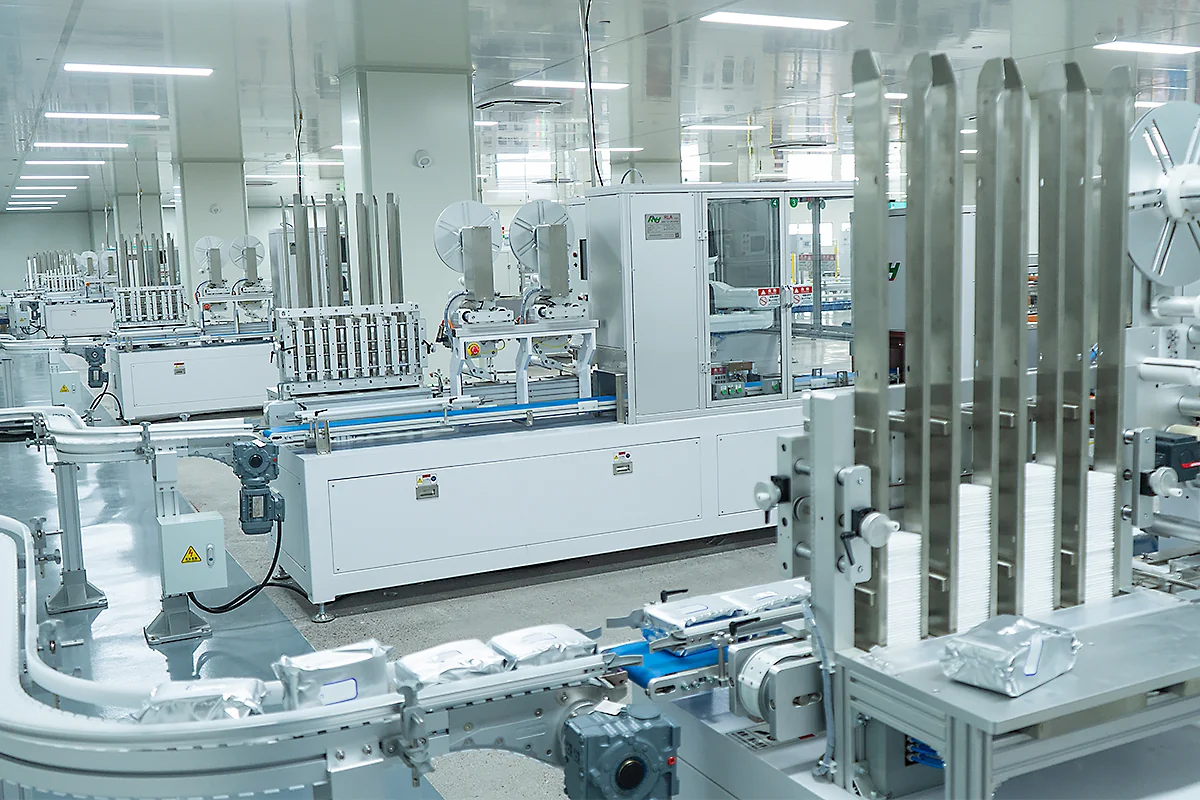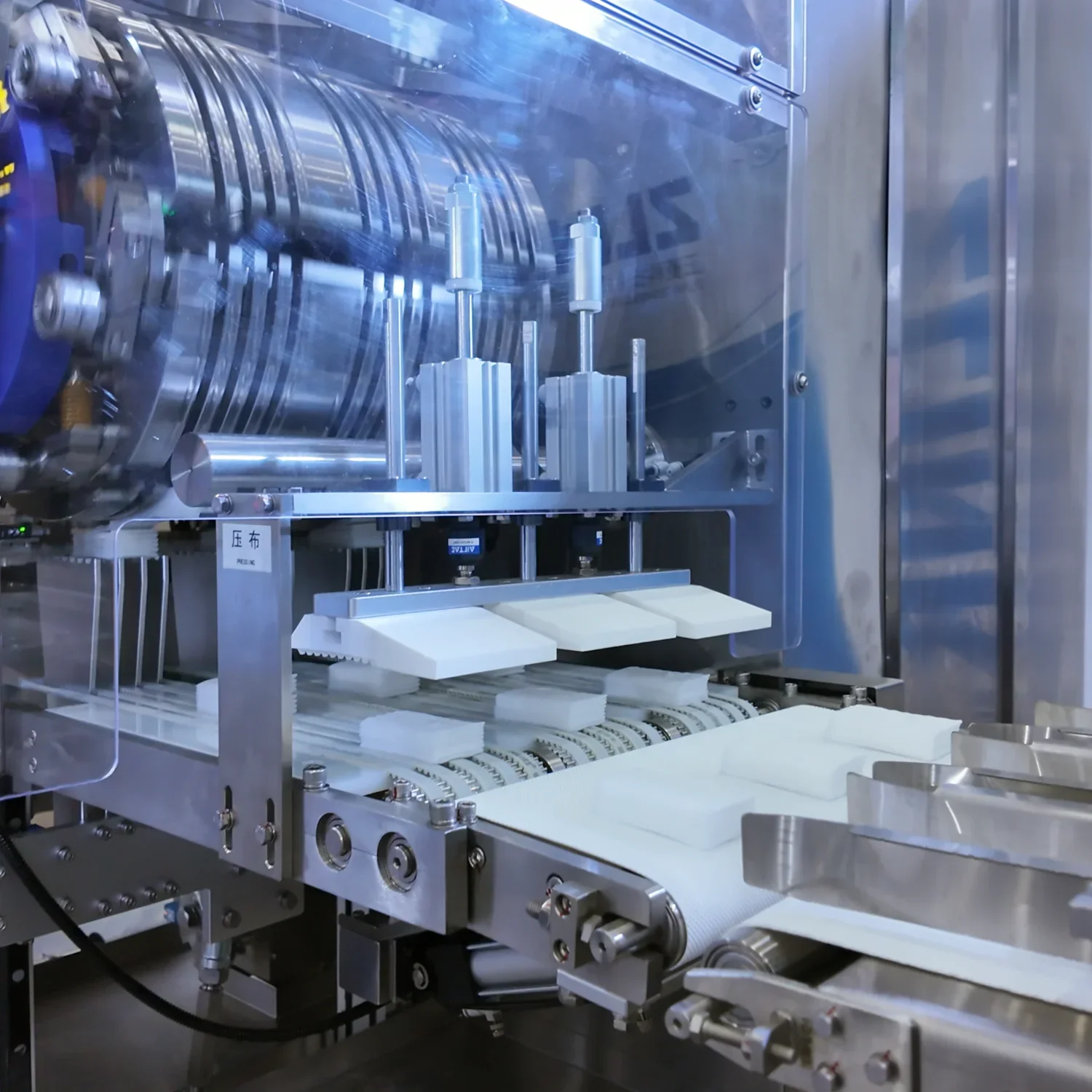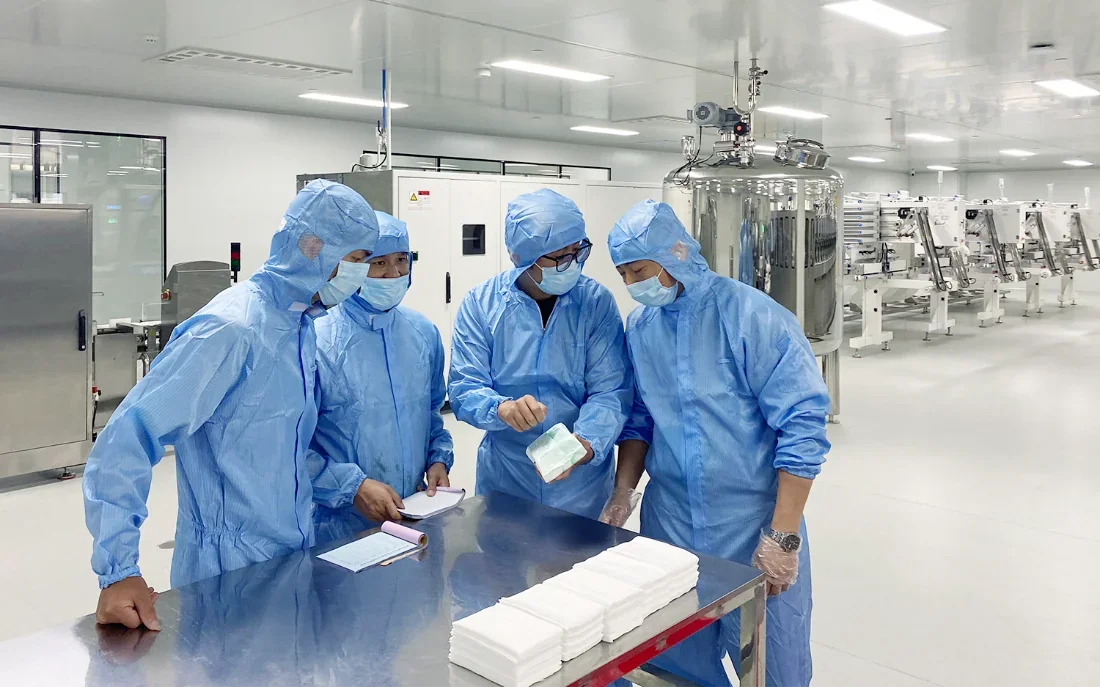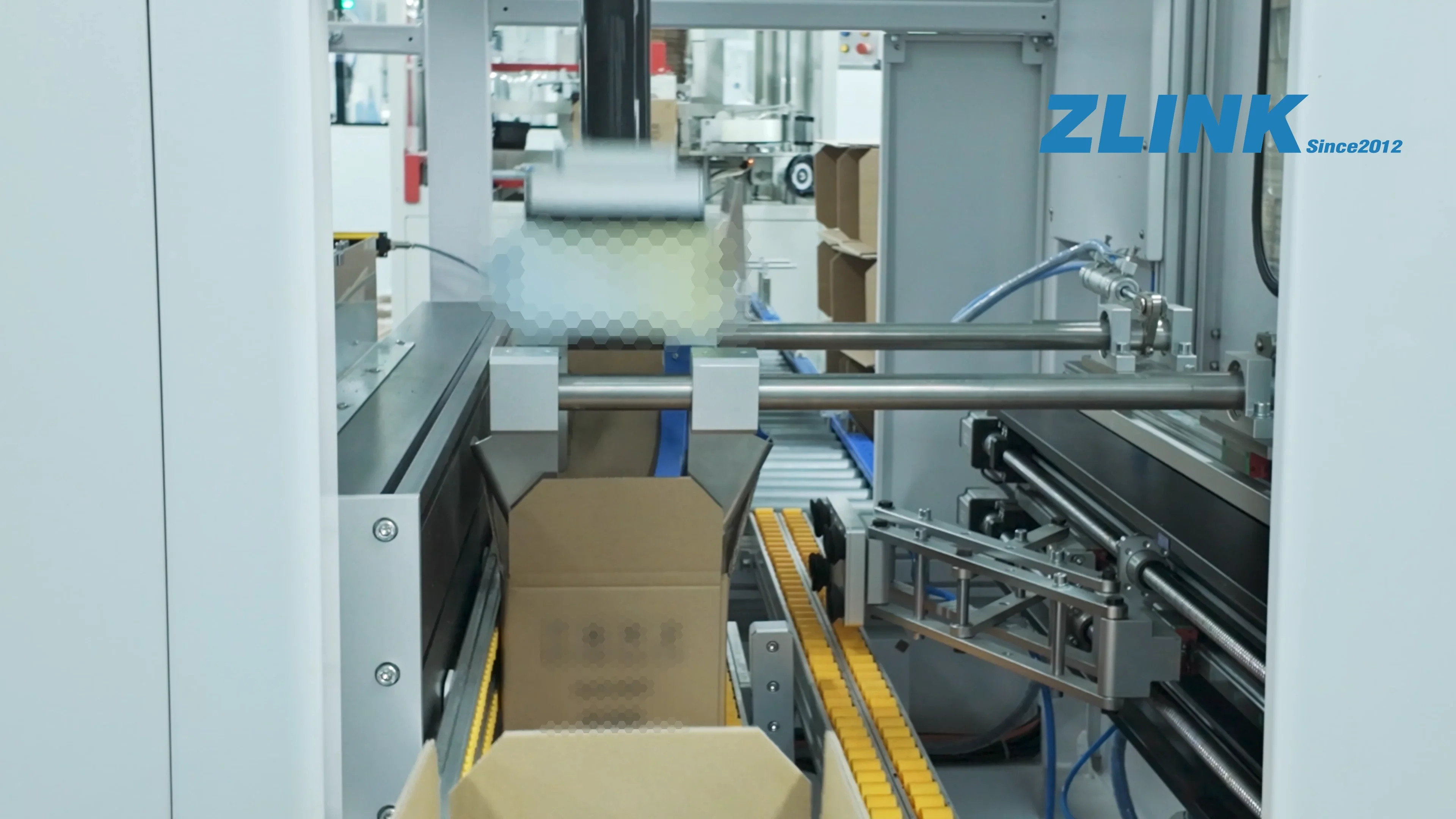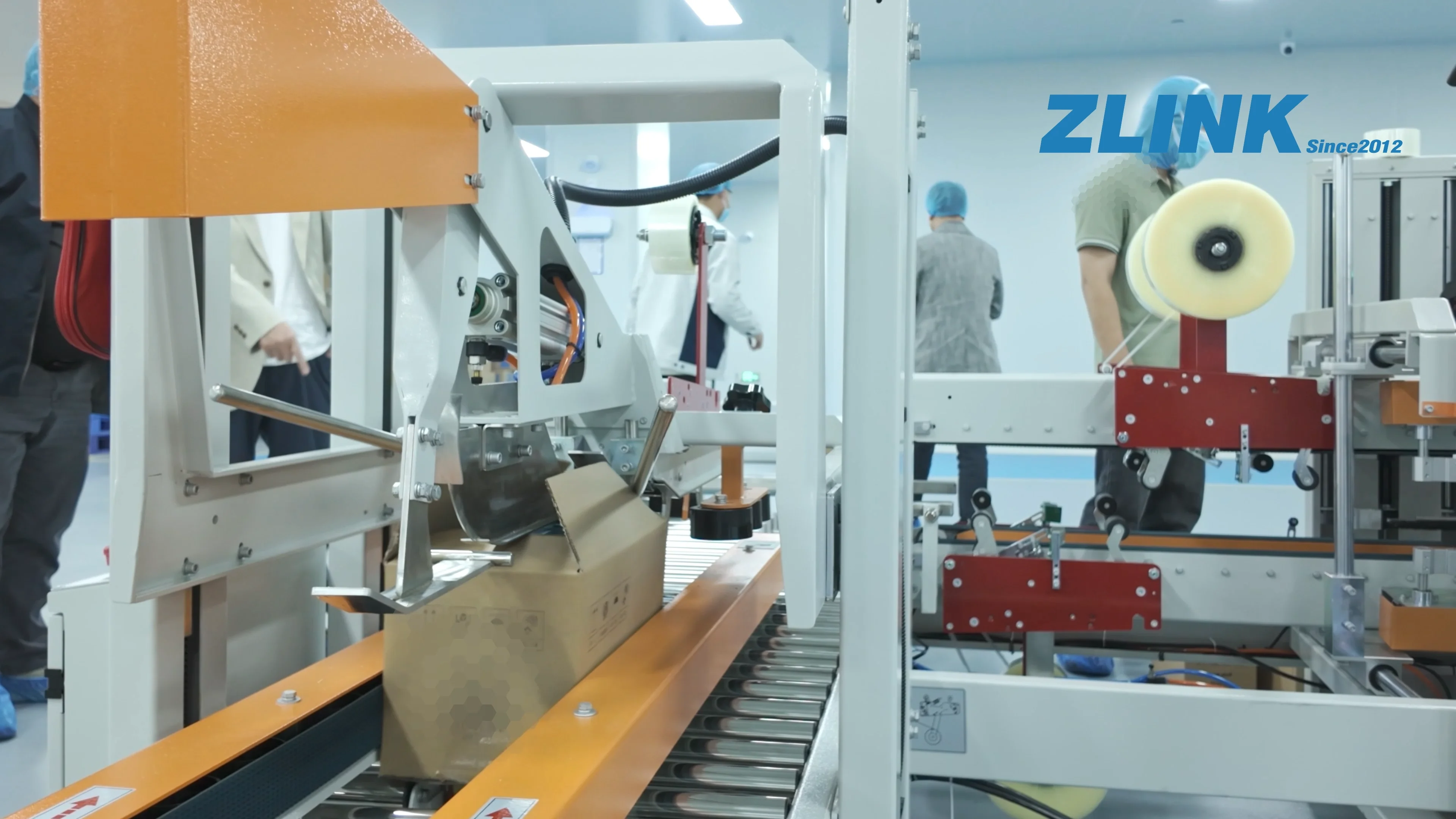







In wet wipes production environments, servo-based coordination is often introduced to stabilize interaction between forming and packaging stages. In our engineering observations at ZLINK, an automatic case packer is typically positioned downstream to handle carton loading and reduce manual intervention. When integrated with a high speed wet tissue machine, the overall line requires consistent timing control to avoid accumulation or idle transfer. Servo control provides a systematic method to manage transitions by regulating motion signals across modules. This helps operators maintain predictable flow during production changes and supports smoother adaptation to different packaging formats without frequent mechanical adjustments.
Motion Stability in Packaging Operations
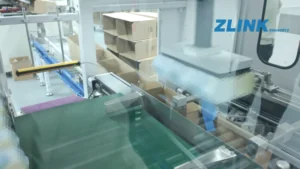
In our experience at ZLINK, servo control inside an automatic case packer improves motion stability by managing acceleration and deceleration in each packaging cycle. Instead of relying on fixed mechanical timing, servo drives allow adjustable profiles that match carton size and product arrangement. This reduces mechanical impact during pick-and-place operations and helps maintain alignment between feeding and sealing units. Operators can fine-tune parameters based on production requirements, which is especially useful when switching between different wet wipe specifications. The system also reduces unnecessary downtime caused by manual recalibration, making routine operation more consistent across shifts in industrial production environments.
Line Synchronization in Wet Wipes Manufacturing
From a system integration perspective, ZLINK often evaluates synchronization between upstream and downstream equipment to ensure stable throughput. In a high speed wet tissue machine china, forming, folding, and cutting processes operate continuously, which requires precise coordination with downstream packaging equipment. Servo control supports this requirement by transmitting timing signals that align product delivery with packaging readiness. This reduces the risk of buffer congestion and helps maintain balanced material flow. Engineers can monitor sensor feedback and adjust transfer timing to keep production stable even when output speed changes under different operational demands in factory settings.
Conclusion: Coordinated Control Across Packaging Systems
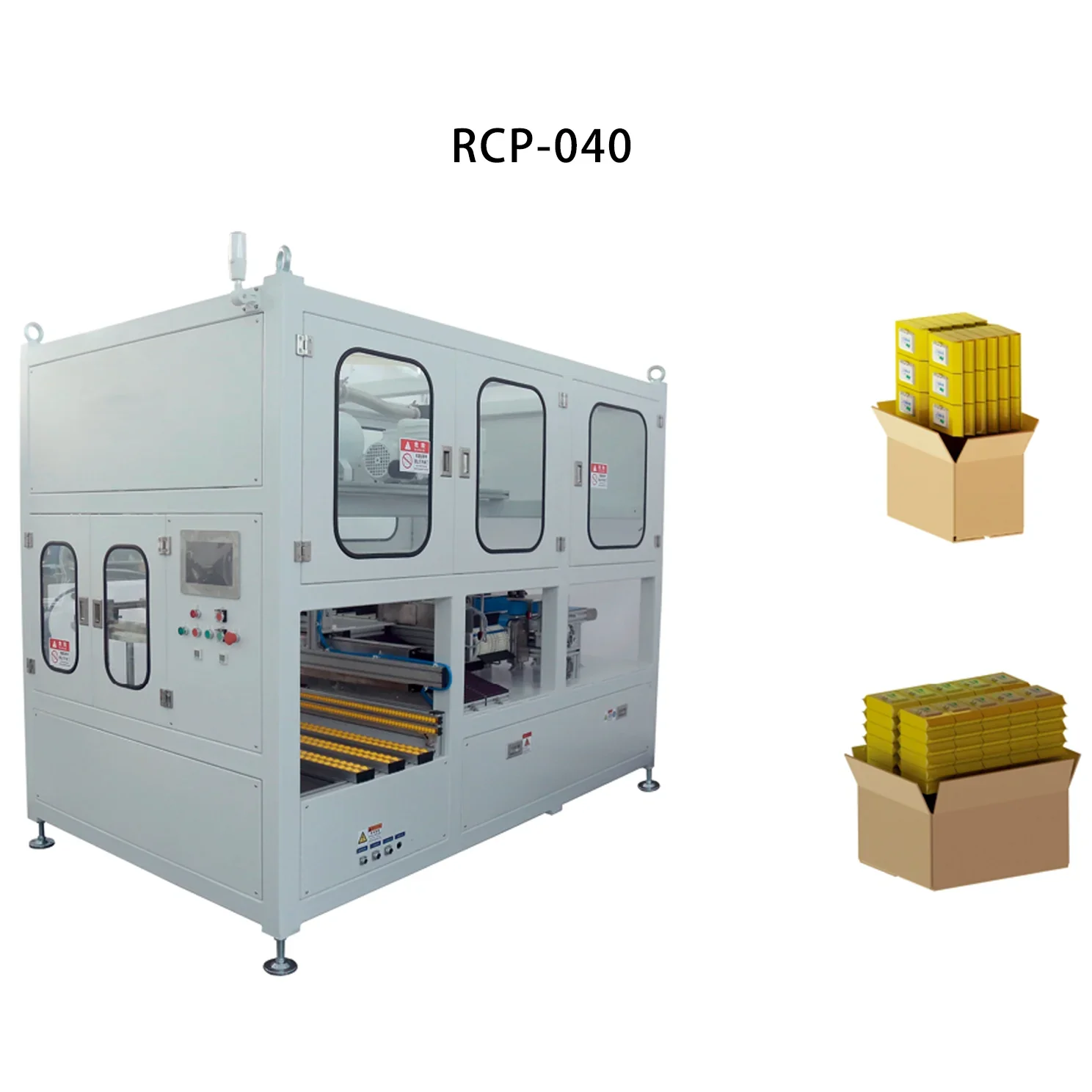
Overall, servo control contributes to more structured coordination across wet wipes production lines by improving timing accuracy and reducing dependency on manual adjustments. In an automatic case packer, it allows flexible motion control that adapts to different carton configurations while maintaining stable operation. When combined with a high speed wet tissue machine china, the entire production chain benefits from synchronized movement between forming and packaging stages. ZLINK integrates this approach in its RCP-040 automatic case packer to support practical industrial requirements. This configuration helps production teams maintain consistent workflow without introducing unnecessary complexity into existing systems.