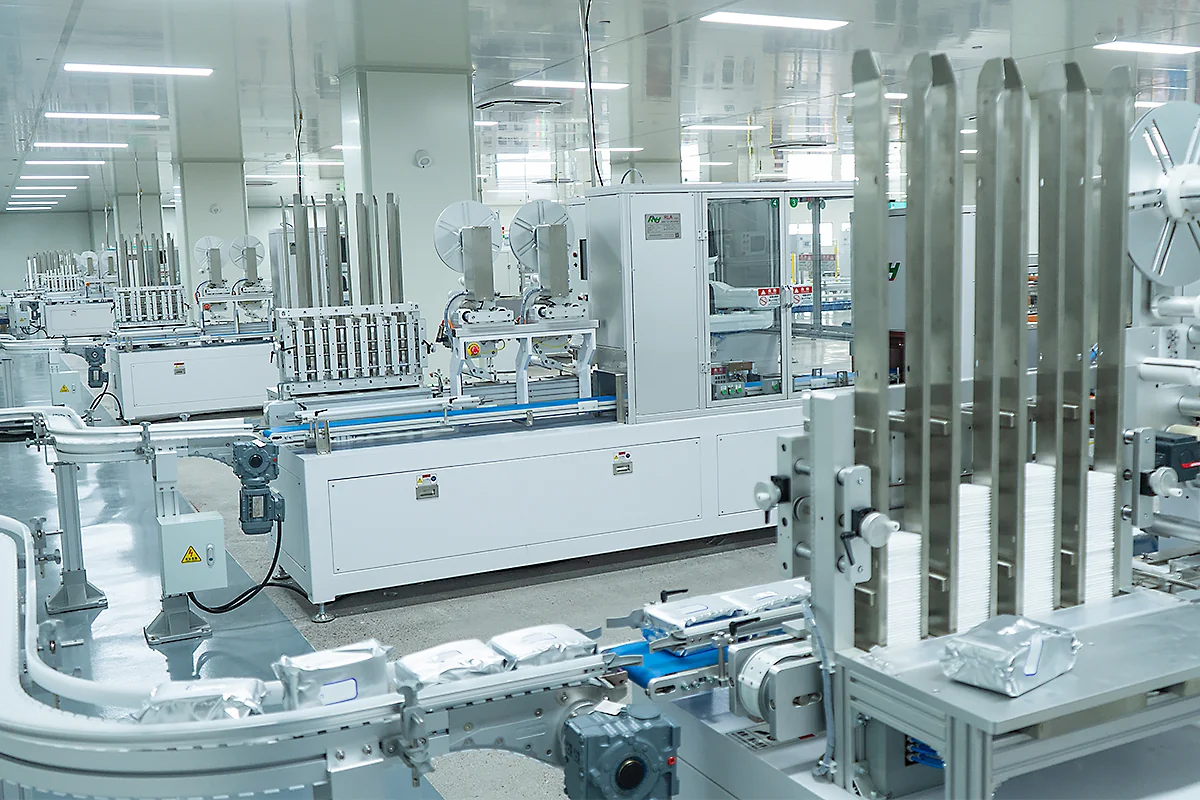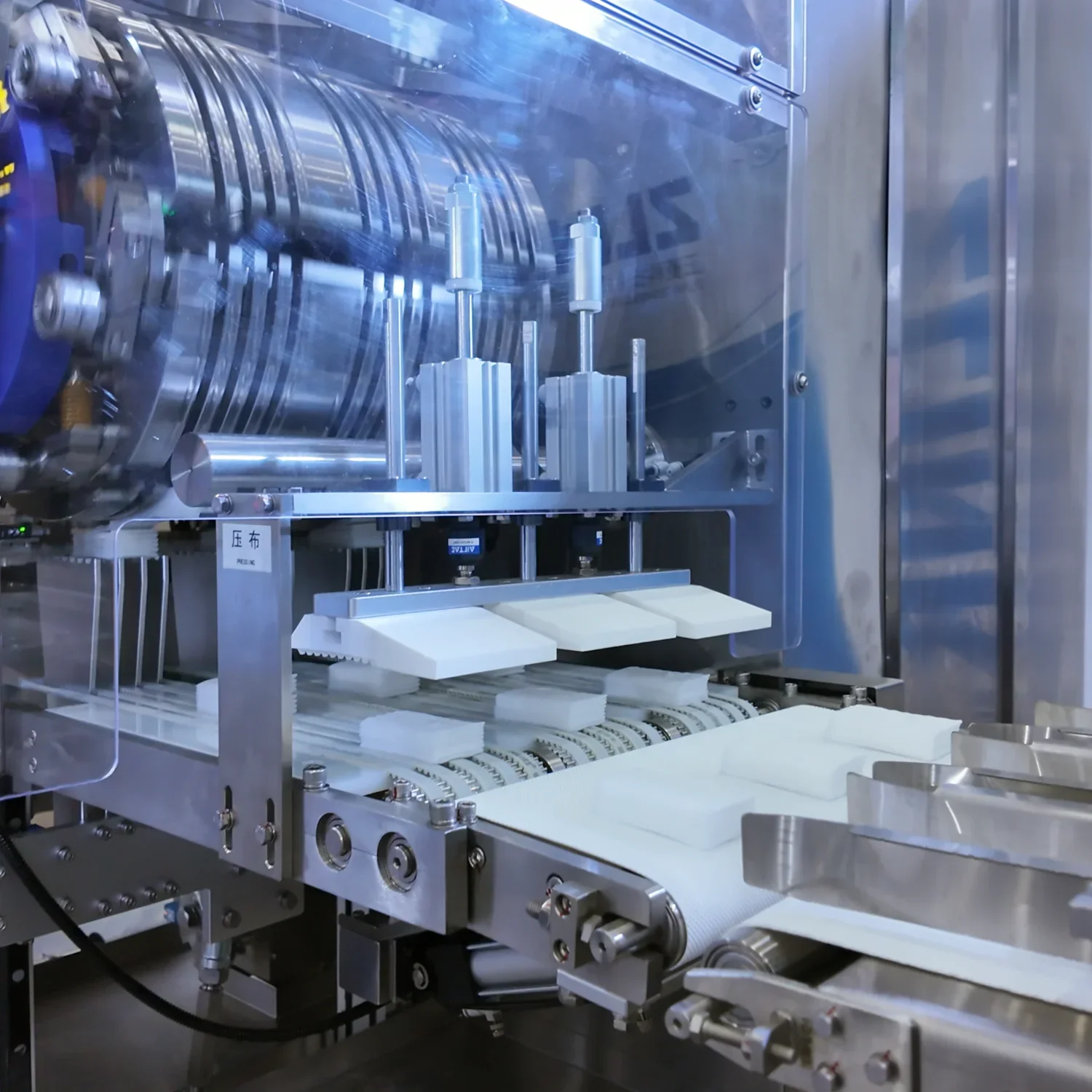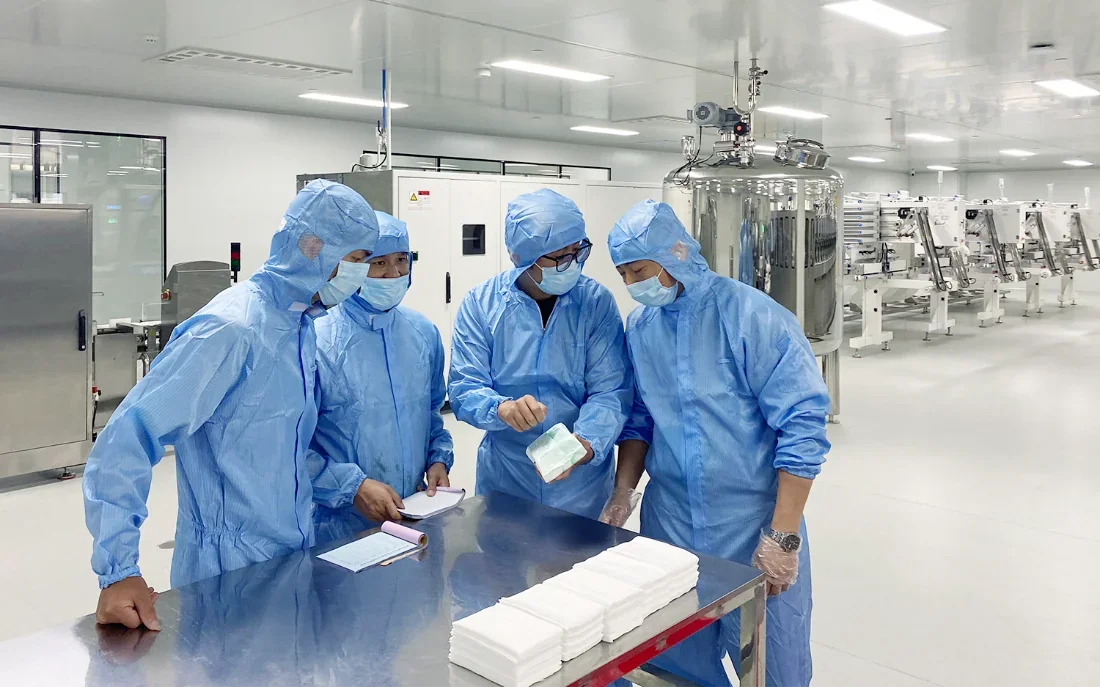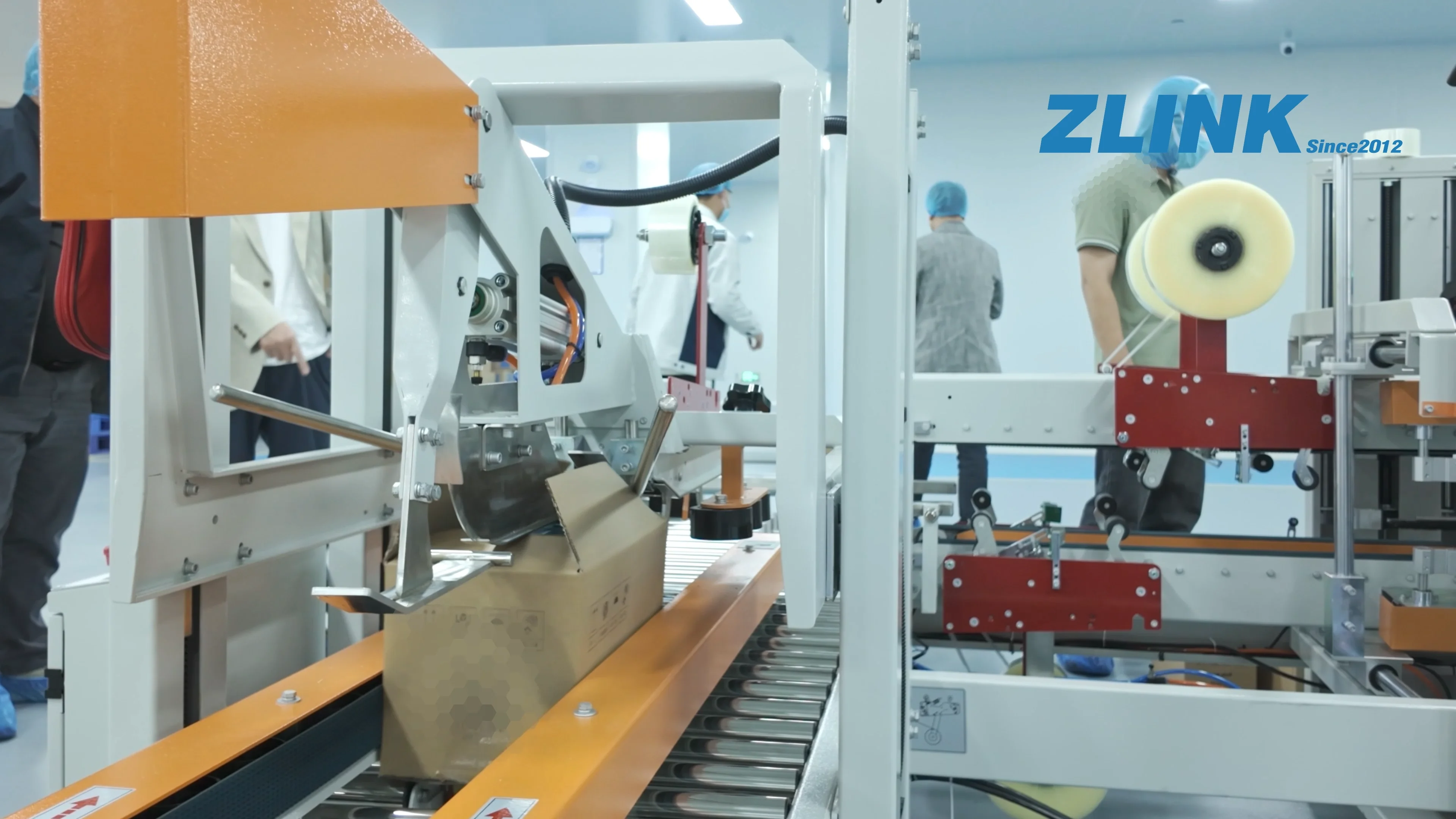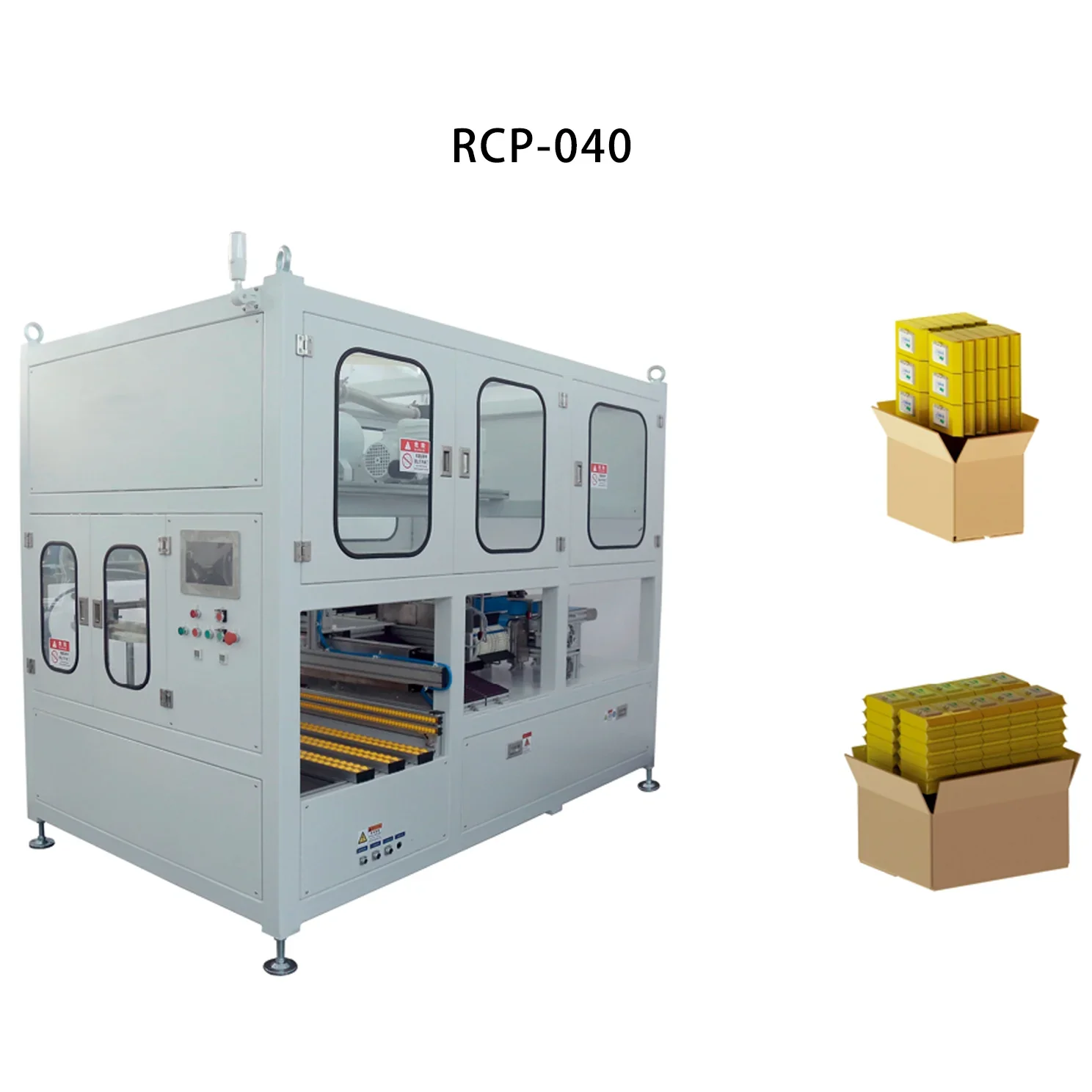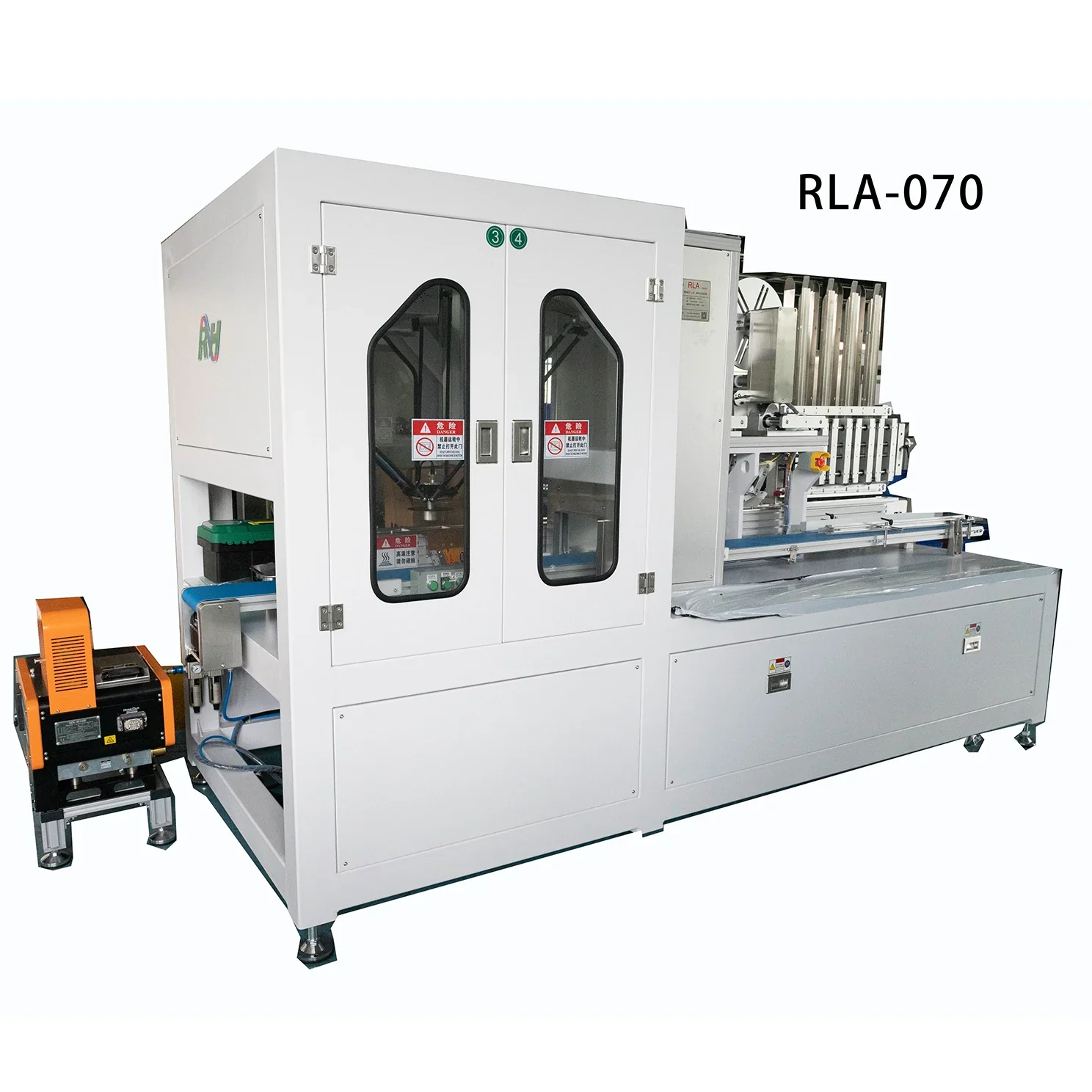








At ZLINK, we focus on how packaging and production systems connect in wet wipes manufacturing. Many clients in the hygiene sector often ask whether the automatic case packer can support internal quality checks indirectly when integrated with sensors or external inspection systems. In our experience, the answer depends on how the system is configured and integrated within the production line. As a wet tissue making machine supplier, we work with factory teams to ensure each stage from forming to packing remains stable and traceable. This approach helps operators understand where inspections can be applied without interrupting normal output flow.
Inspection inside packaging workflow
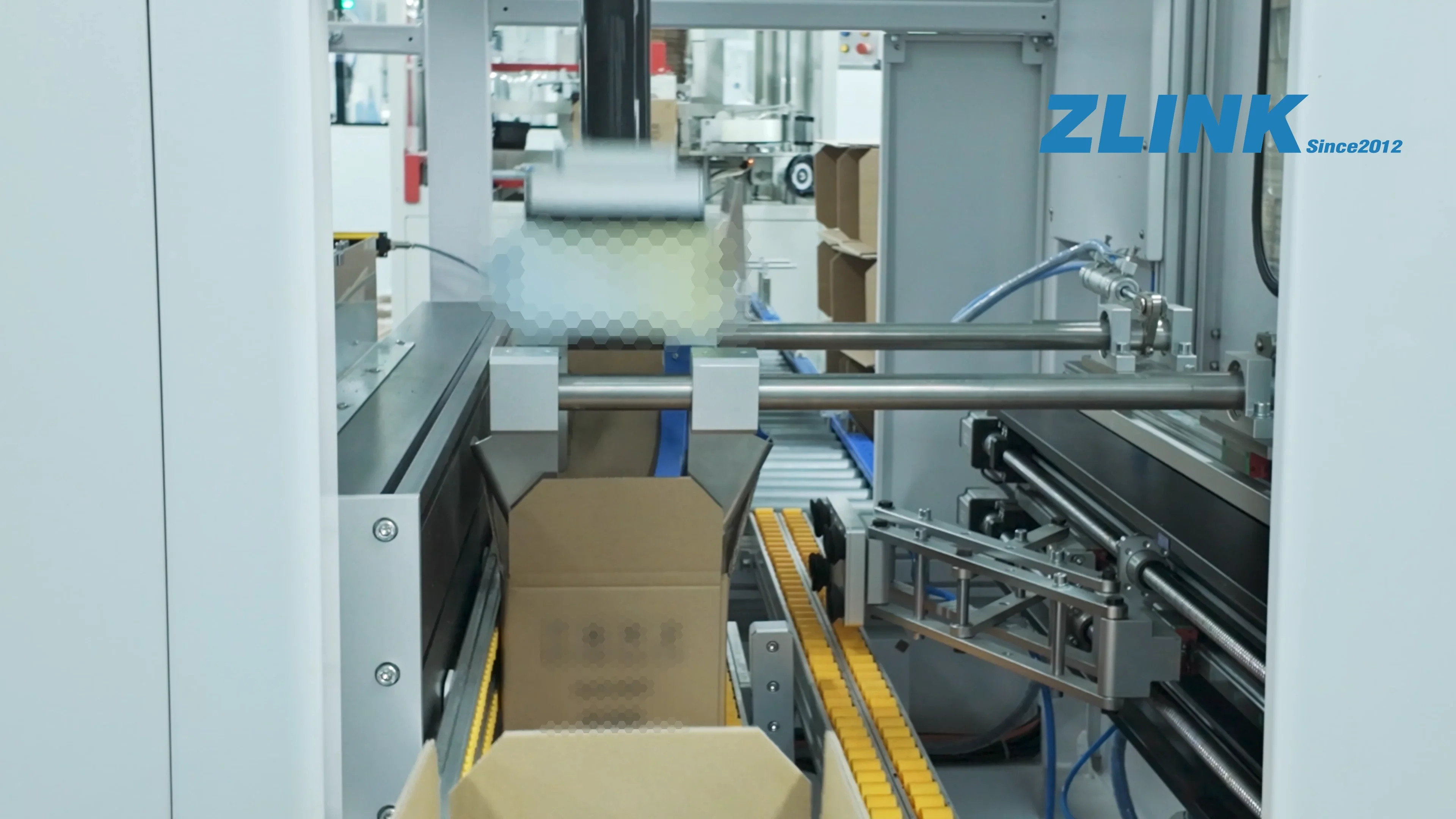
Within many wet wipe production lines, the automatic case packer is typically positioned after primary packing stages, where it groups and seals finished units into cartons. We design ZLINK systems with attention to how inspection points can be placed around this stage, allowing operators to verify carton alignment, sealing quality, and label consistency. Although an automatic case packer is not a standalone inspection device, it can support external quality control steps when paired with sensors or manual checkpoints. This structure helps factories maintain stable output while still observing key packaging conditions without slowing down the overall process flow. It also reflects practical considerations in hygiene manufacturing environments. We often evaluate integration options based on line speed and operator workflow requirements without introducing unnecessary complexity in daily operations for production teams.
Role in production line integration
In production line planning, we often consider how upstream wet wipe forming and downstream packaging interact as a single workflow. ZLINK equipment design emphasizes coordination between machines so that material flow remains consistent and easy to monitor. As a wet tissue making machine supplier, we understand that factories require predictable transitions between production stages, especially when dealing with different packaging formats and batch sizes. In such setups, the system layout is evaluated not only for speed but also for maintenance access and inspection convenience. This perspective allows teams to make adjustments based on real operating conditions rather than theoretical assumptions. We also review feedback from operators during routine production checks. This helps us refine integration decisions across different facility requirements without changing core process stability or product consistency in practice.
Conclusion
We conclude that quality-related functions in packaging systems are usually achieved through coordinated design rather than relying on a single machine to perform inspection tasks independently. In our projects at ZLINK, we observe that the automatic case packer can support quality assurance indirectly when it is integrated with sensors, workflow checks, and operator routines. At the same time, our experience as a wet tissue making machine supplier shows that upstream stability has a strong influence on final packaging consistency. By viewing the production line as a connected system, we help teams make practical decisions that fit their operational needs in hygiene manufacturing environments with steady process understanding across facilities today.