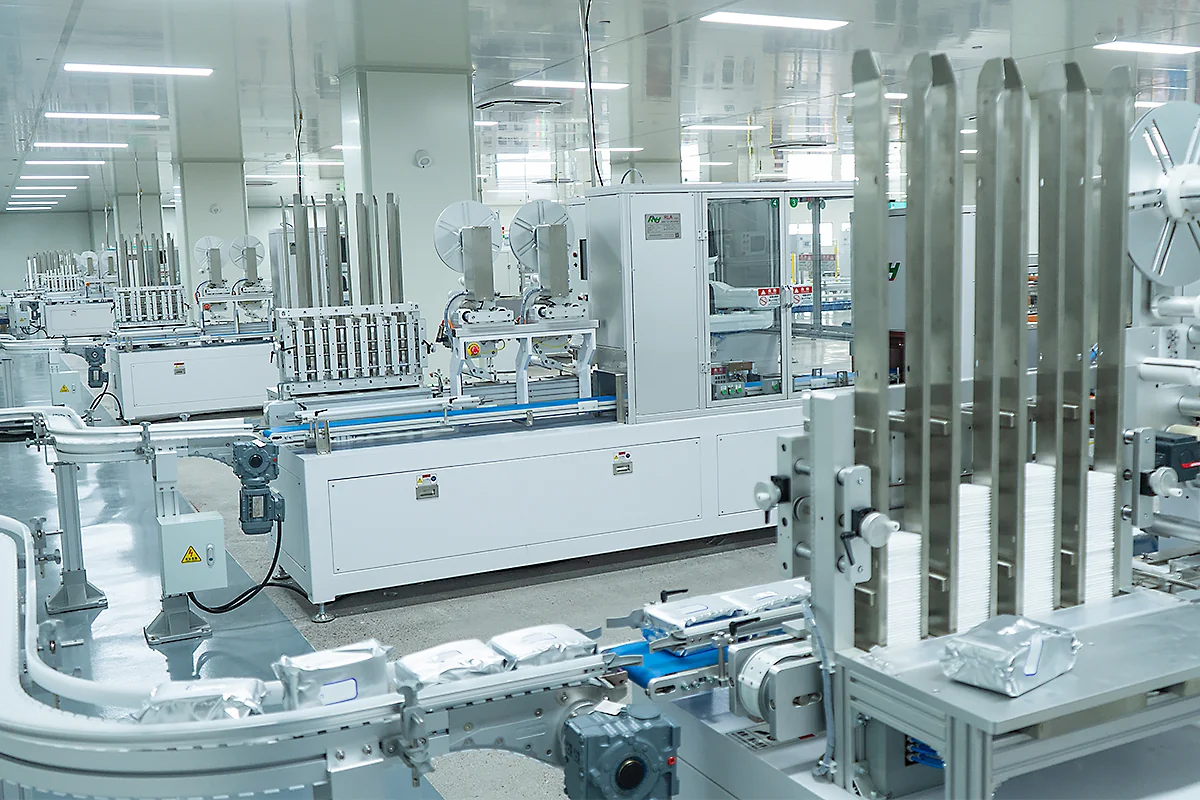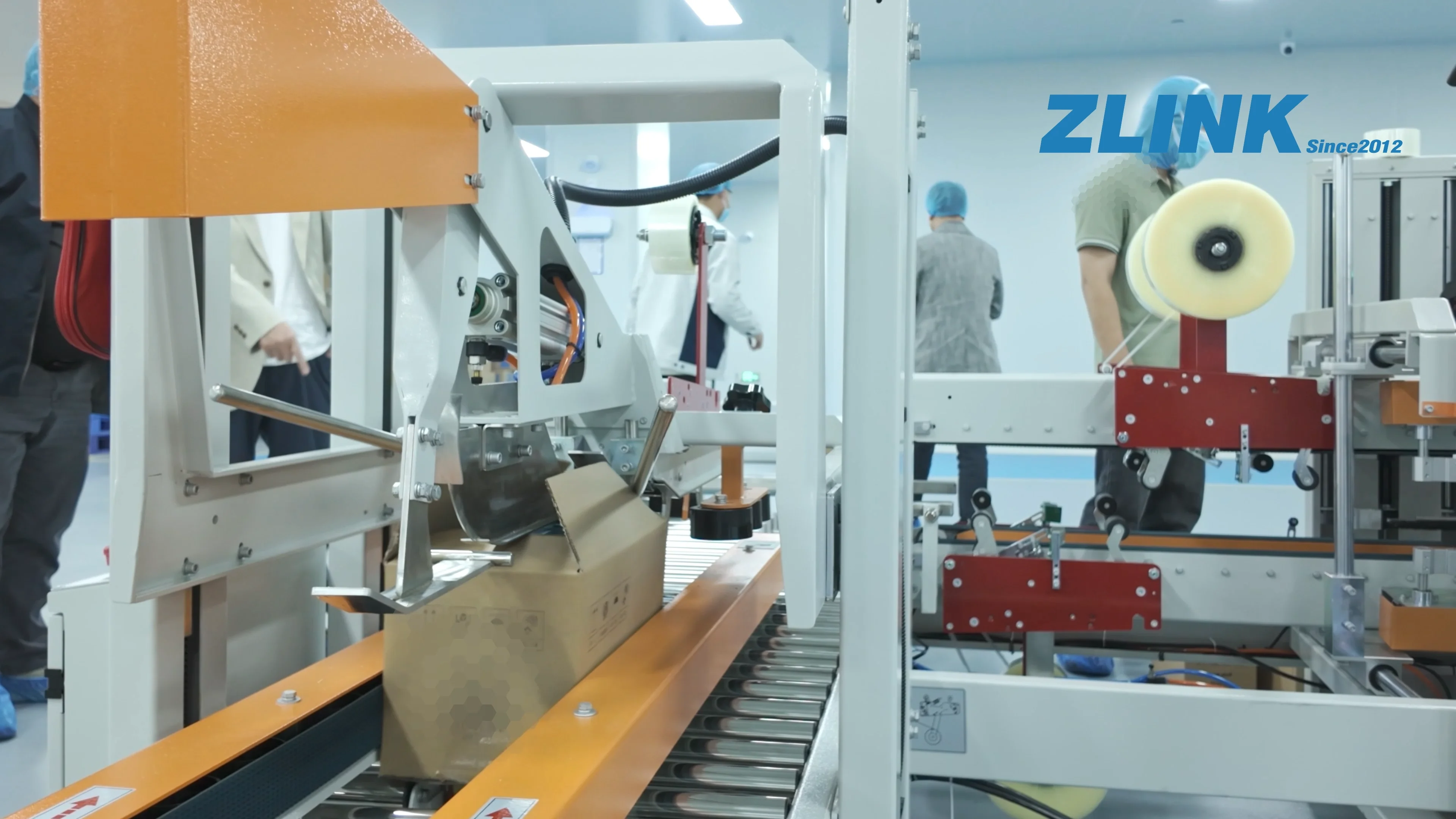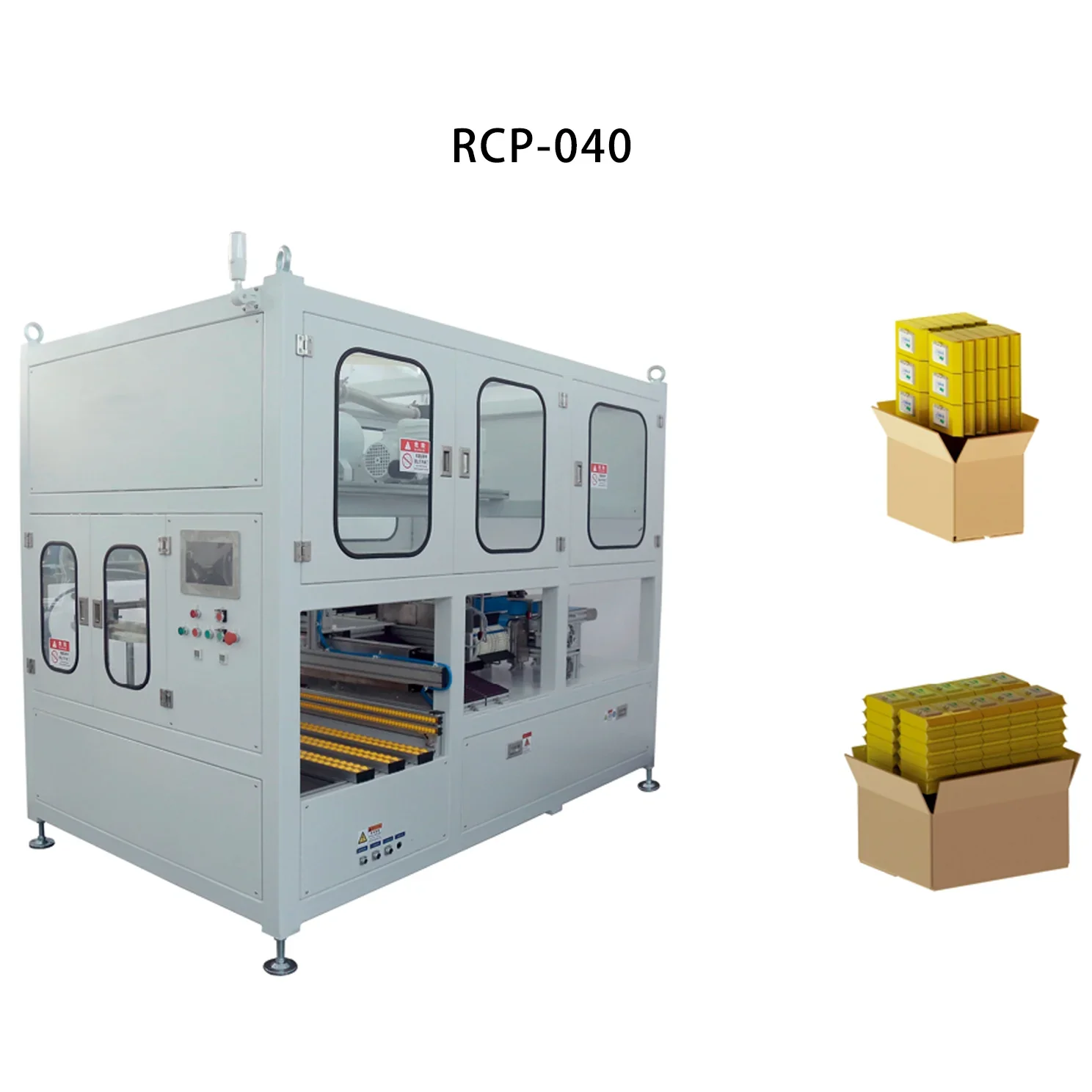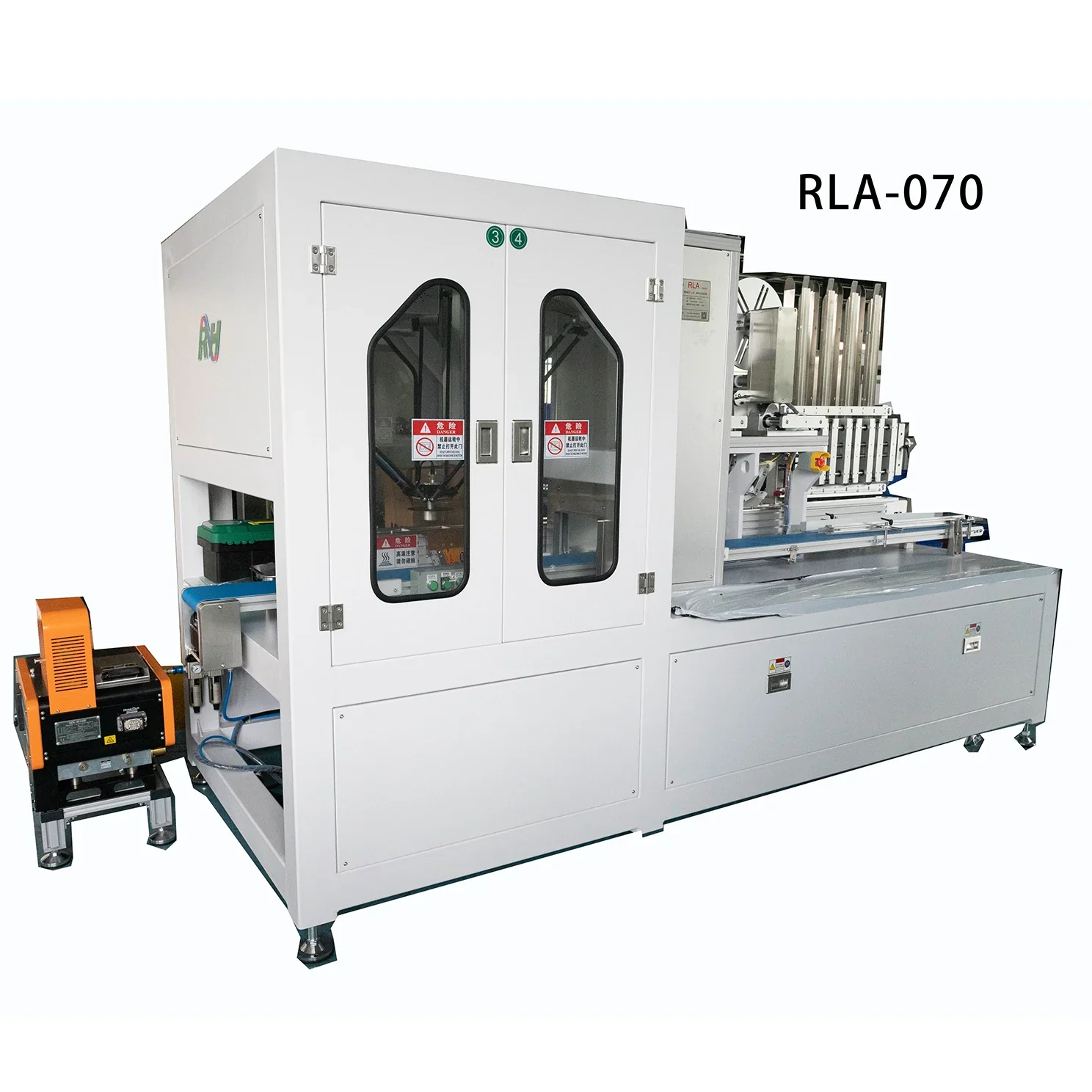








Demand changes in hygiene manufacturing often raise a practical question about system flexibility. In wet wipe production planning, ZLINK focuses on helping factories understand how a wholesale wet wipe production line can adapt to different output requirements without redesigning the entire workflow. In many cases, a wholesale wet tissue manufacturing machine is evaluated together with the line configuration to determine how each stage can respond to variable demand while maintaining stable process coordination. Production planning in this sector often requires balancing throughput with available space and labor scheduling. Factories may also evaluate material handling flow to ensure consistent hygiene standards across different operating conditions. This perspective helps decision makers assess whether existing layouts can support gradual changes in demand without disrupting core processes.
Adjustable Module Design in Practice
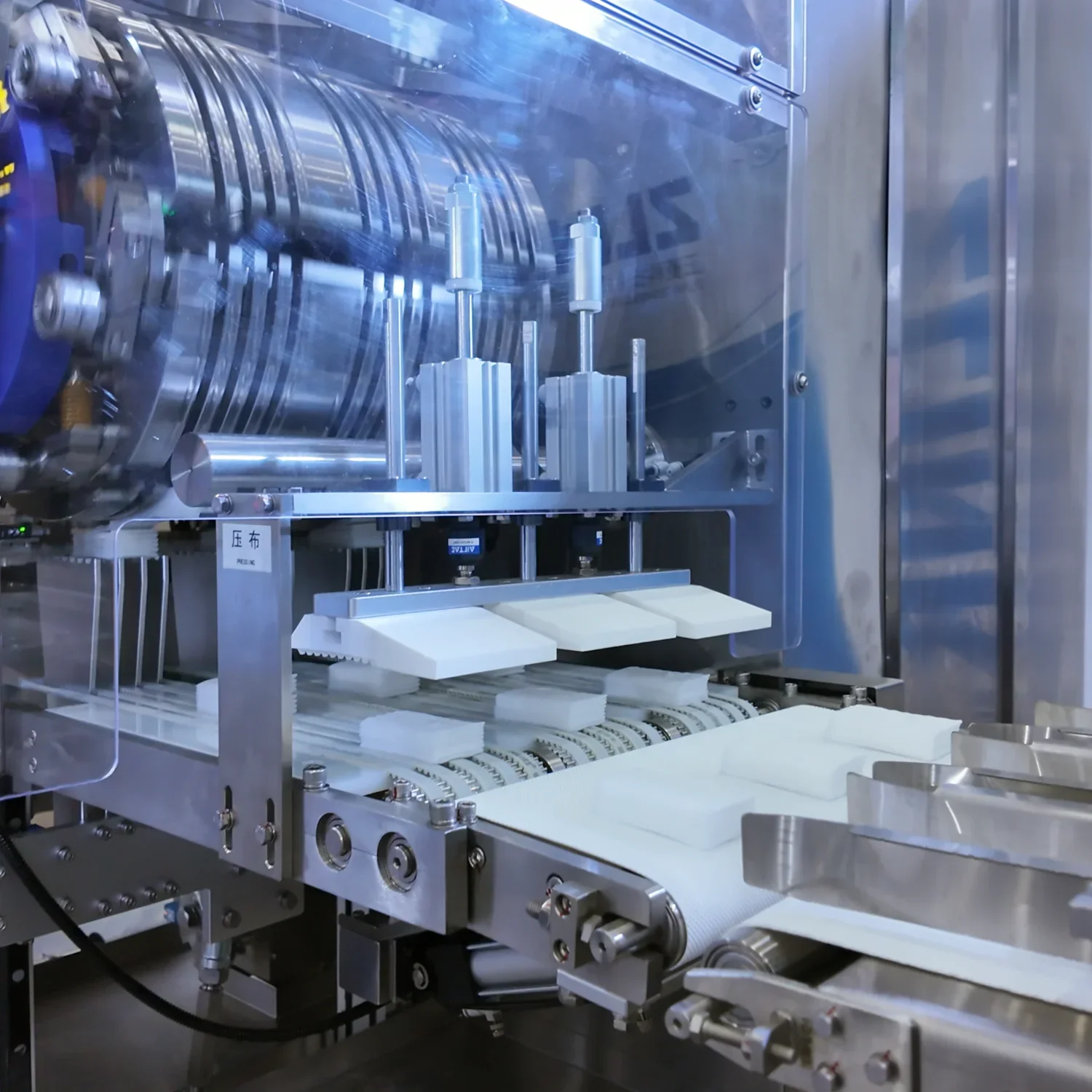
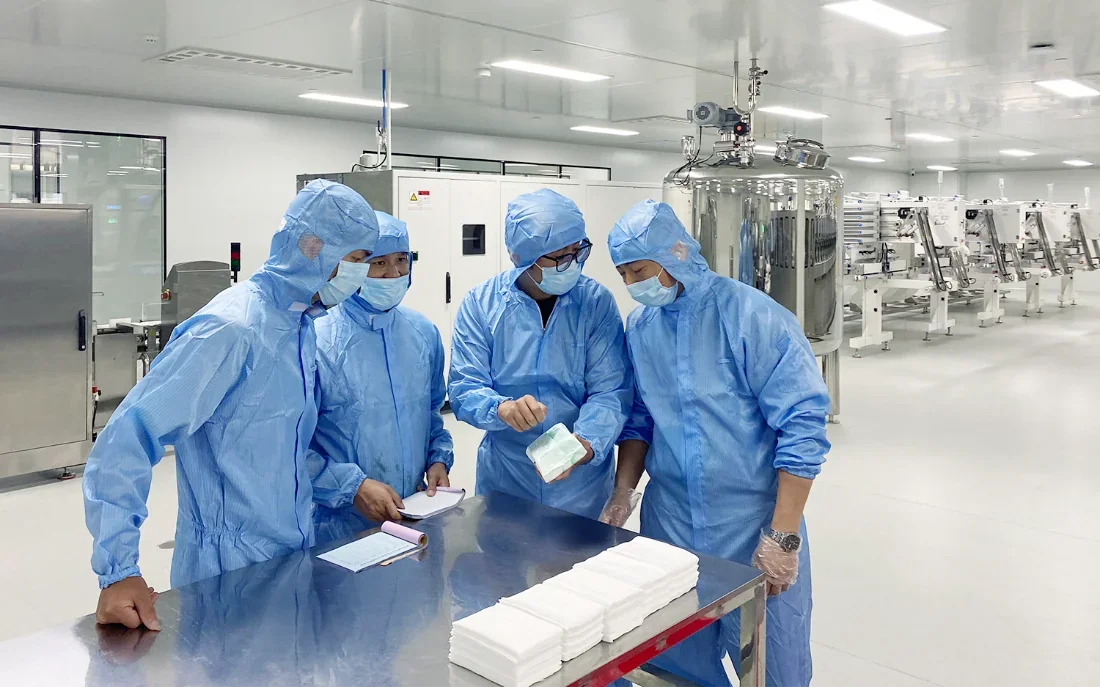
In practical factory layouts, a wholesale wet wipe production line is built on a modular structure that integrates feeding, cutting, and packaging functions, allowing operators to flexibly adjust output according to demand. We often observe that a wholesale wet tissue manufacturing machine integrated into these systems allows partial operation through speed and synchronization settings rather than structural changes. This modular approach helps production teams maintain continuity when output requirements fluctuate. We also consider how operator training and control interface design influence adjustment efficiency in real production environments. Parameter-based adjustments can reduce the need for frequent mechanical intervention under controlled conditions, helping maintain stable output quality during transitional operating modes.
Operational Adjustment and Process Control
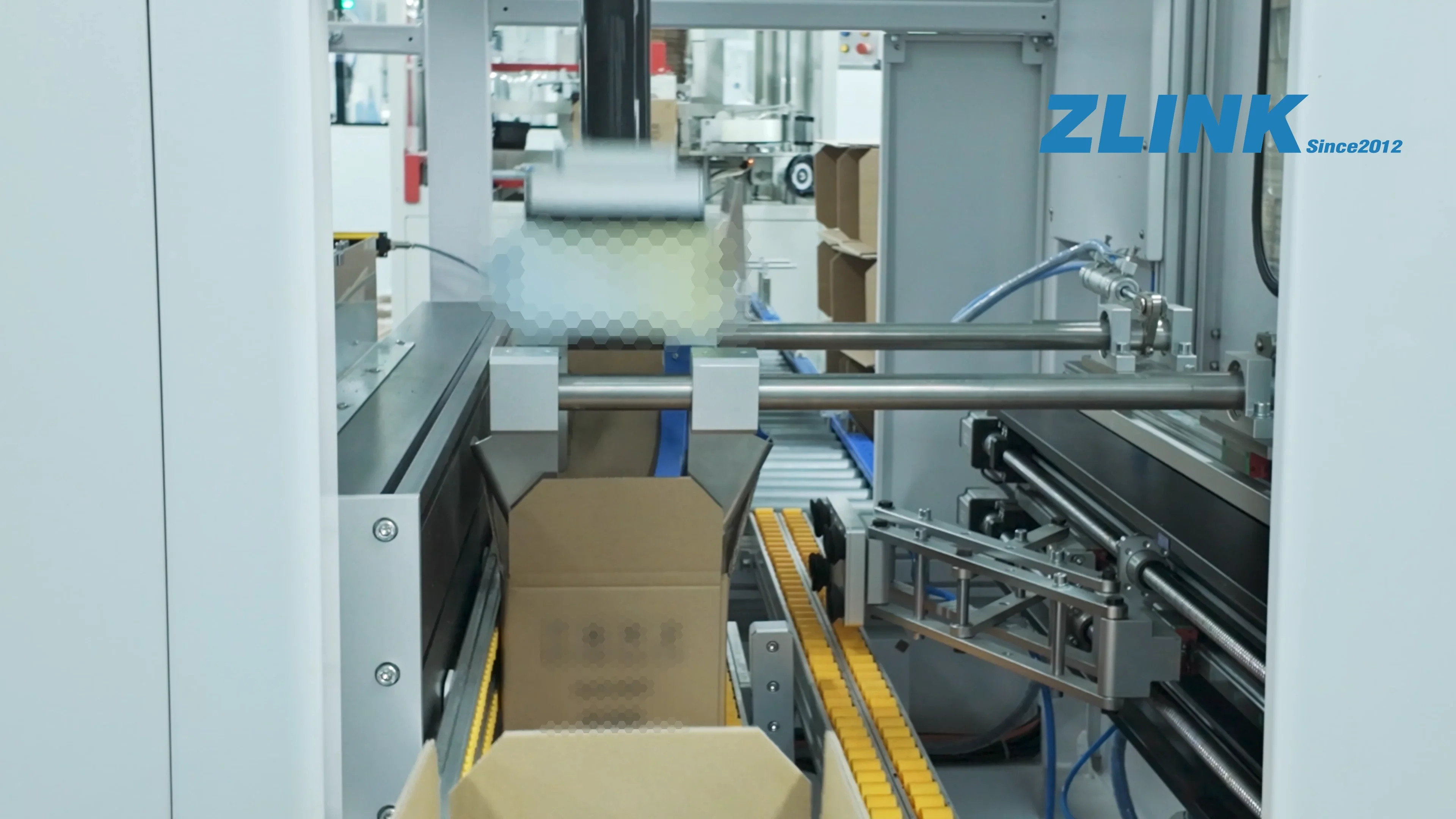
When reviewing daily operation, stability becomes the main focus. A wholesale wet wipe production line can reduce running speed while keeping sealing and folding consistency within acceptable process conditions. At the same time, a wholesale wet tissue manufacturing machine can be configured to match downstream packaging pace, which helps reduce accumulation and idle waiting between stages. These adjustments are typically managed through system parameters rather than hardware replacement. Such flexibility is particularly relevant for factories handling seasonal orders or mixed product specifications. By focusing on coordinated control rather than fixed capacity assumptions, production teams can respond more efficiently to short-term fluctuations while maintaining consistent product integrity.
Conclusion
Scaling down production is not about rebuilding equipment but about using controlled adjustments within an existing system. ZLINK designs equipment layouts that allow operators to manage variable demand through configuration changes and coordinated control. This approach supports wet wipe manufacturers in maintaining operational stability across different production scenarios while avoiding unnecessary system modifications. It also supports long-term planning by allowing gradual adaptation instead of abrupt system changes, which can be important for factories aiming to optimize resource utilization over multiple production cycles. This view aligns with practical expectations in wet wipe manufacturing environments where equipment is expected to remain adaptable across long-term operational changes while maintaining consistent process coordination and supporting predictable workflow management in daily production activities. Operators benefit from predictable control behavior during routine production adjustments and monitoring processes consistently.