


In the hygiene product industry, cleaning consistency and production stability are essential for wet wipes manufacturing. We often receive questions about whether a China baby wipe production line can support CIP system integration, especially from wet wipes manufacturers and brand owners who manage large-scale hygiene product output. In our experience at ZLINK, system cleanliness and automation are closely connected to production efficiency and product safety requirements.
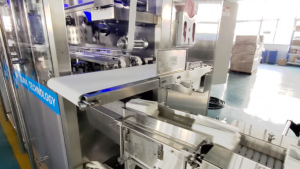
Cleaning Integration in Continuous Production
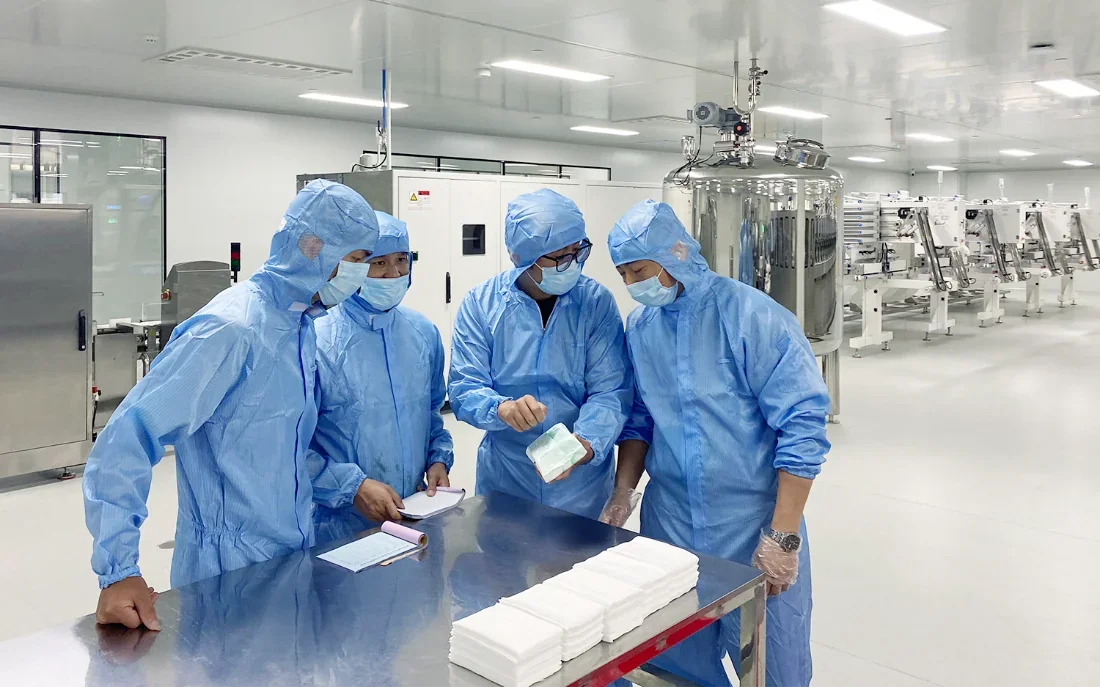
When discussing CIP (Clean-in-Place) functionality, we focus on how cleaning processes are applied without disassembling equipment. In our engineering practice, the China baby wipe production line can be designed with modular cleaning pathways, especially in mixing and fluid handling sections. This allows internal pipelines and tanks to be flushed and sanitized during controlled cycles, which helps reduce downtime in routine maintenance.
Within ZLINK systems, cleaning integration is considered during the layout design phase rather than added as an external feature. For wet wipes production, this approach supports stable operation for manufacturers handling baby wipes, disinfectant wipes, or personal care wipes. It also helps production teams maintain consistent hygiene control without interrupting continuous output.
Equipment Structure and Packaging Coordination
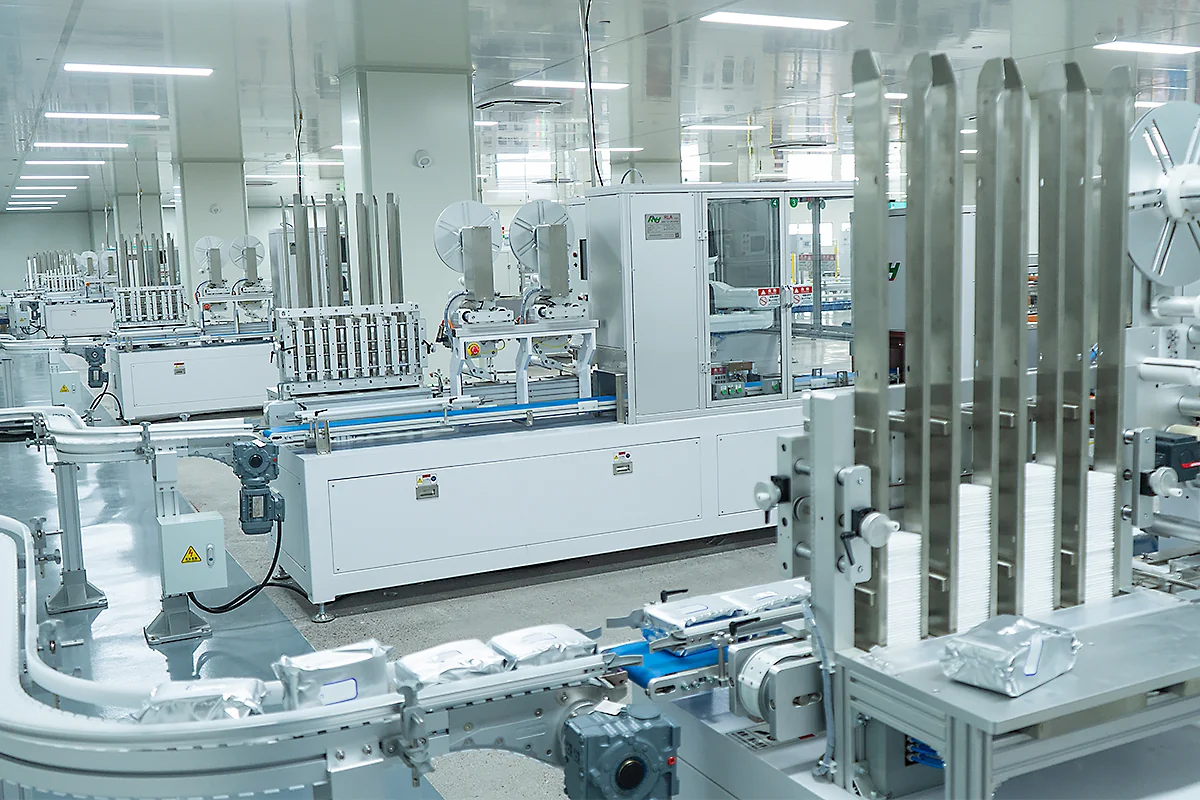
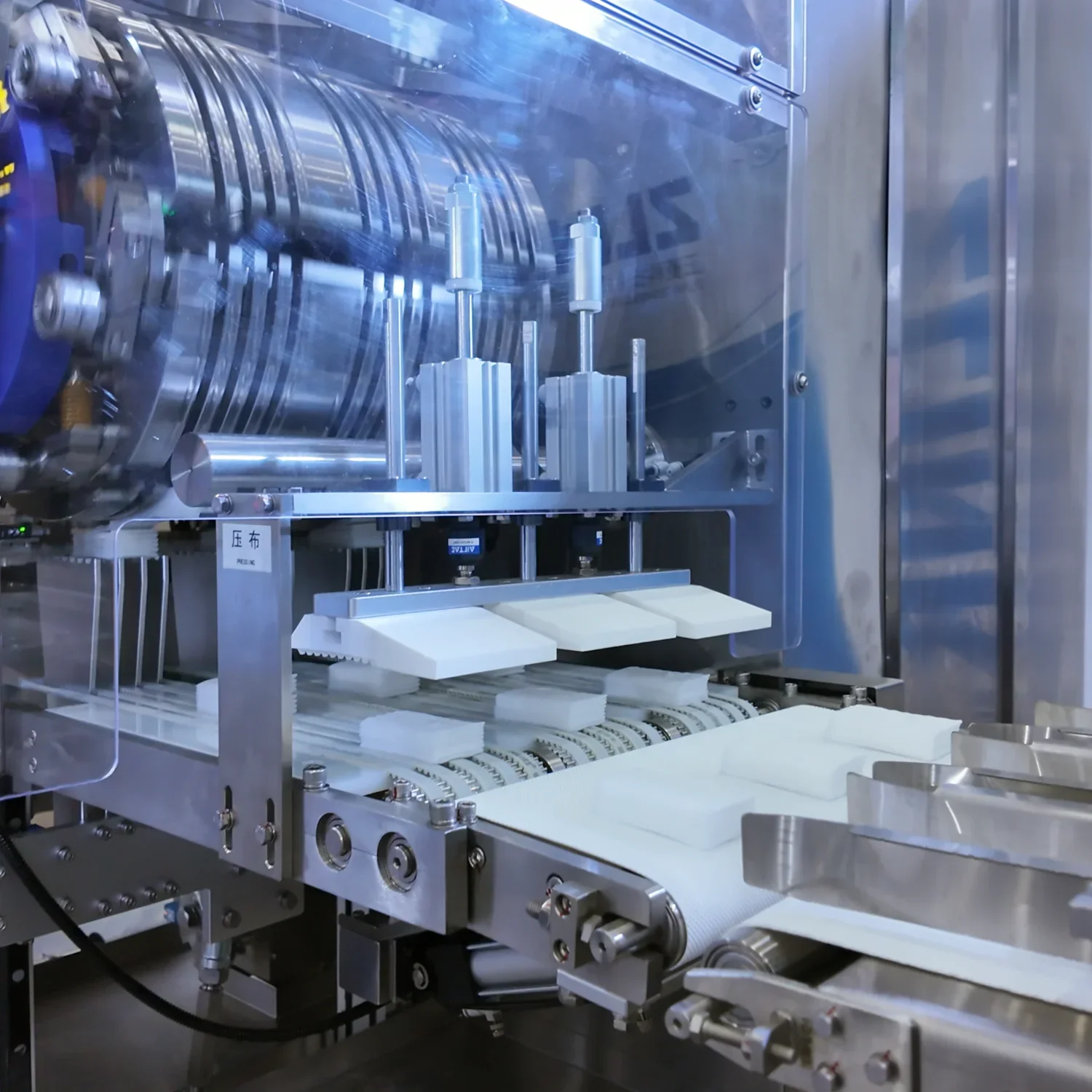
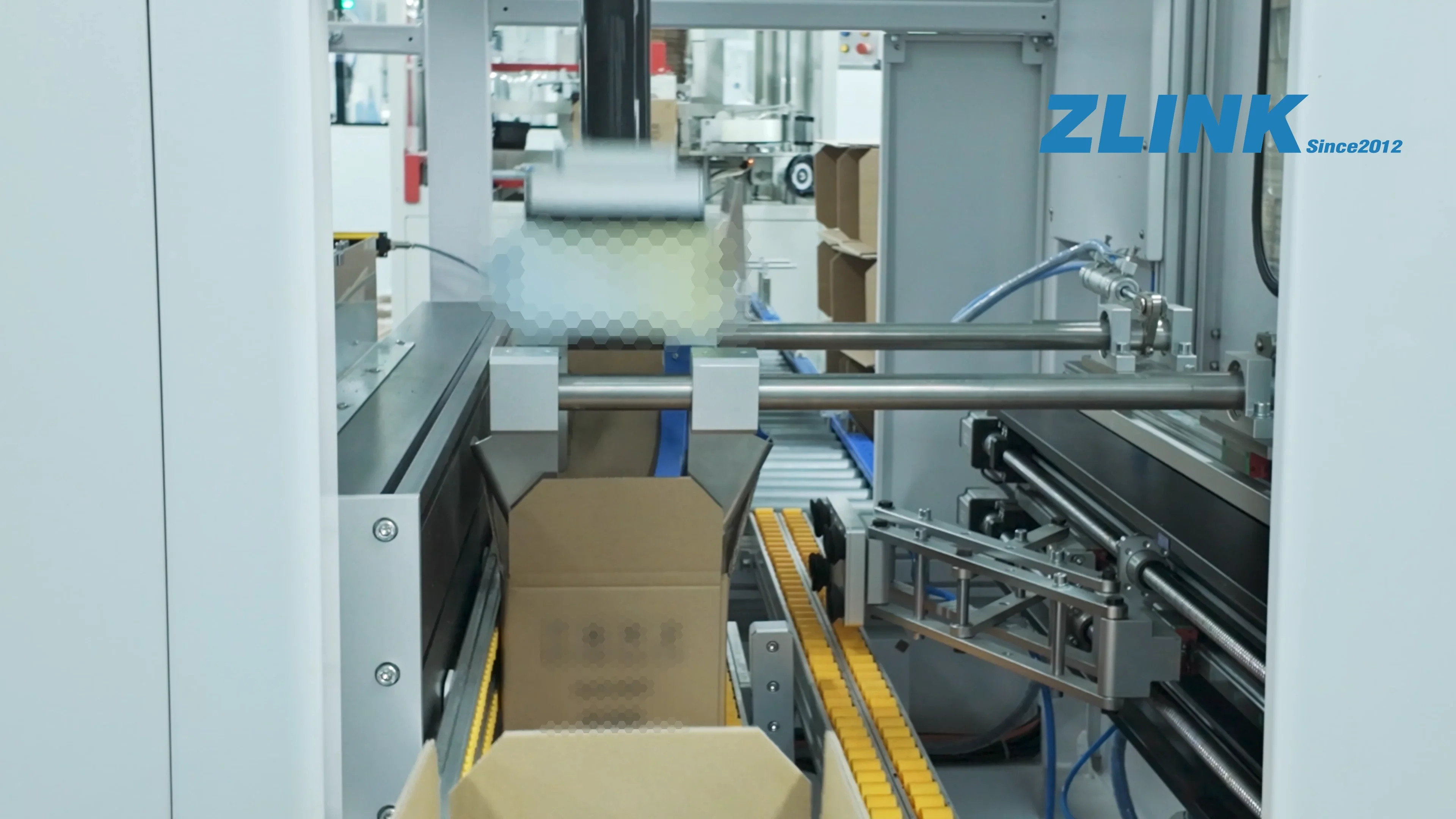
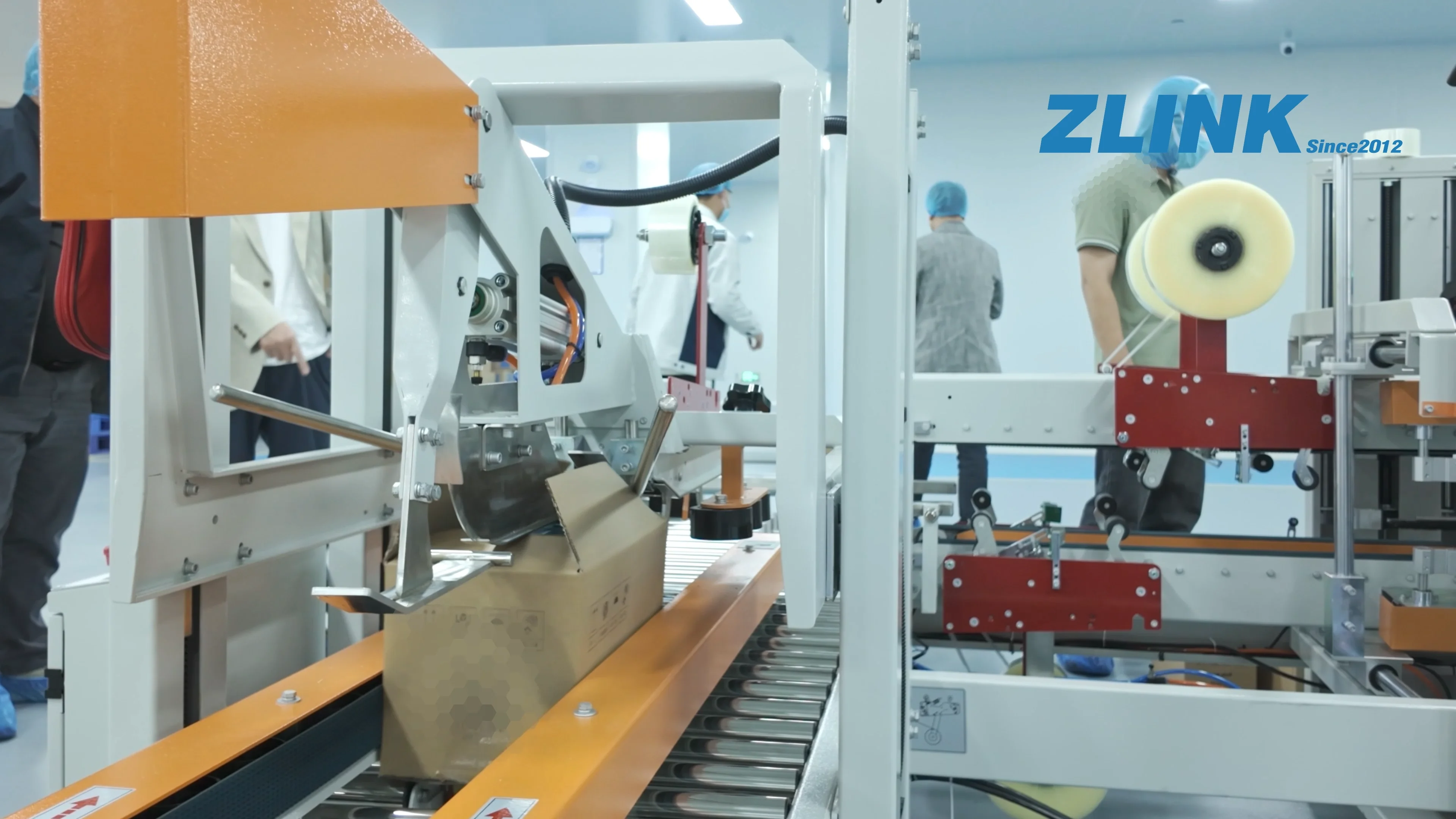
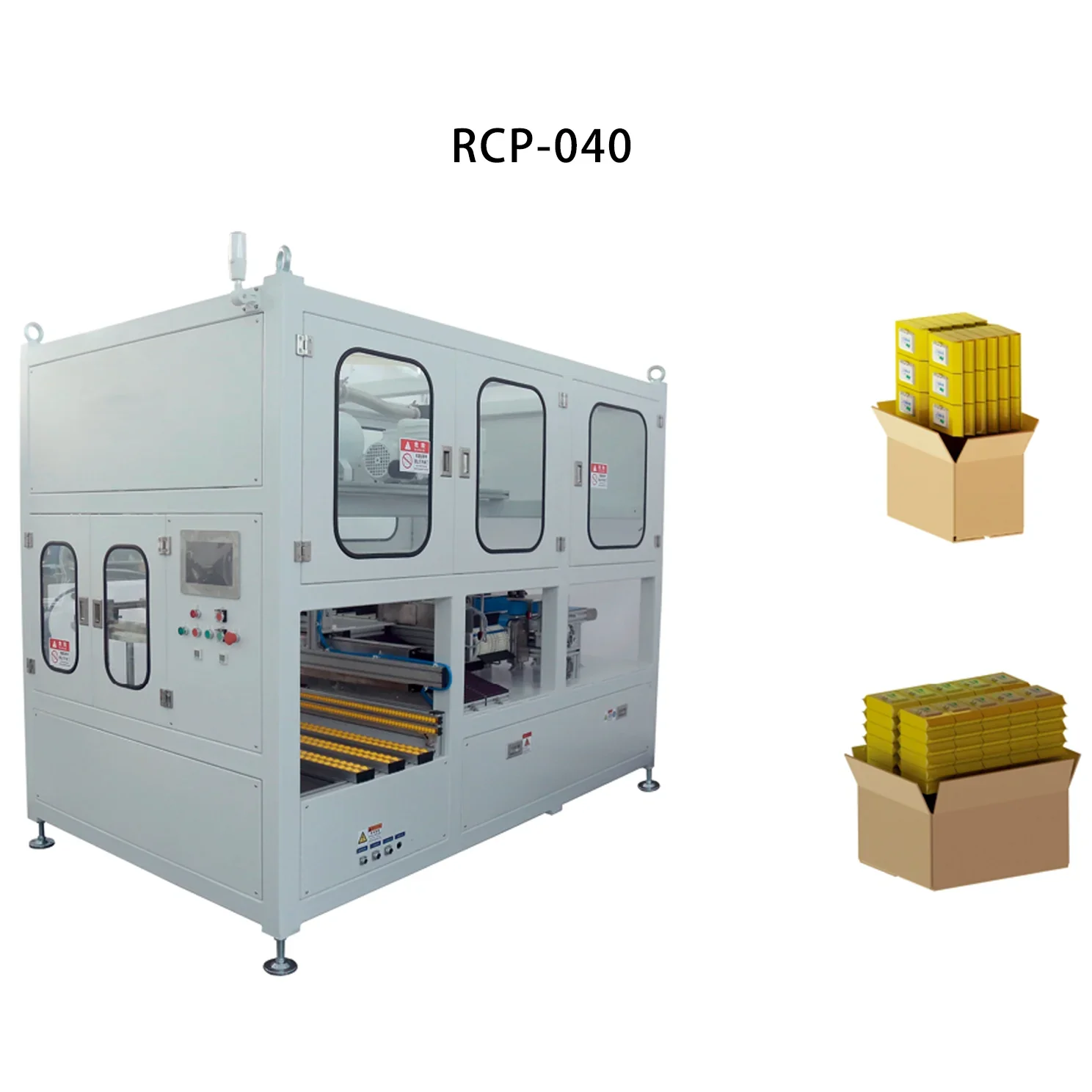
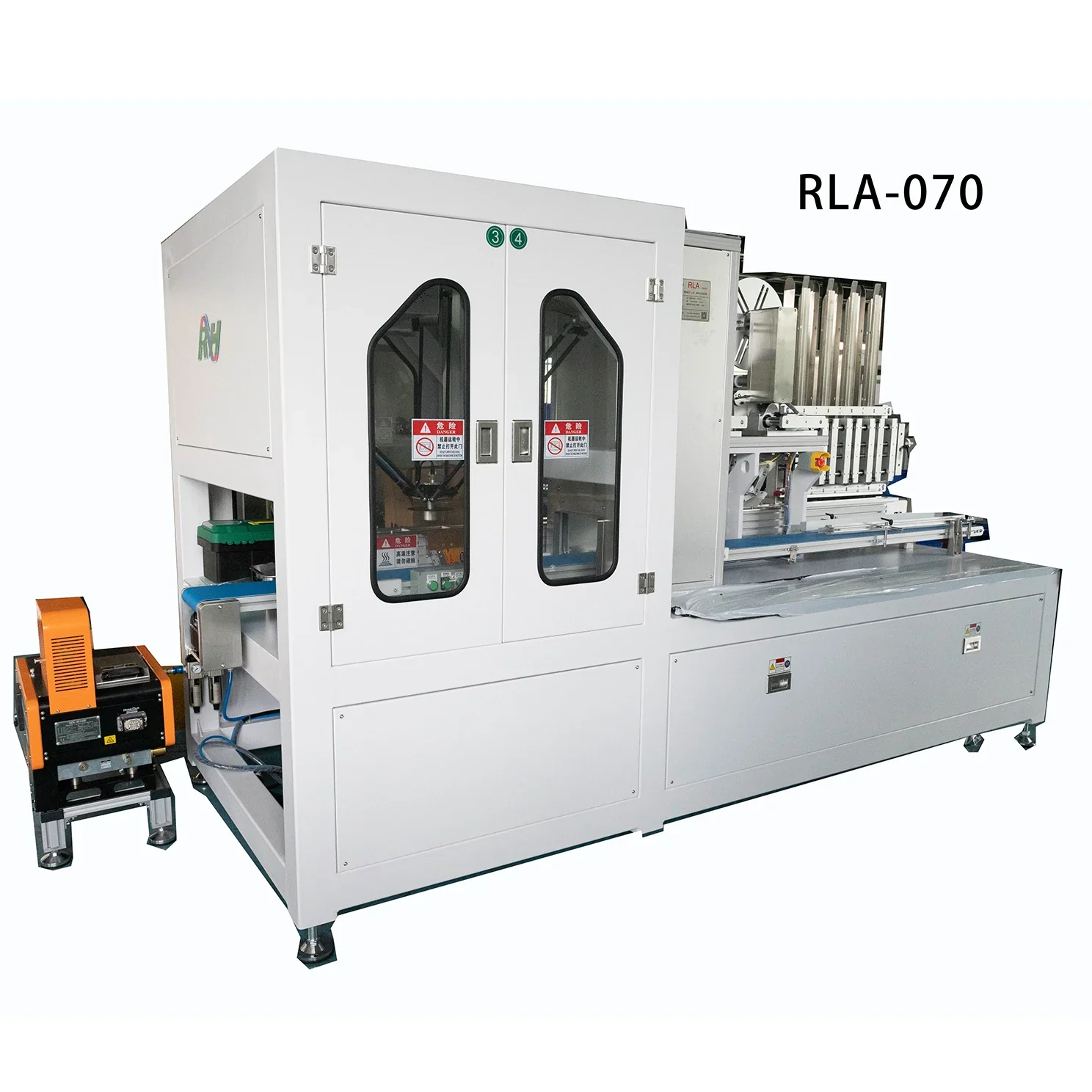
In downstream processes, packaging plays a key role in maintaining hygiene integrity after production. This is where coordination between production lines and automatic baby wet wipe packing machine manufacturers becomes important. We design packaging interfaces to align with upstream filling and folding systems, ensuring smoother transfer of products into sealing and packing stages.
In practical applications, our system layout often includes automatic conveying and synchronization modules that reduce manual handling. For wet wipes factories serving large retail brands, this structure supports more stable workflow management and reduces variability between production batches. The packaging stage is therefore not isolated but integrated into the overall line logic.
System Design and Operational Considerations
From an operational perspective, CIP integration is not only about cleaning capability but also about material compatibility and control accuracy. In ZLINK wet wipes equipment, stainless steel contact parts, controlled fluid circulation, and programmable cleaning cycles are applied where necessary. This supports long-term operation in hygiene-sensitive environments.
In China, we design baby wipe production lines for continuous industrial operation, including configurations based on our WT-IF Series High-Speed Multi-Lane Baby Wipes Production Line. It is structured to support both standard wipes and customized formulations, which is important for manufacturers working with different brand requirements in the hygiene sector.
Conclusion
CIP system integration in wet wipes manufacturing depends on how the production line is engineered rather than being a standalone feature. In ZLINK systems, cleaning functions are incorporated into process design, especially in fluid handling and hygiene control sections. The China baby wipe production line can support structured cleaning strategies when configured properly, while coordination with automatic baby wet wipe packing machine manufacturers helps maintain hygiene consistency across production and packaging stages. Overall, the system design aims to support stable, long-term industrial operation for wet wipes producers without disrupting continuous manufacturing flow.