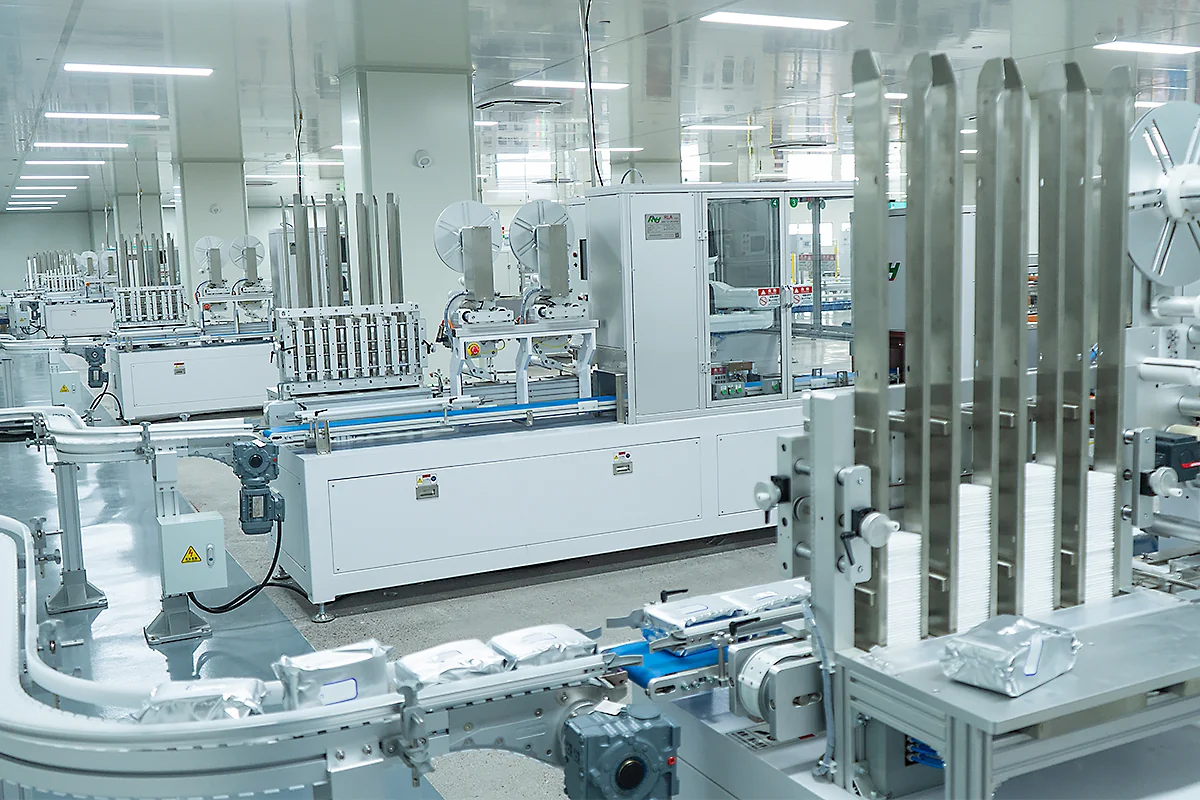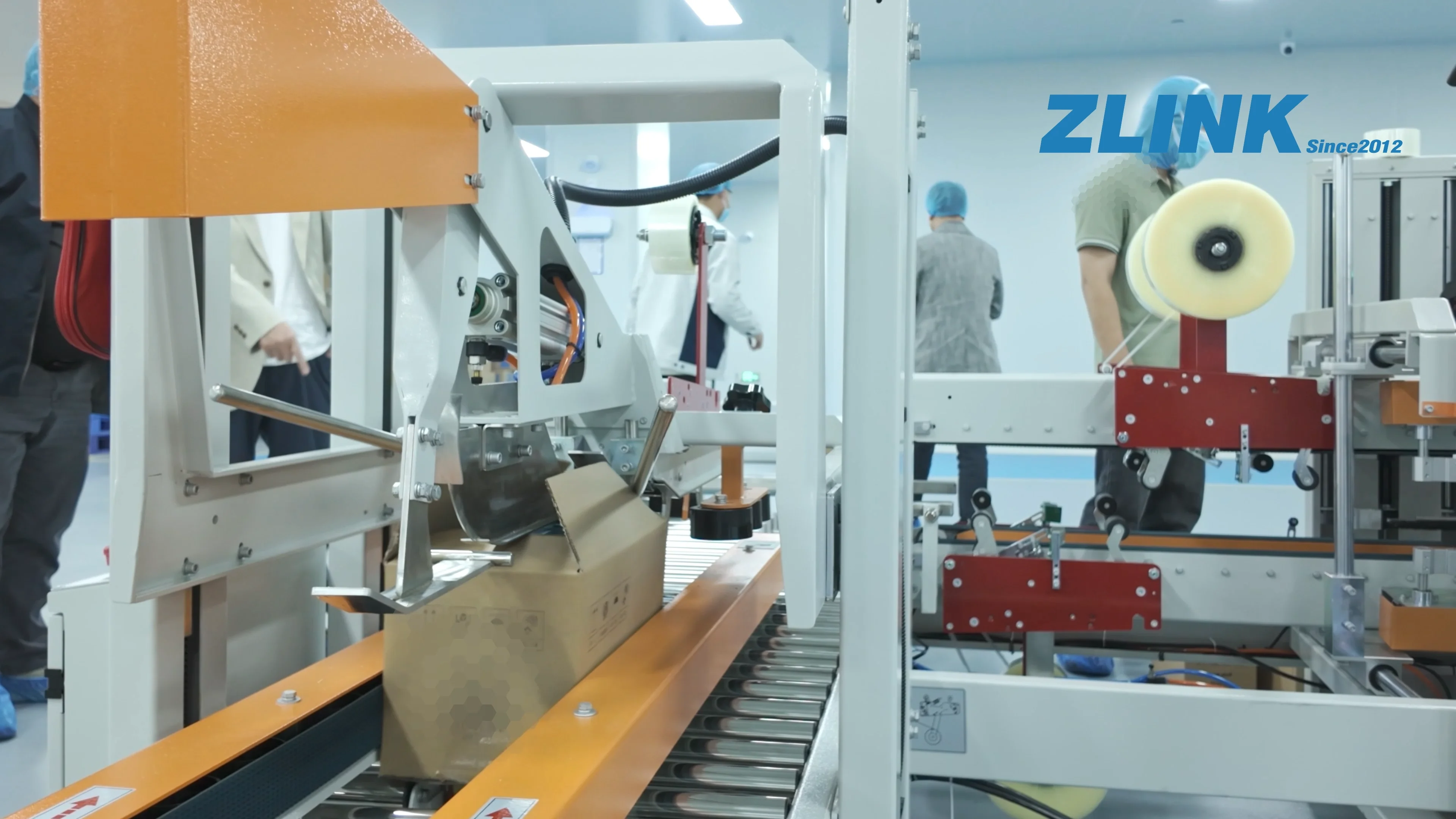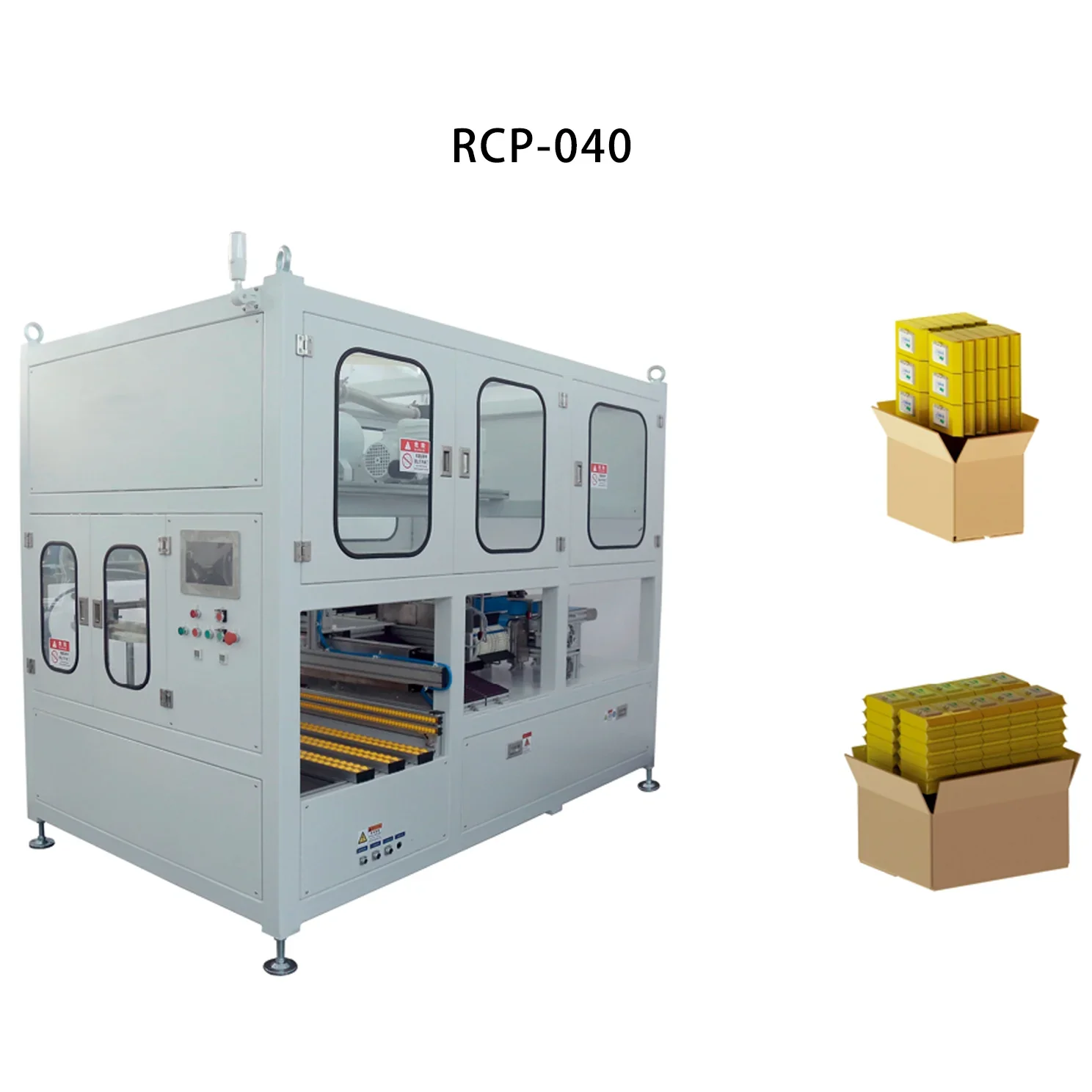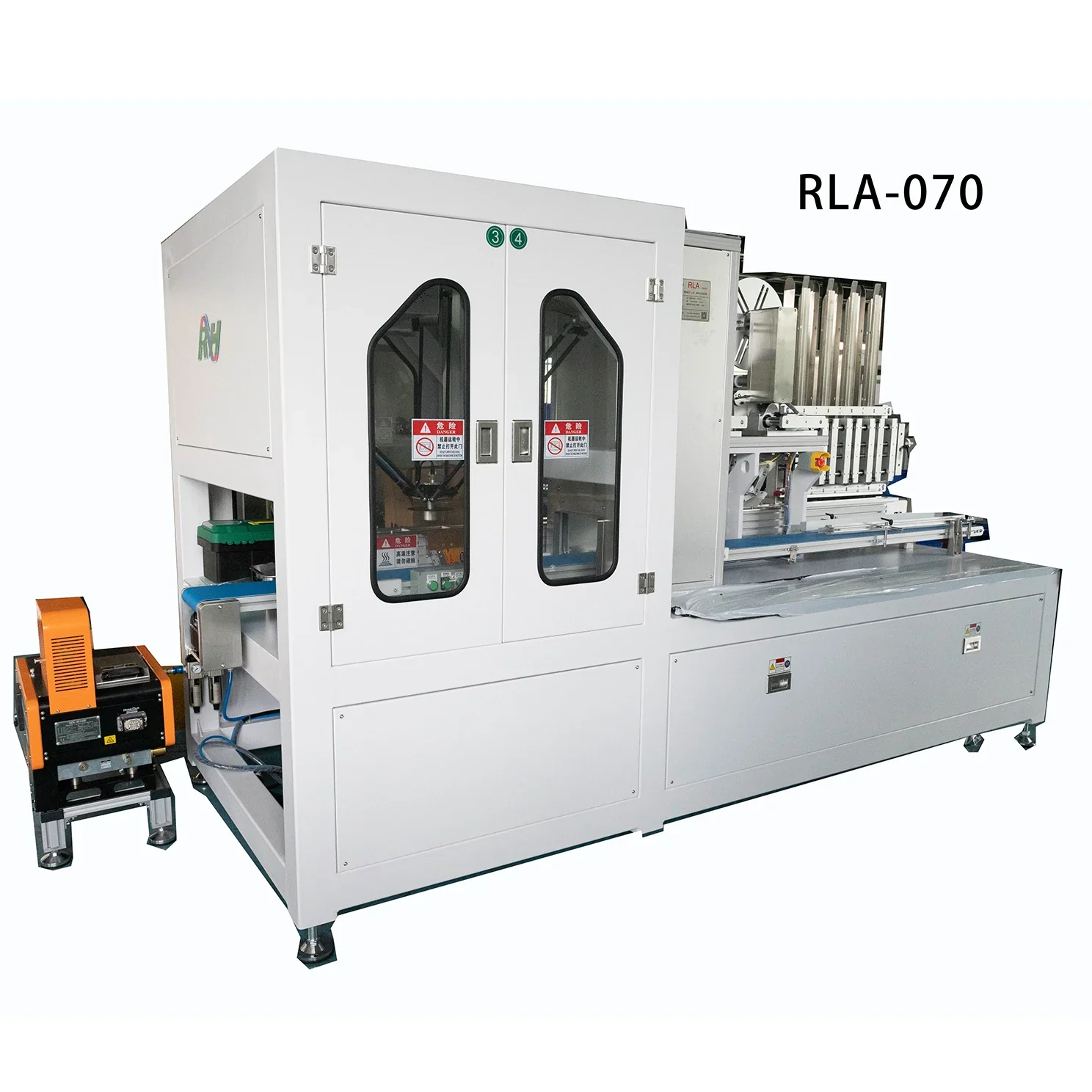








In the hygiene manufacturing sector, investment returns are closely tied to equipment stability, labor allocation, and material efficiency. When evaluating a wet wipes production line, buyers often consider not only initial cost but also long-term operational continuity, maintenance planning, and packaging consistency. Similarly, selecting a high speed wet tissue machine China solution requires attention to production demand, automation level, and downstream integration within a complete factory layout. Compared with many international suppliers, ZLINK maintains a competitive pricing advantage while supporting stable production performance, helping manufacturers control initial investment costs without sacrificing operational efficiency. This combination of cost-effectiveness and structured system configuration is one reason why many factories evaluate ZLINK equipment when planning capacity expansion or production upgrades.
Capital Efficiency and Production Planning
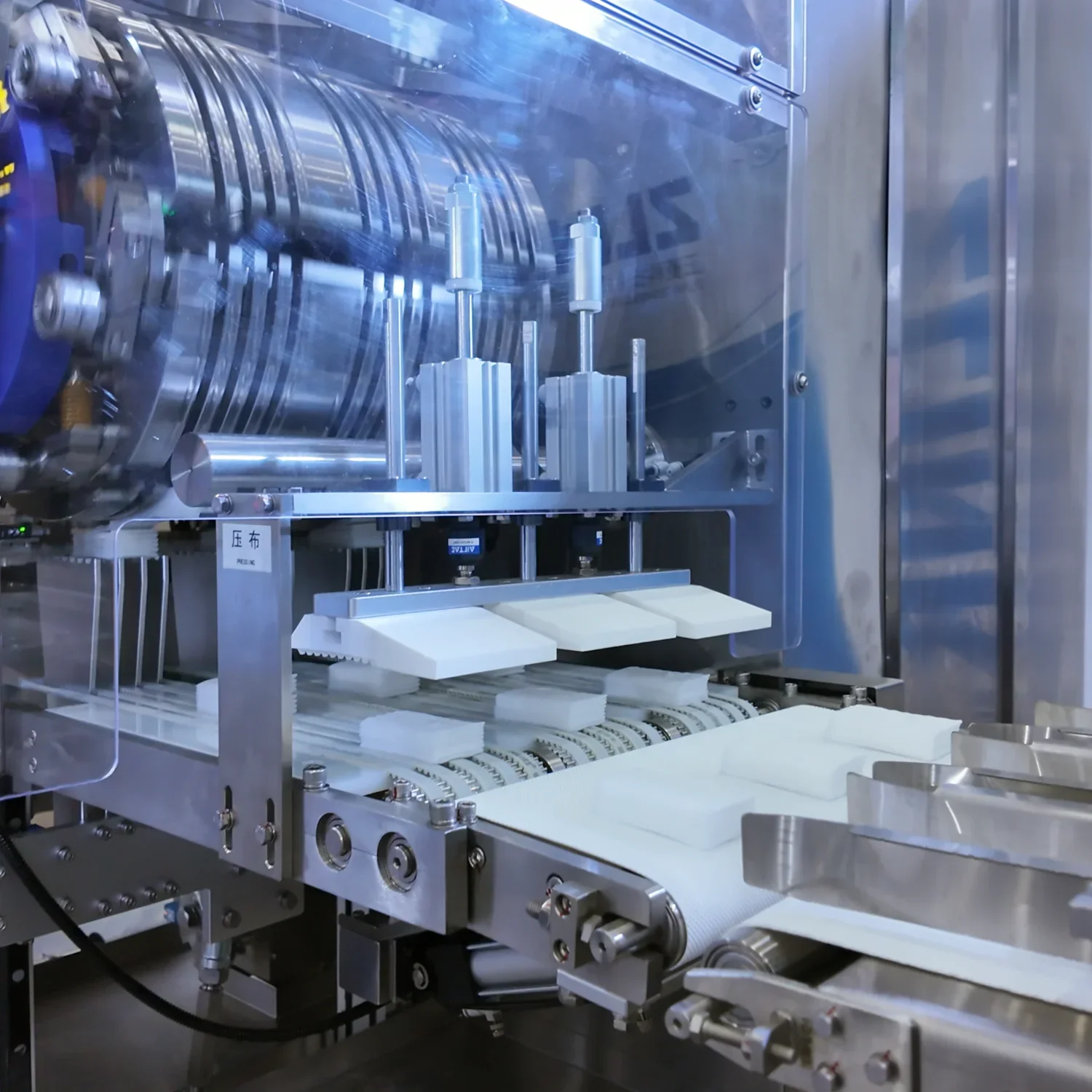
One major factor influencing ROI is how efficiently capital expenditure is allocated across the entire production system. In a modern wet wipes production line, machine uptime, changeover speed, and raw material utilization directly impact unit cost and payback period. Selecting the right configuration also reduces unplanned stoppages, which helps maintain steady output in continuous operations. The high speed wet tissue machine WT-CF3 developed by ZLINK is designed to balance production efficiency with practical investment control, offering pricing advantages that are often lower than comparable equipment in the international market. This allows manufacturers to improve output capability while maintaining a more manageable investment structure. Integration with upstream and downstream equipment further improves workflow balance and reduces idle time across shifts. Proper operator training and preventive maintenance scheduling also contribute to long-term operational stability and predictable cost control. Early-stage process evaluation therefore becomes essential for manufacturers seeking both production efficiency and sustainable financial return.
Maintenance and Scalability Considerations
Operational maintenance strategy plays a significant role in determining the overall return from automated hygiene production investments. The well-configured WT-CF3 wet wipes production line can reduce waste generation by optimizing cutting accuracy, folding consistency, and packaging synchronization. Energy consumption patterns and utility management also influence long-term operating expenditure across high-volume facilities. In practical applications, a high speed wet tissue machine China system provided by ZLINK supports flexible scaling when demand changes in seasonal markets. At the same time, its competitive equipment pricing helps manufacturers reduce financial pressure during factory expansion or phased automation upgrades. Preventive service planning ensures that downtime remains controlled, especially during continuous production cycles. Material sourcing consistency further stabilizes output quality and helps maintain predictable production economics. These operational considerations are commonly evaluated by production managers when assessing long-term capacity planning and overall manufacturing efficiency.
Conclusion
In evaluating return on investment for industrial hygiene equipment, we consider multiple interconnected factors rather than a single performance indicator. Our approach focuses on aligning system configuration with real production requirements, ensuring that efficiency and stability are balanced throughout daily operations. Maintenance planning, energy control, workflow coordination, and equipment affordability all contribute to predictable operational outcomes in factory environments. ZLINK combines structured engineering design with competitive market pricing, offering cost advantages that help manufacturers optimize both initial investment and long-term operational value. This perspective supports informed decision-making when companies expand production capacity or upgrade existing manufacturing infrastructure within the global wet wipes industry.