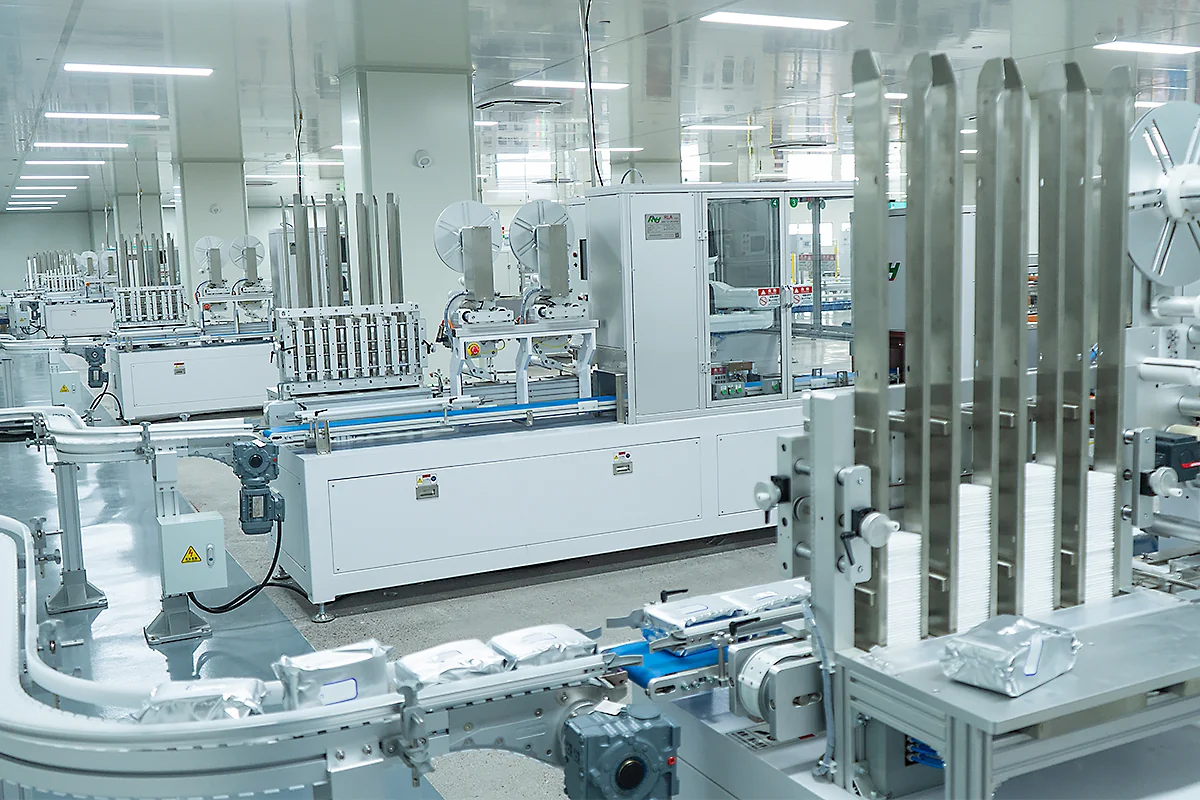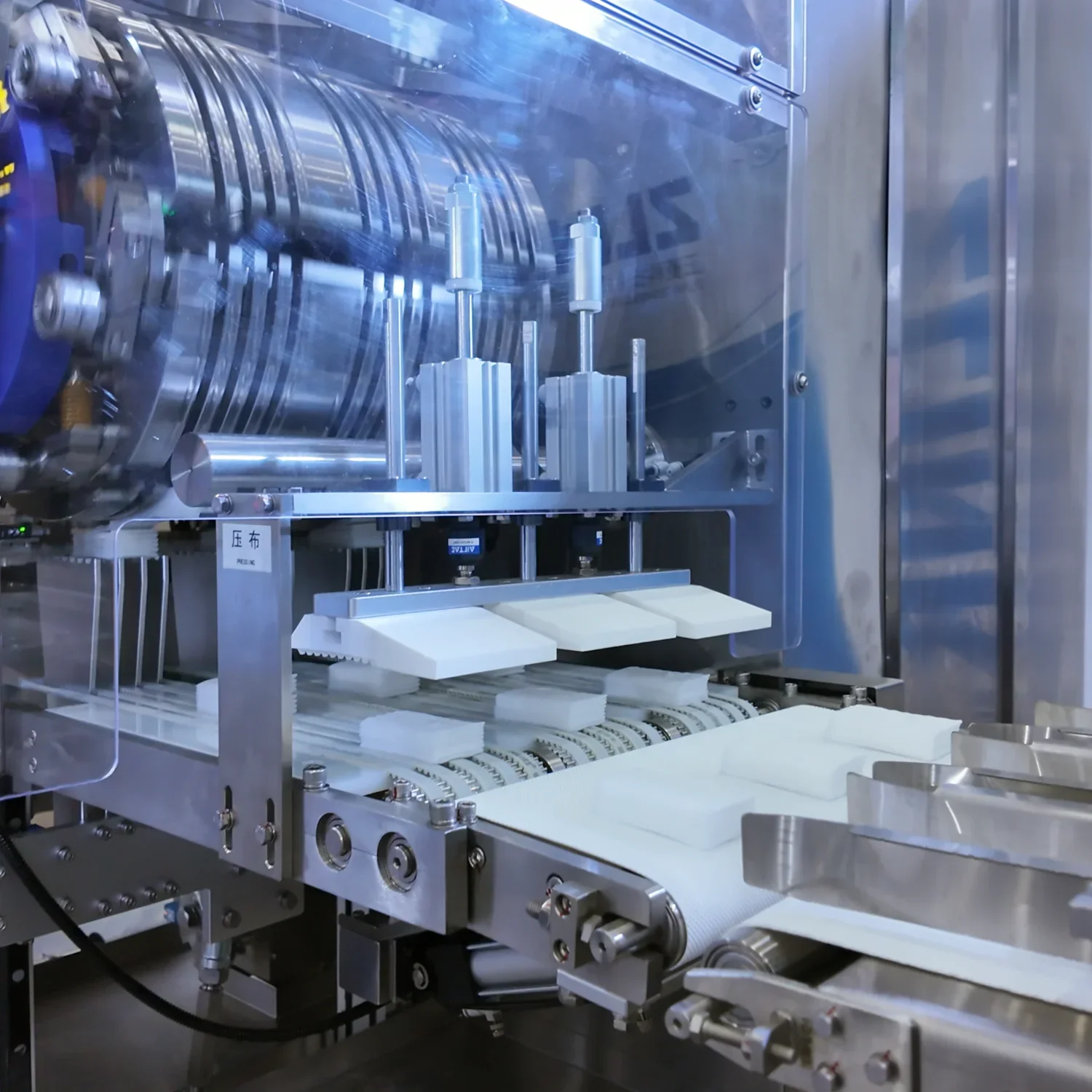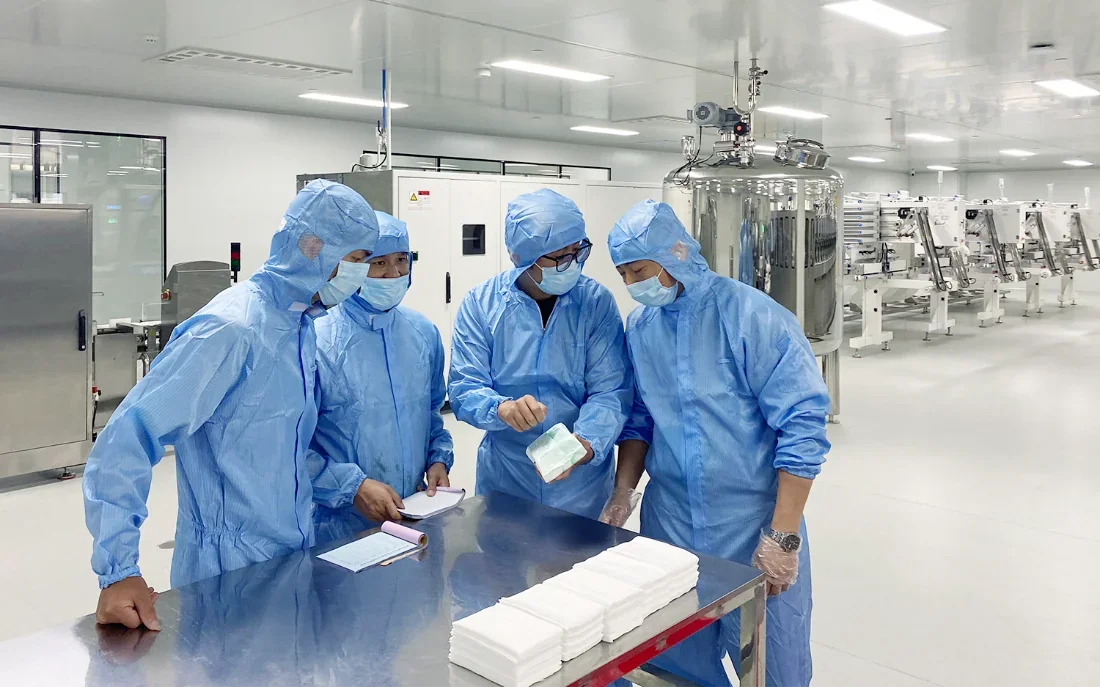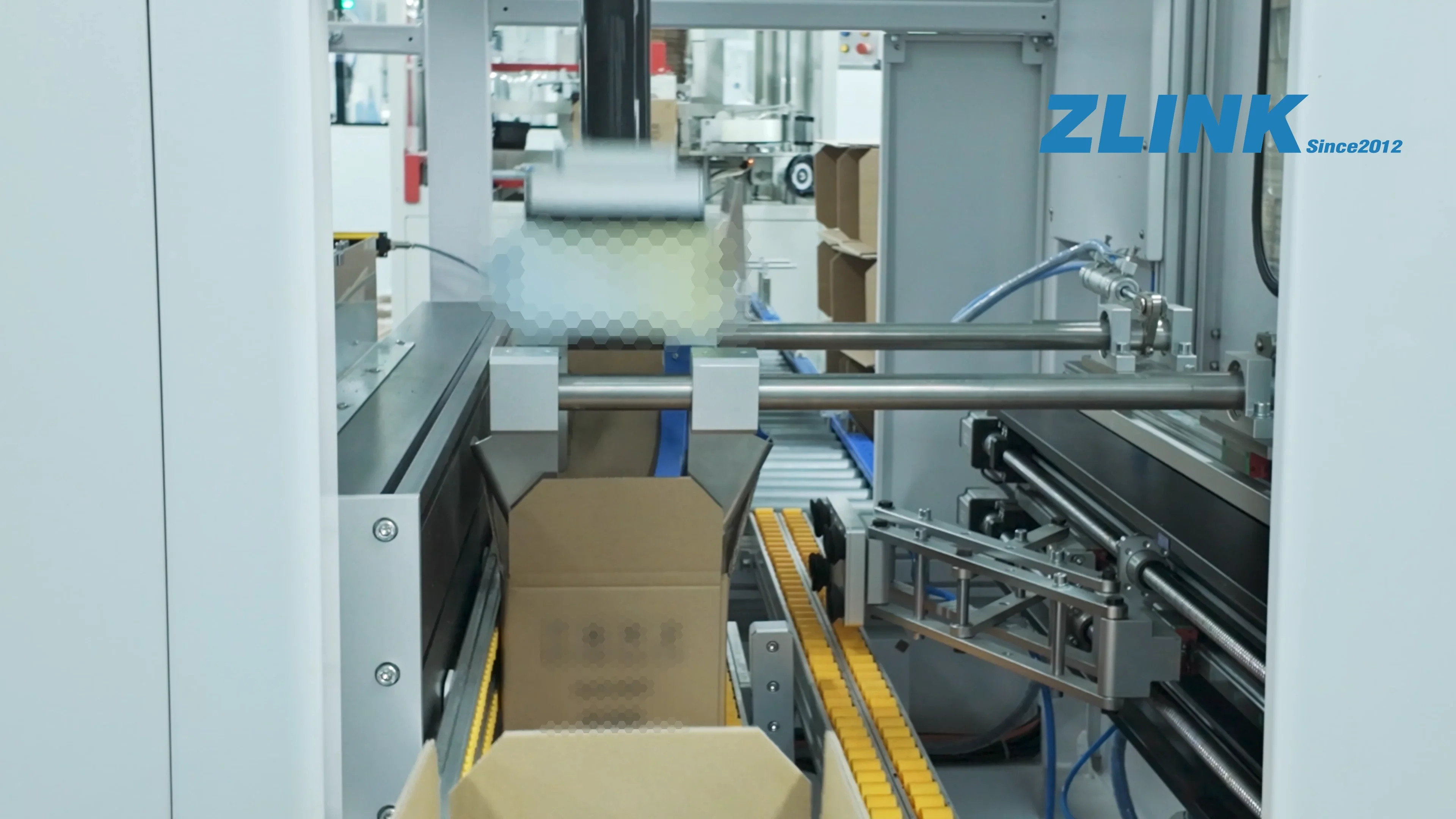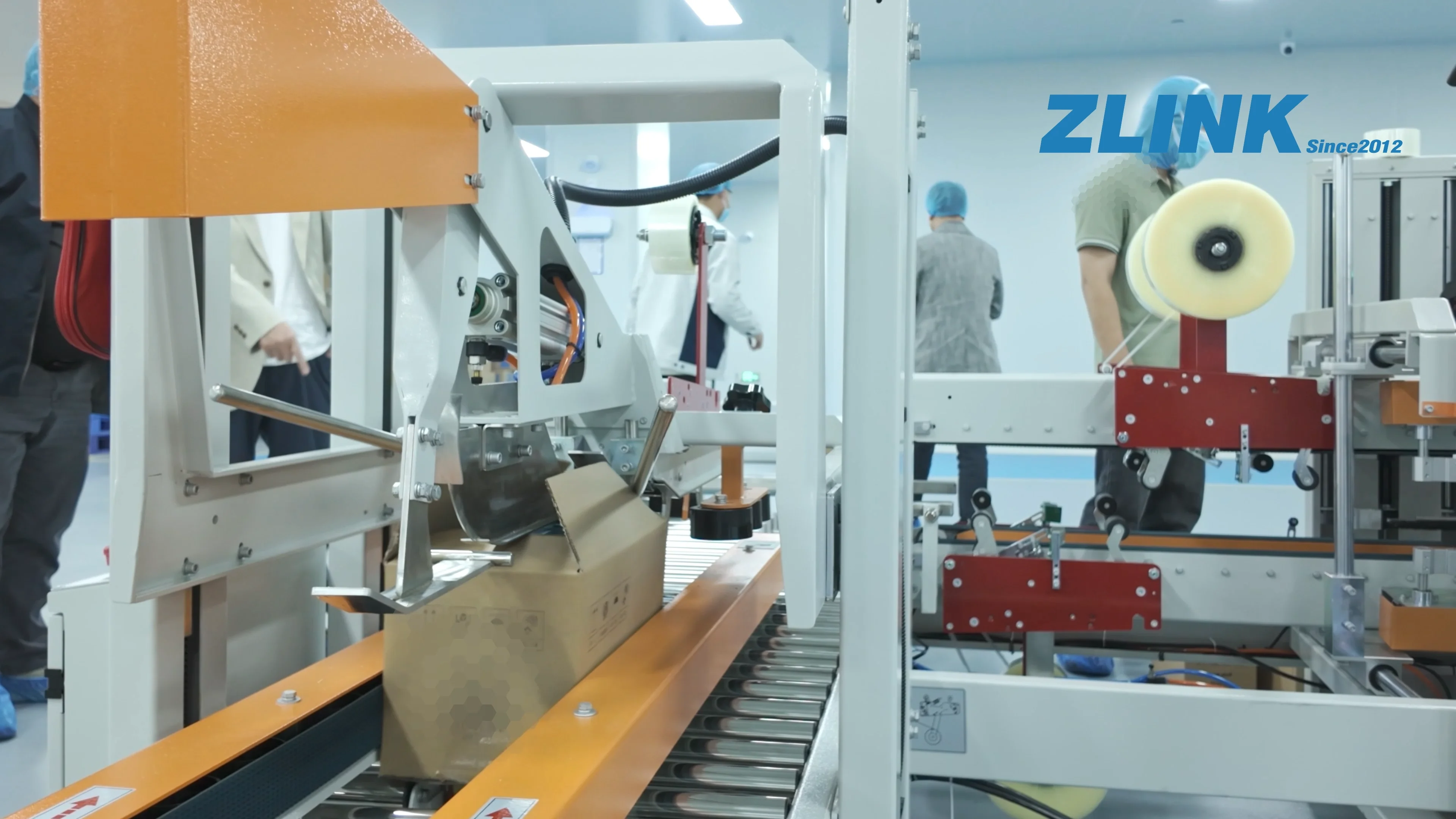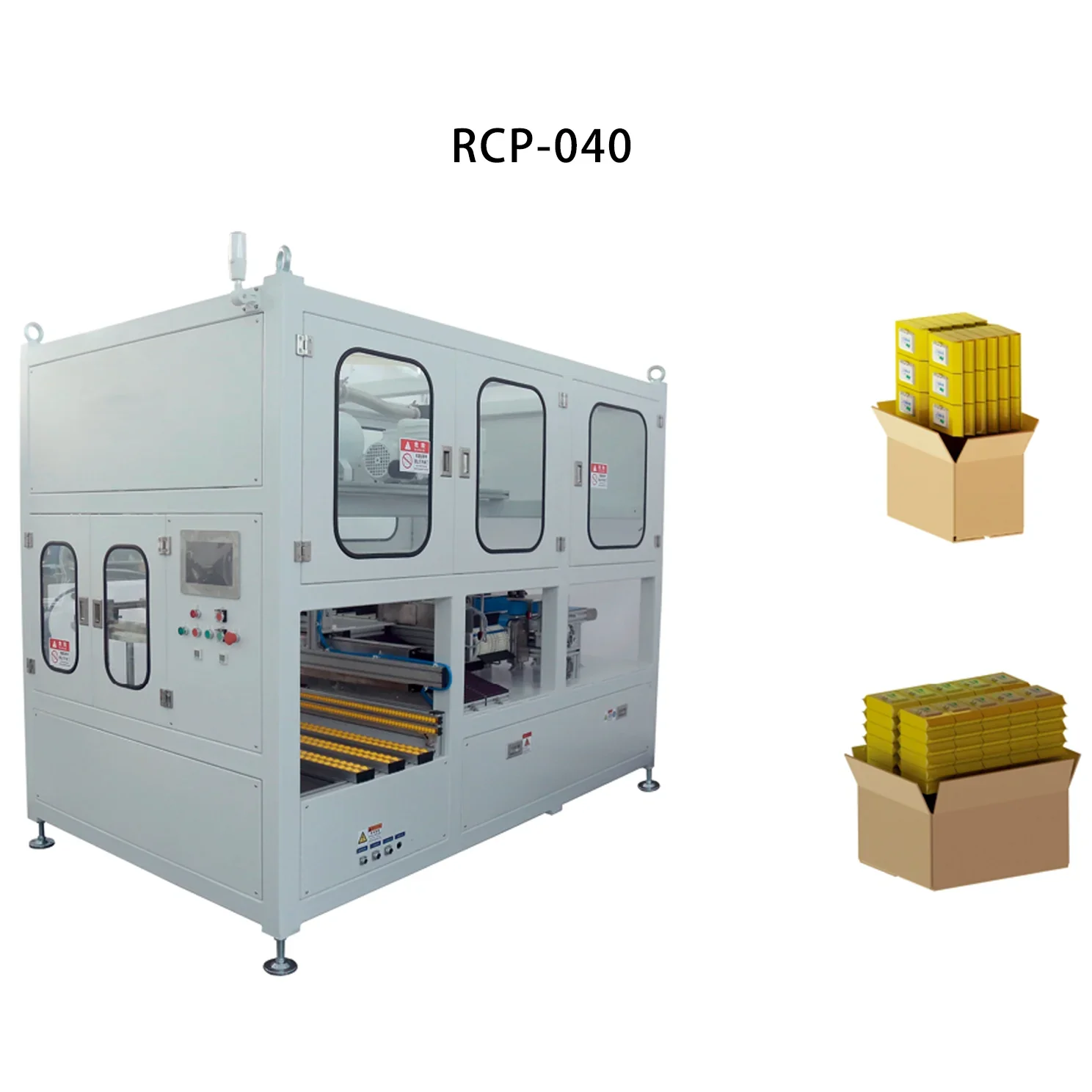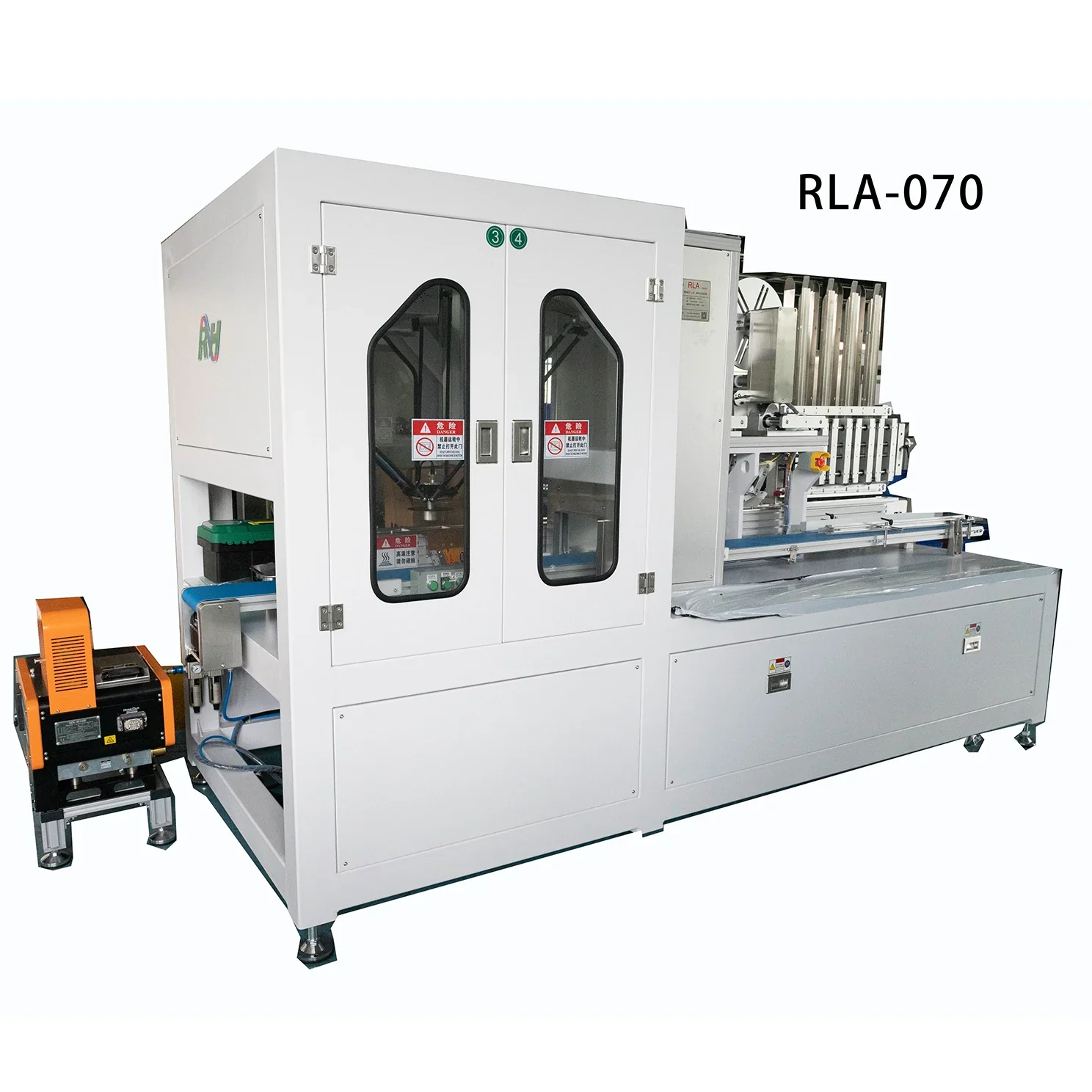








As wet wipe manufacturing becomes more data-driven, we at ZLINK focus on connecting machinery control systems with SCADA and MES platforms to support predictive maintenance. By collecting real-time operational signals from sensors, the system can identify early variations in performance and help reduce unexpected downtime. In this context, wet wipes production line promotions reflect how integrated digital solutions are being applied in modern factories rather than only emphasizing equipment speed or capacity. As a leading manufacturer, ZLINK integrates advanced machinery control systems to pioneer data-based maintenance strategies driven by industrial analytics. This approach improves planning decisions for production teams and streamlines equipment maintenance scheduling, ensuring a more stable workflow across shifts in daily operations.
Data Integration in Maintenance Planning
Within our engineering workflow, SCADA and MES integration allows equipment data from each wet wipe line to be structured into usable maintenance indicators. We analyze vibration, temperature, and cycle data to detect abnormal patterns before failures occur. This is particularly relevant when discussing wet wipes production line promotions, as customers increasingly evaluate not only machine output but also long-term operational stability. As one of the leading automatic wet tissue machine manufacturers in China, we apply these insights to adjust maintenance intervals and improve service planning without interrupting production schedules.
Predictive Maintenance Decision Logic
In our experience at ZLINK, predictive maintenance models rely on continuous data streams from SCADA and MES to evaluate equipment health across production cycles. These models help maintenance teams prioritize inspections and schedule interventions based on real machine behavior rather than fixed time intervals. From a production planning perspective, wet wipes production line promotions are often evaluated alongside system-level data insights, because buyers want to understand how digital monitoring affects long-term equipment reliability and maintenance predictability in real factory environments.
As part of this approach, we collaborate with automatic wet tissue manufacturers and producers in China to align maintenance strategies with real operational data. This ensures that service decisions are based on measurable equipment conditions rather than assumptions. Ultimately, this data-driven synergy helps production teams maintain stable output, minimize unexpected stoppages during continuous runs, and streamline maintenance scheduling across different shifts.
Conclusion: Data-Driven Maintenance Value
By combining SCADA and MES integration with predictive maintenance analytics, we can better understand equipment behavior across wet wipe production environments. This approach allows our company to shift from reactive maintenance to more structured planning, reducing unexpected downtime and improving operational coordination. It also supports decision-making for customers who are evaluating long-term system performance and maintenance consistency. Within ZLINK engineering practice, we focus on connecting equipment lifecycle data with practical maintenance workflows so that operators can make informed decisions during daily production management, while also ensuring system stability, consistent output quality, and structured service planning across different wet wipe manufacturing facilities in global applications. This aligns maintenance understanding with real operational requirements in factory environments, supporting long-term reliability planning consistently.