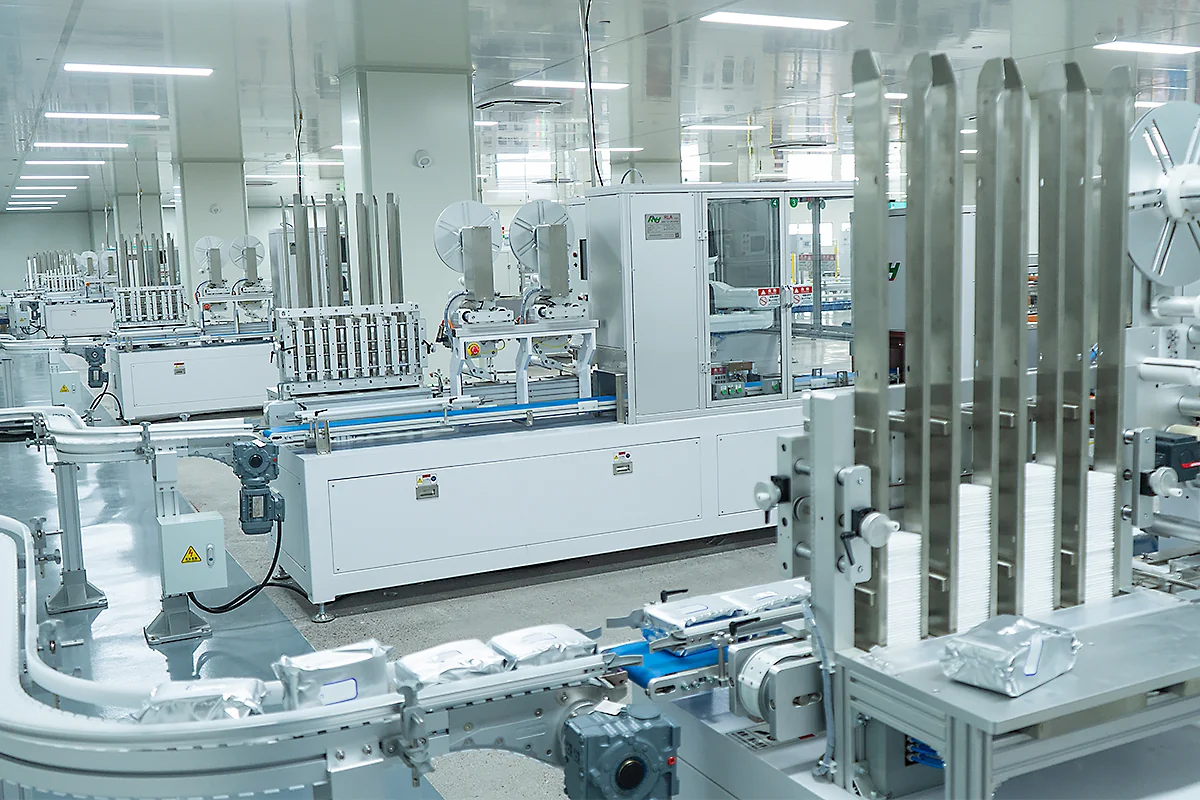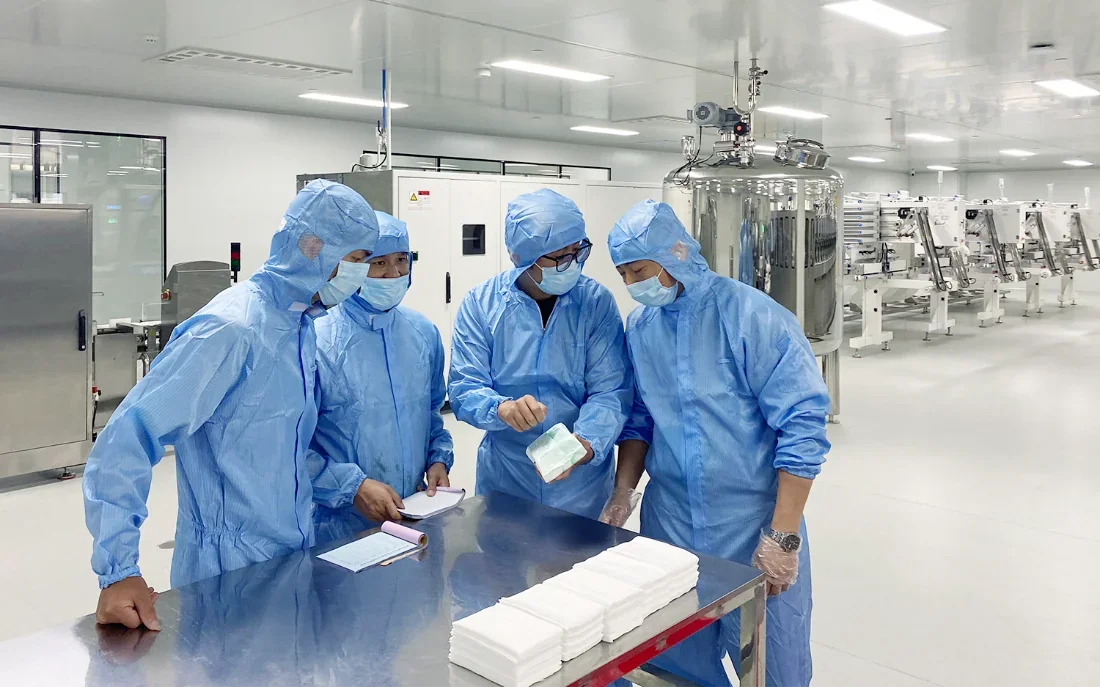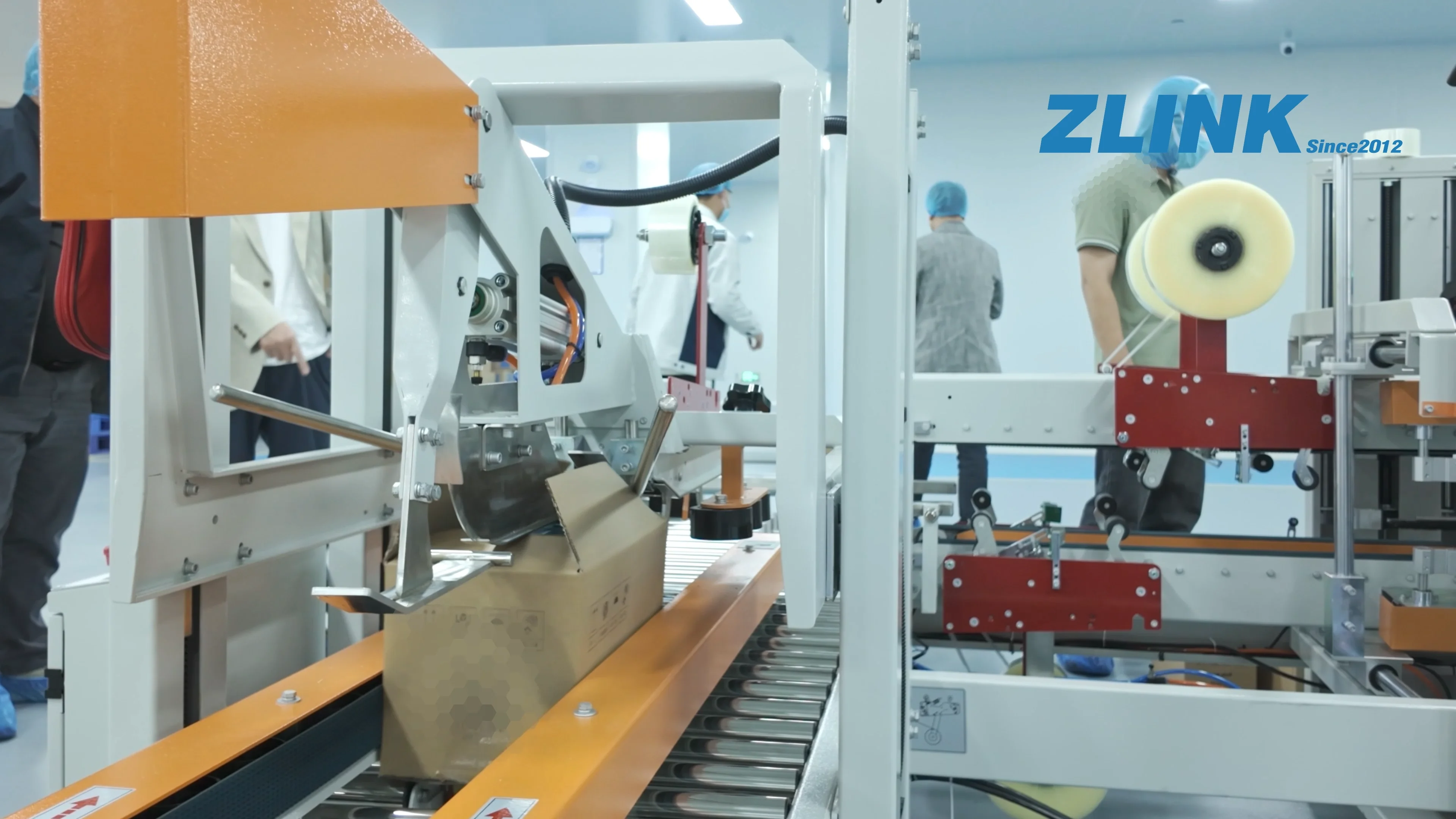







In modern wet wipes manufacturing, production efficiency and process consistency are closely linked to equipment design and automation control. As a wet wipes machine manufacturer, ZLINK focuses on integrated production solutions for wet tissue factories and hygiene product suppliers. We work with customers that require stable automation, flexible packaging formats, and long-term operating reliability. In recent years, manufacturers have paid more attention to full-line coordination instead of only looking at output speed. This shift has increased demand for systems that combine folding, liquid application, sealing, conveying, and automatic packing within one connected workflow. A complete production line can also help reduce manual handling during manufacturing and support cleaner operating conditions inside the workshop.
From Raw Material Handling to Finished Assembly
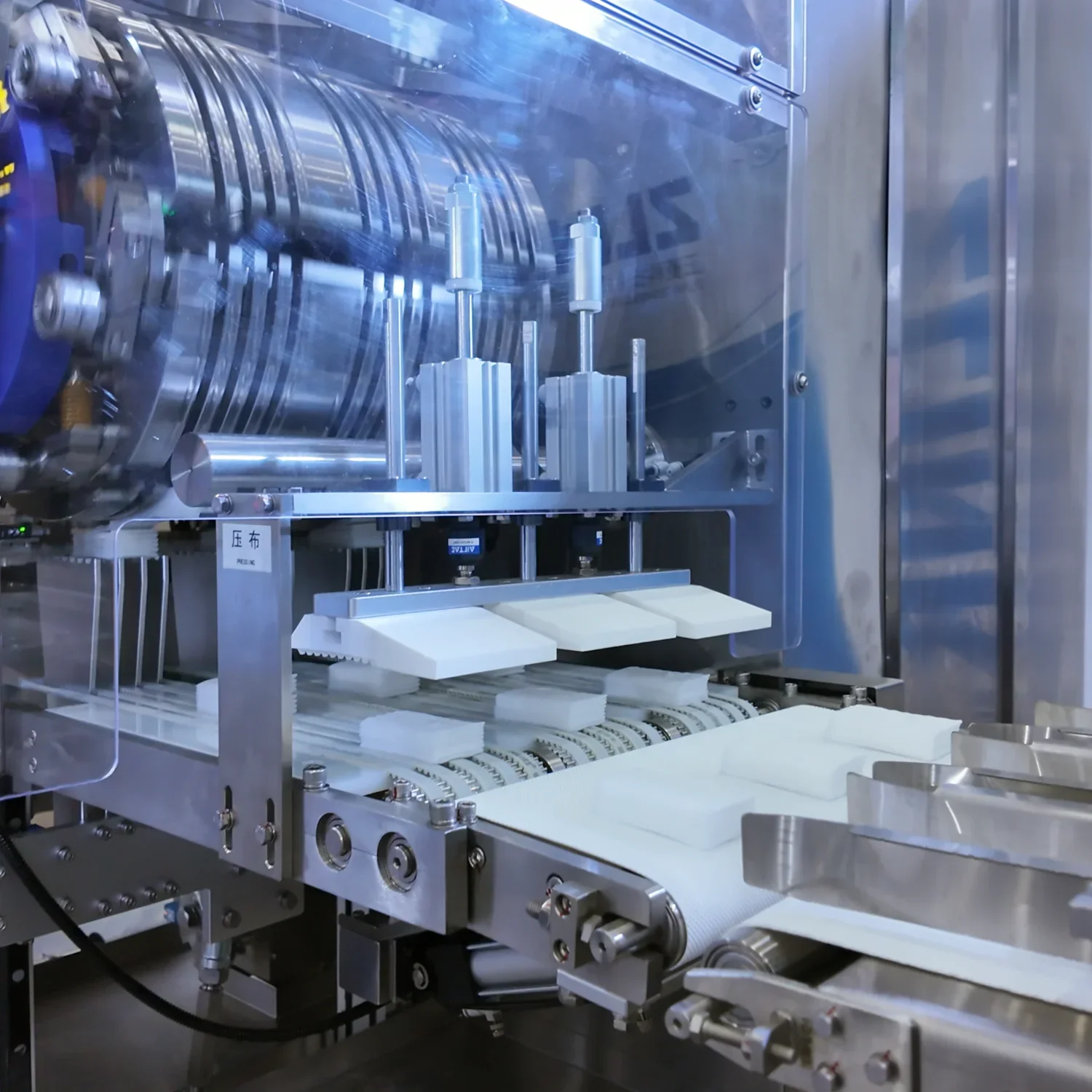
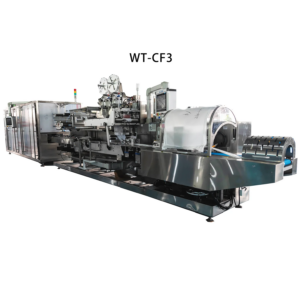
The working principle of a wipes production line begins with jumbo roll feeding and tension control. Nonwoven fabric then moves through cutting and folding sections before liquid filling is applied through a controlled dosing system. After that, the product enters sealing and labeling procedures, followed by counting and secondary packaging. During this process, servo control technology helps maintain synchronization between different stations. We design our systems to support coordinated movement across multiple operating sections while reducing unnecessary interruptions during production. For example, our WT-CF3 automated line is designed for continuous production processes in industrial assembly and automation systems. The equipment also supports automatic stacking and transfer functions that help simplify downstream handling for factory operators using a wet wipes machine in daily production.
Different Equipment Structures for Different Product Demands
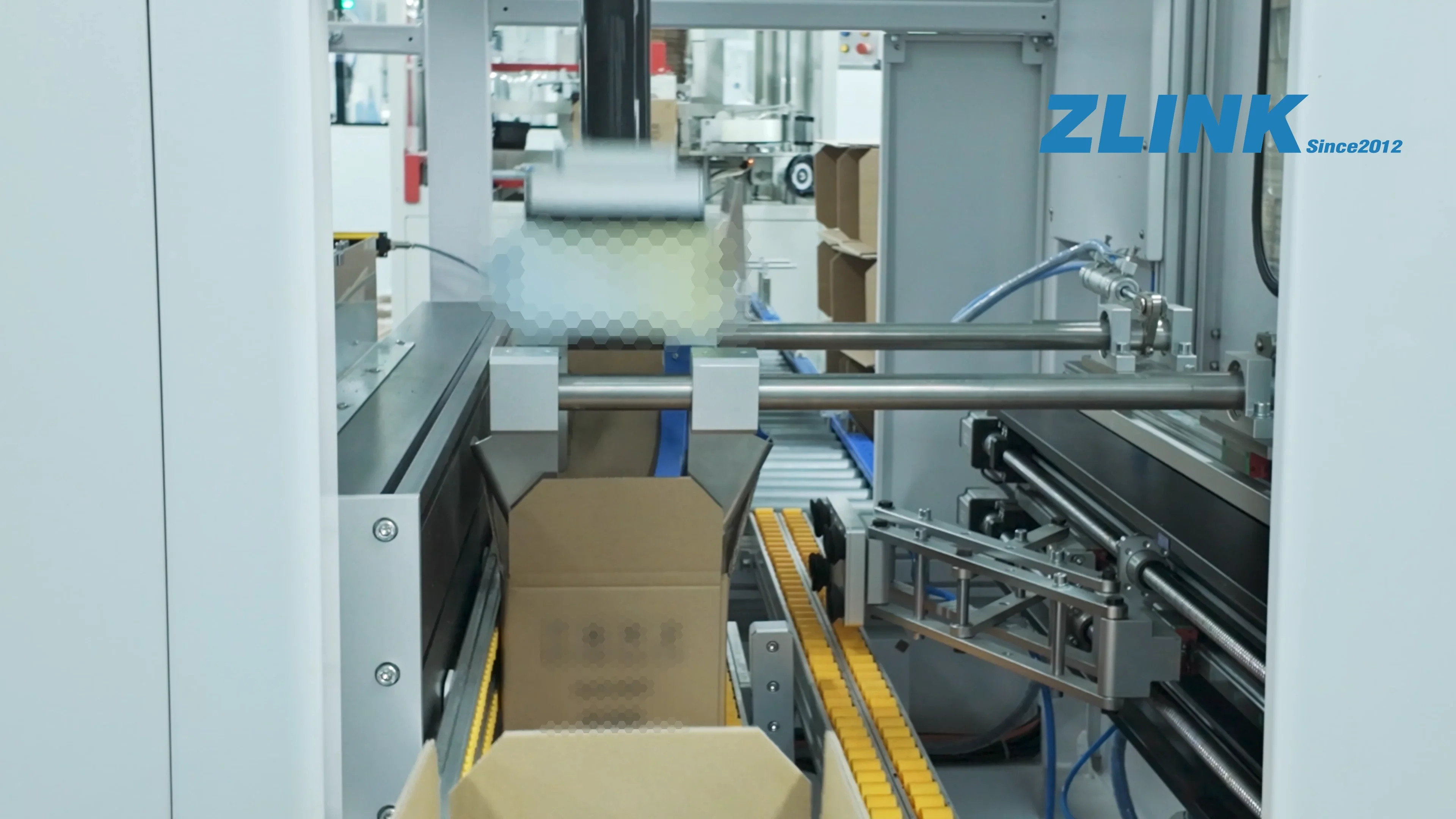
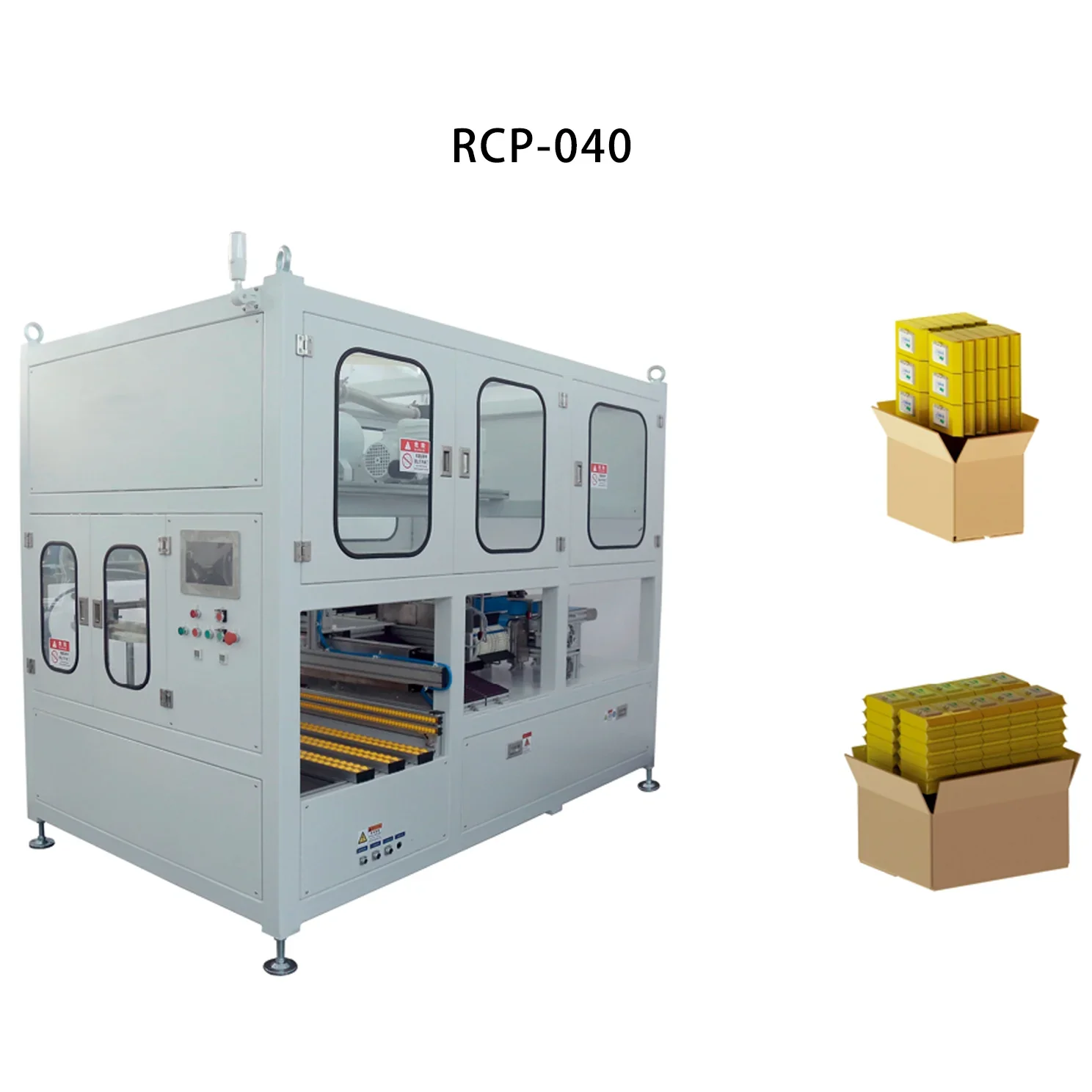
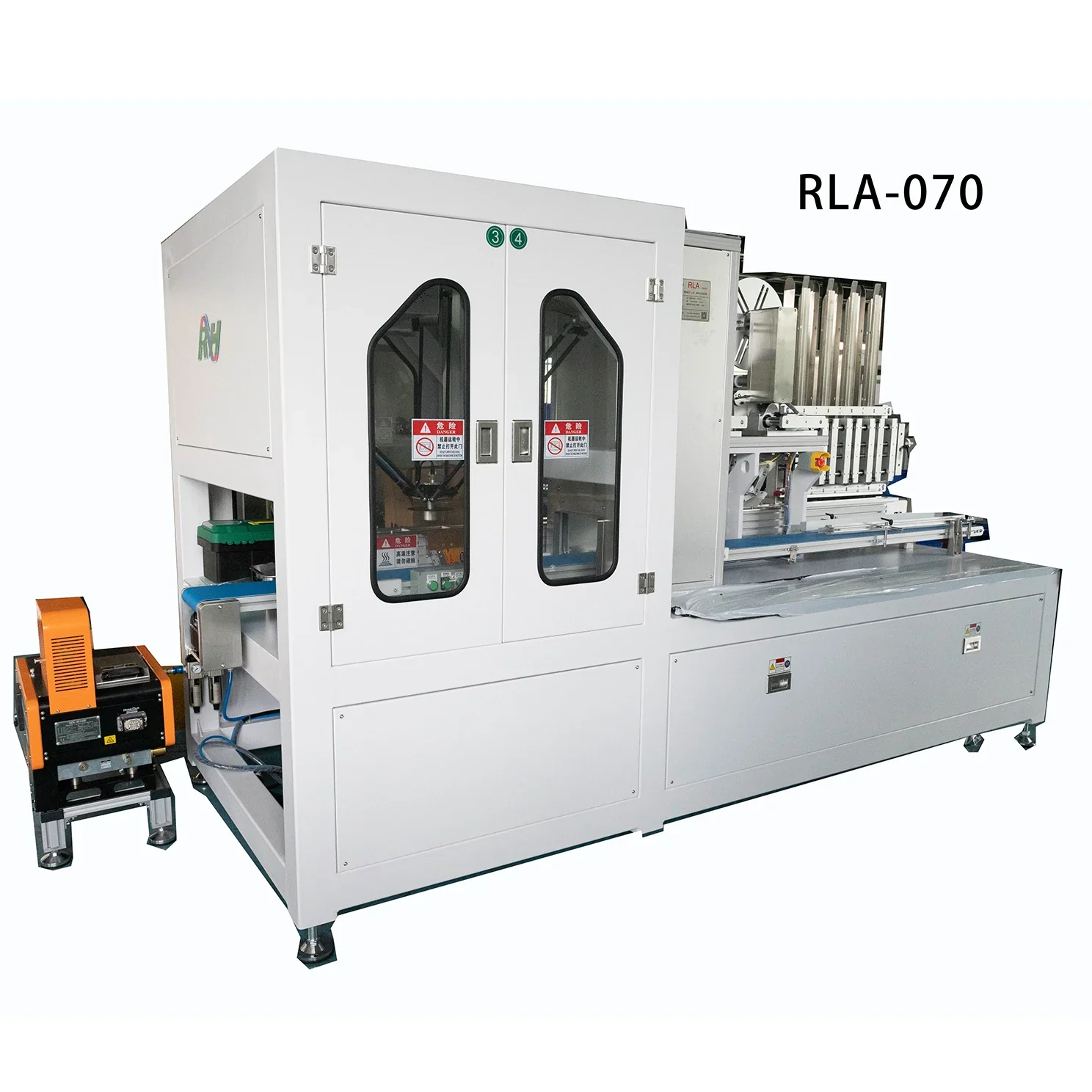
Different wipe products require different production structures. Cross-fold systems are commonly selected for compact packs with repeated dispensing needs, while flow-pack configurations are often used for larger household packaging formats. Some factories also require canister filling or lid application systems depending on product positioning. We usually discuss packaging dimensions, folding styles, material specifications, and workshop layout before equipment selection begins. This preparation helps avoid mismatched configurations during later installation stages. In addition, many manufacturers now consider automation compatibility when planning new projects. Functions such as robotic palletizing, automatic conveying, and digital monitoring can improve coordination between production and warehouse operations. When customers evaluate a wet wipes machine, they are often comparing not only packaging styles but also long-term maintenance access, spare part management, and future production expansion possibilities.
Conclusion: Practical Considerations for Equipment Selection
Selecting wipes production equipment involves more than checking basic specifications. Manufacturers often evaluate automation stability, workshop integration, maintenance convenience, and packaging adaptability before making purchasing decisions. ZLINK continue improving our production systems according to actual factory operating conditions and hygiene product manufacturing requirements. With increasing demand for diversified packaging and automated processing, production planning has become more detailed than in earlier years. For many hygiene product factories, a reliable wet wipes machine is now part of a broader manufacturing strategy that includes efficiency control, packaging consistency, and coordinated factory management.