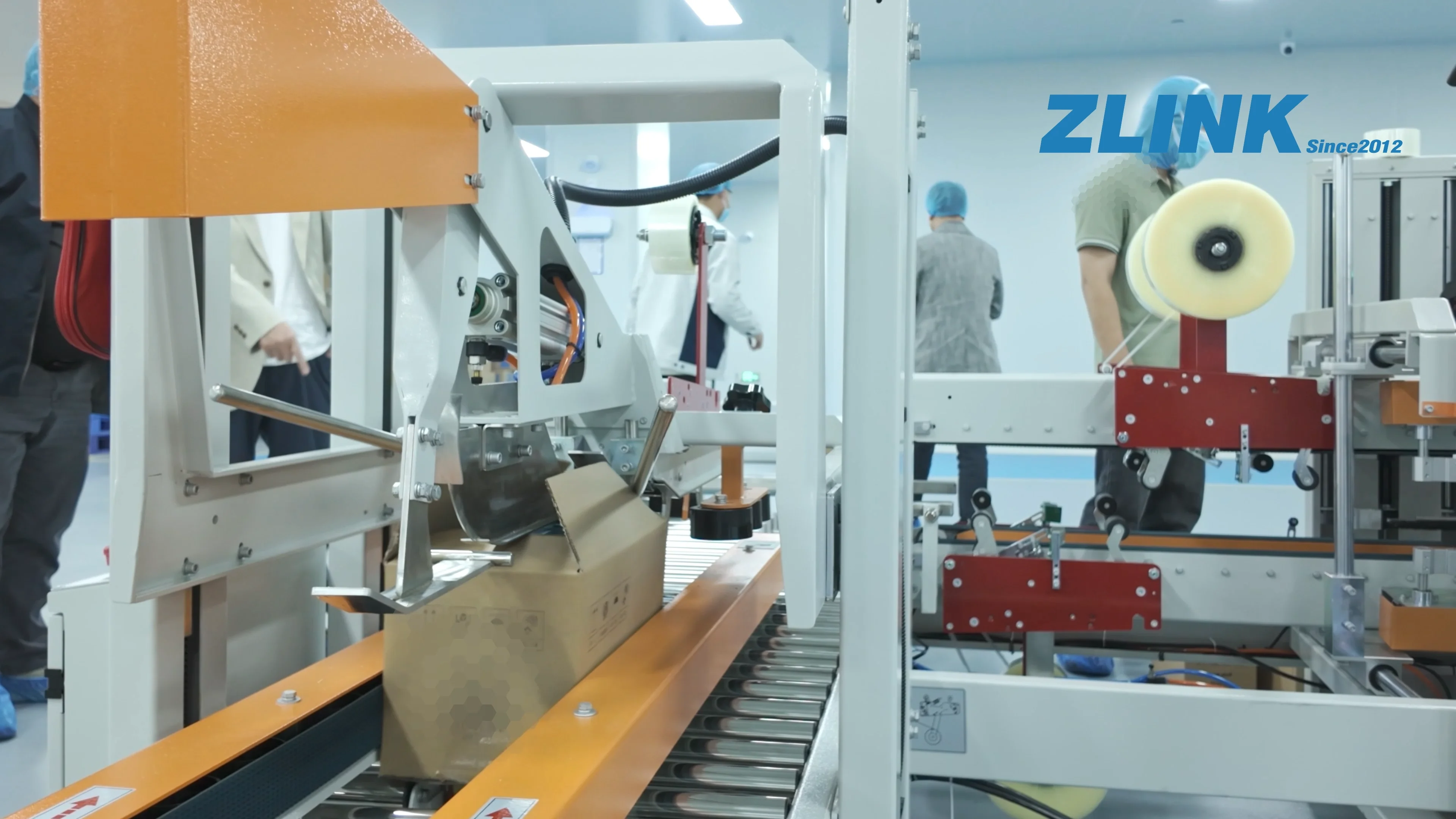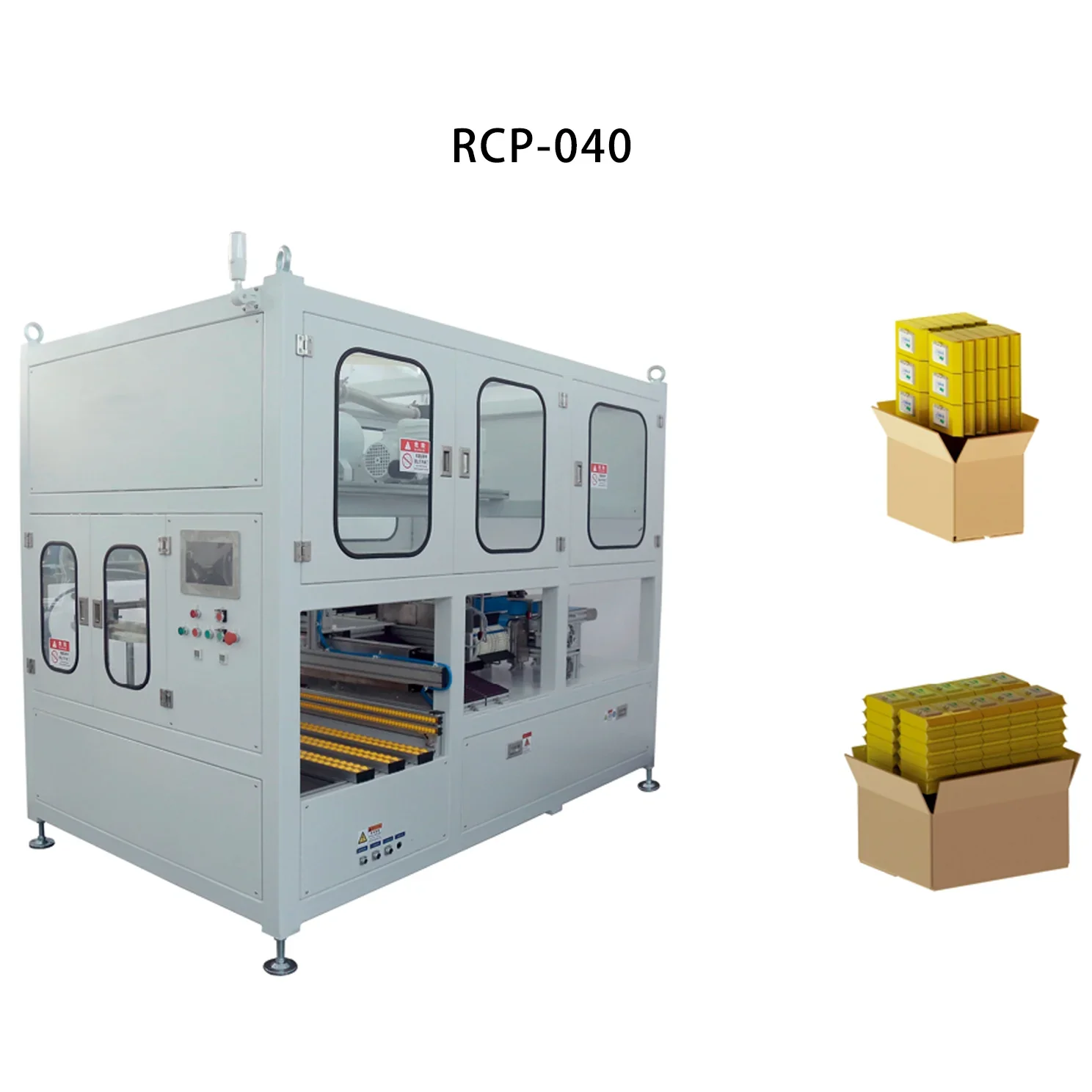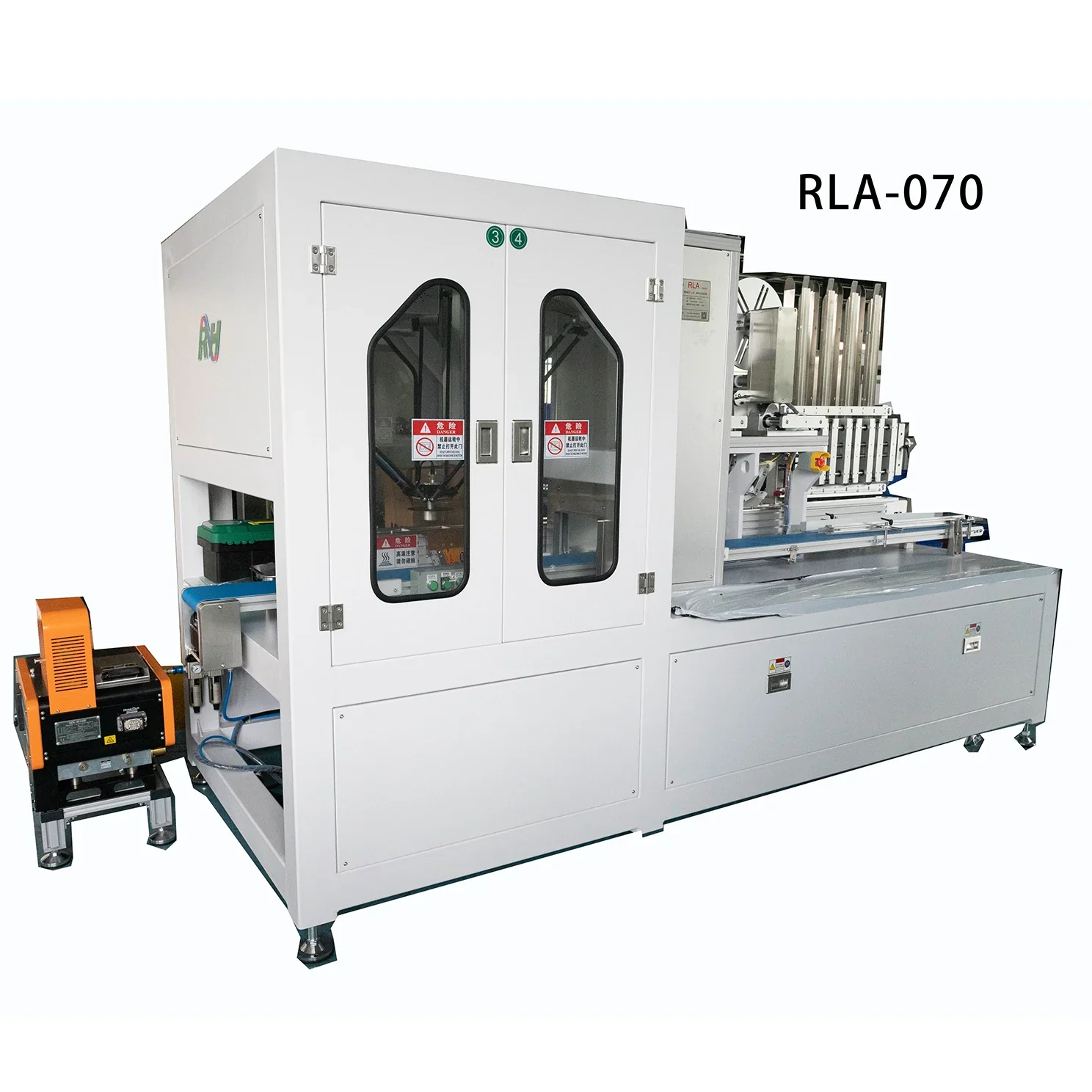








As production demand changes across the hygiene products industry, many manufacturers are reviewing how much installation space is required before investing in a new line. For companies planning a large-scale project, floor layout affects not only equipment placement but also material movement, operator access, and future expansion. As an industrial automation provider, ZLINK has worked with diverse factory environments where space planning directly influences long-term operational efficiency. In many cases, a wet tissue machine factory must evaluate ceiling height, workshop width, raw material storage, and downstream packaging requirements together rather than focusing only on machine speed.
Material Flow and Line Configuration
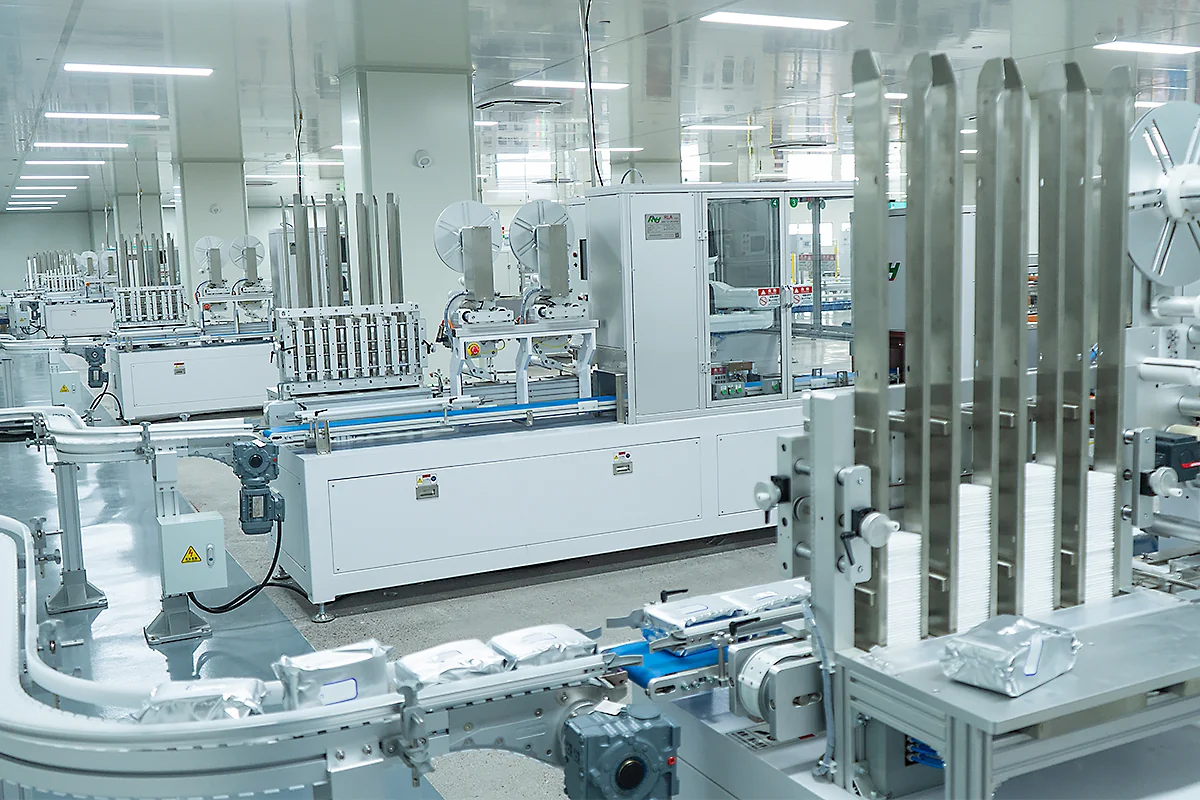
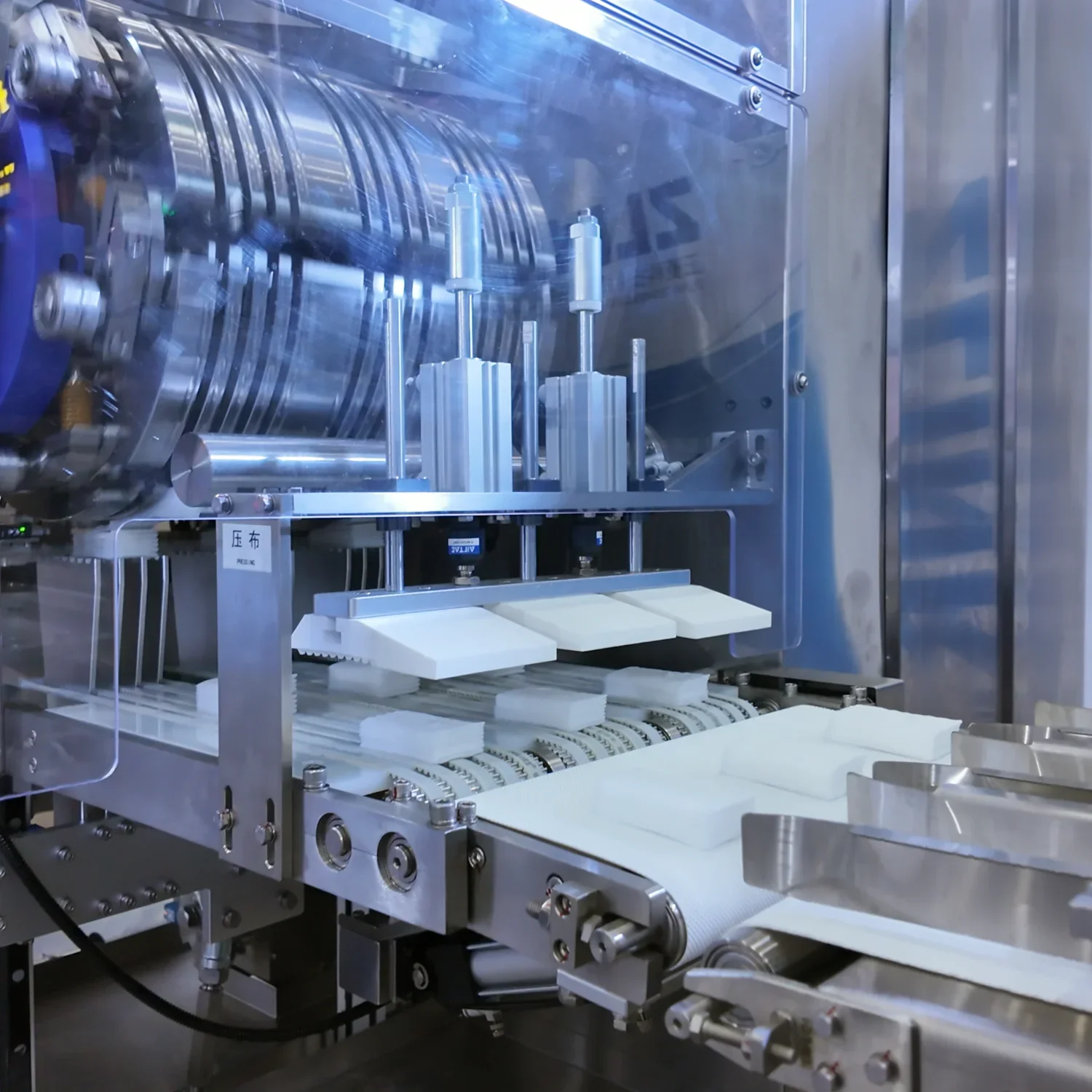
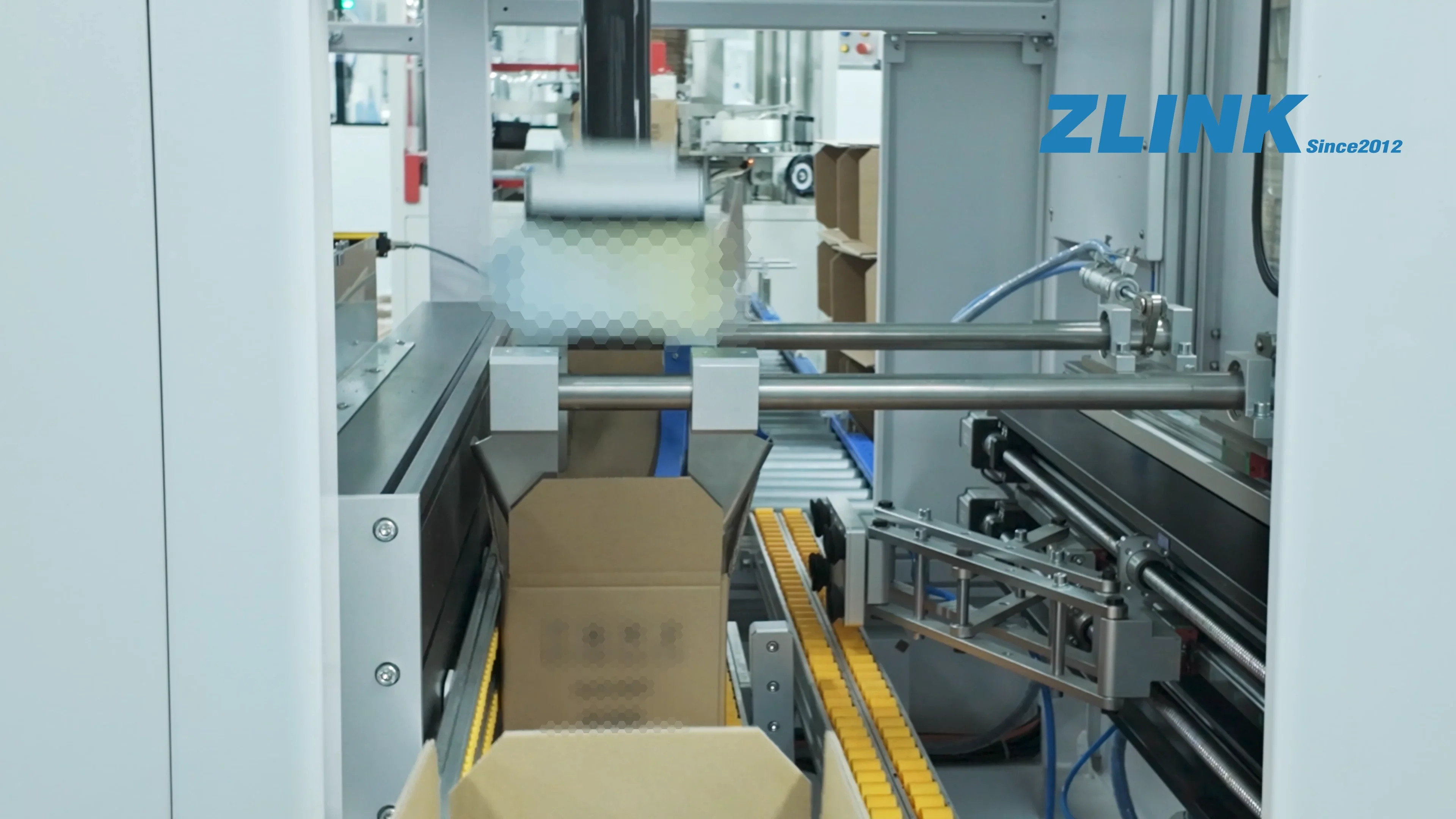
One important factor in floor space planning is the configuration of the production process itself. A high-speed wet wipes line normally includes unwinding, folding, liquid dosing, sealing, labeling, conveying, and packing sections. The arrangement of these modules determines whether the system follows a straight-line layout or a compact structure with turning conveyors. In our experience as a wet wipes machine manufacturer, production sites handling baby wipes or disinfecting wipes often require additional room for secondary packaging and pallet transfer areas. A smart manufacturing facility should reserve maintenance access zones around servo systems and control cabinets to support inspections without disrupting production flow.
Automation Requirements and Workshop Conditions
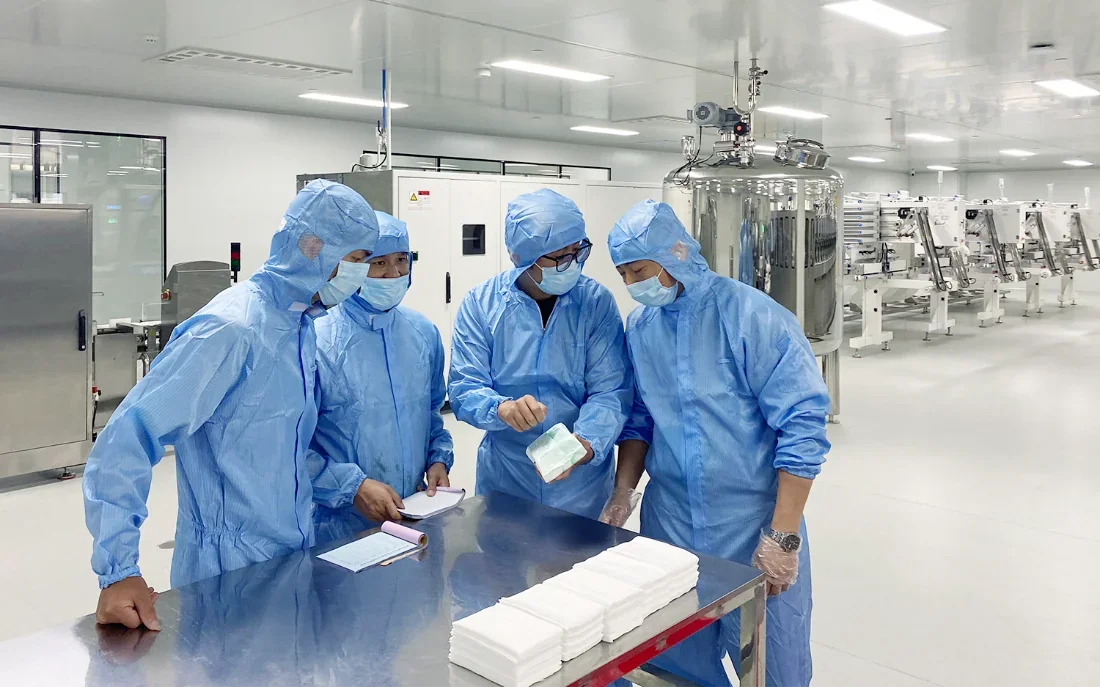
Automation level is another practical consideration when estimating workshop size. Lines integrated with robotic palletizing, automatic lid application, or AGV transportation systems usually require more open transfer space than semi-automatic setups. We also notice that humidity control systems, air circulation equipment, and clean production standards can influence the usable area inside a facility. For example, the WT-IF12-20HS high-speed baby wipes production line developed by ZLINK is designed for continuous operation with integrated automation modules, so customers normally evaluate both machine dimensions and surrounding workflow paths during project planning. In some projects, a wet tissue machine factory may choose modular placement methods to simplify future upgrades without rebuilding the entire workshop structure.
Production Targets and Future Expansion
Factory planning is often linked to expected production capacity over several years rather than immediate demand only. Companies entering the hygiene products market may begin with a single production line, while established wipes manufacturers sometimes prepare additional utility connections for future expansion. As a wet wipes machine manufacturer, we have seen that material storage areas, finished goods buffering, and logistics channels can occupy significant workshop space beyond the production equipment itself. In addition, a wet tissue machine factory usually considers operator movement, forklift traffic, and spare parts storage when calculating the final floor plan. These details help reduce congestion and support more stable production management during peak operating periods.
Conclusion: Space Planning Supports Long-Term Production Stability
Floor space planning for a high-speed wipes production line depends on several connected factors, including automation level, packaging configuration, material flow, and future capacity expectations. Instead of evaluating machine dimensions alone, manufacturers often review the complete production environment before installation begins. Through projects involving integrated wipes production systems, ZLINK continues to support customers that require organized layouts, automated workflows, and stable long-term equipment operation within modern hygiene product facilities.