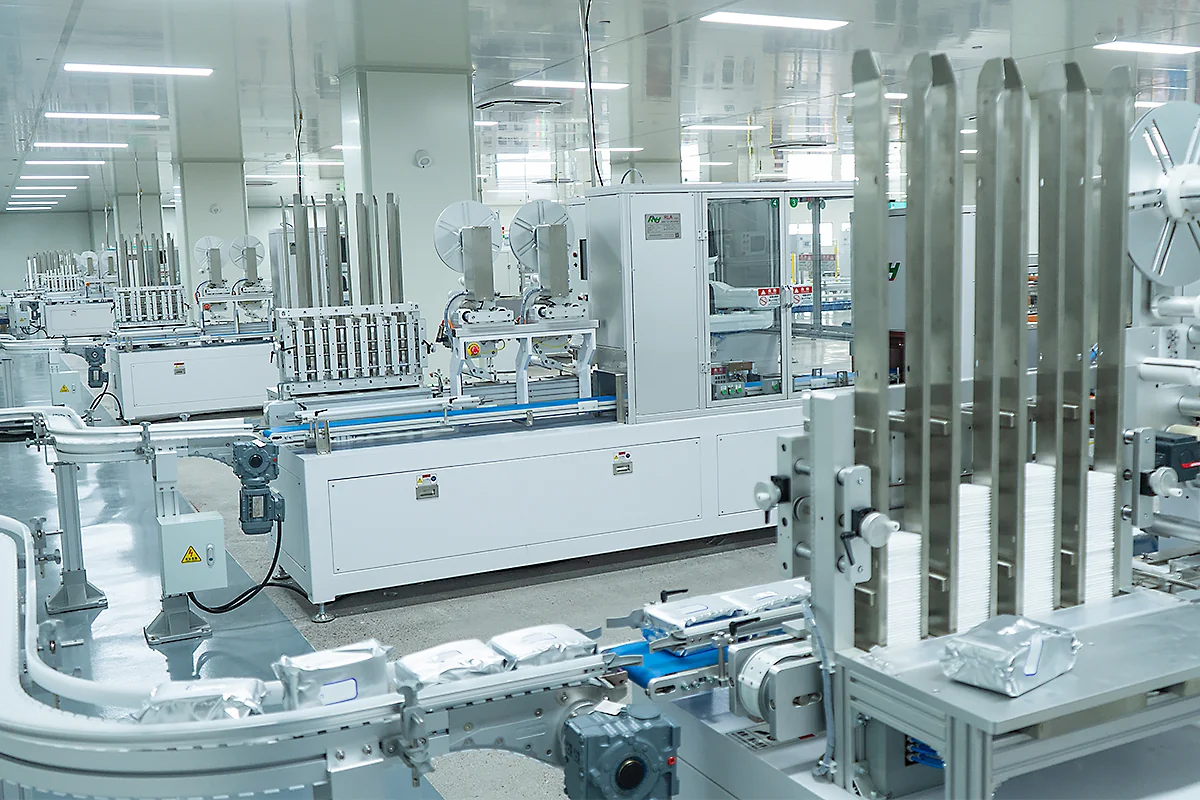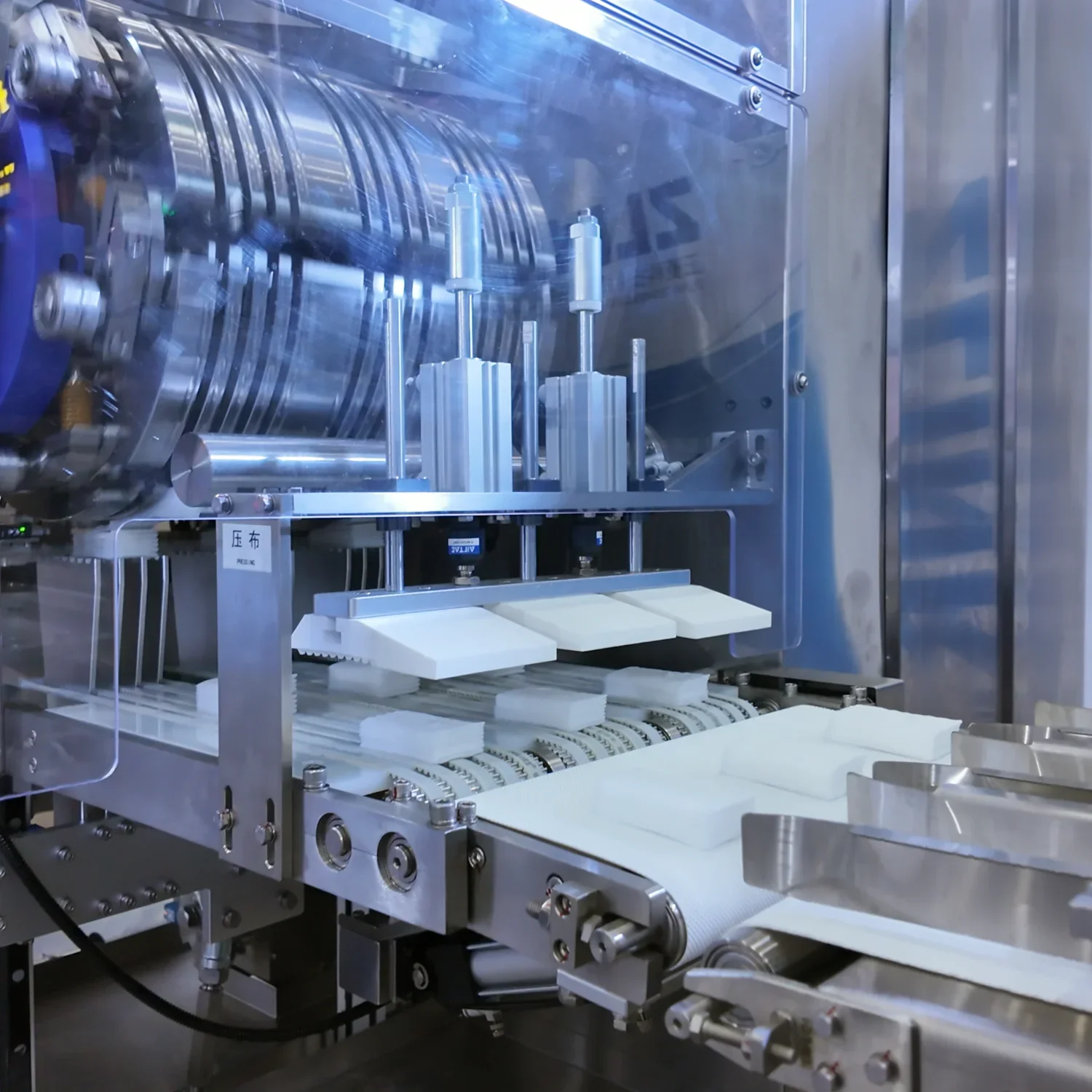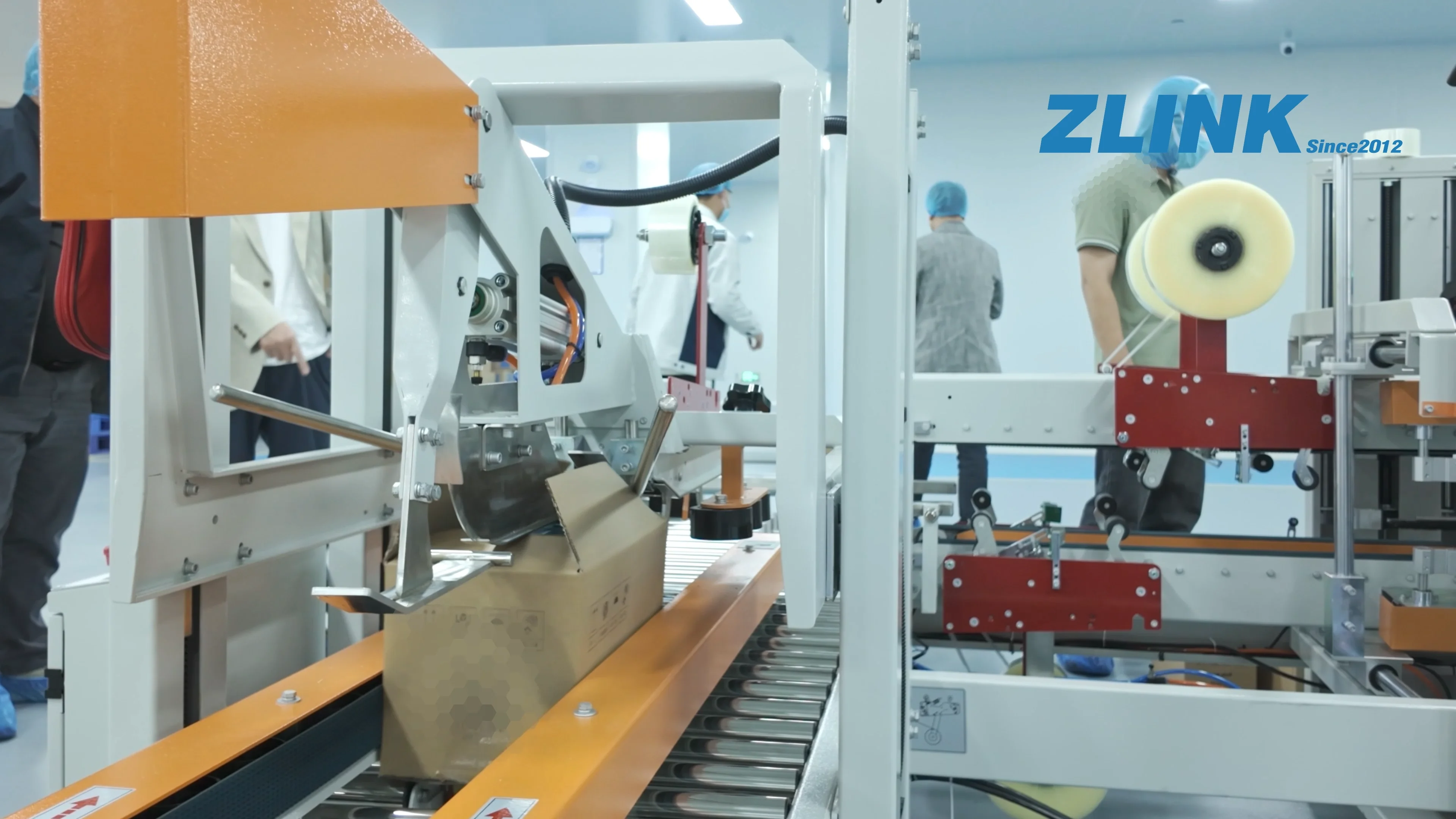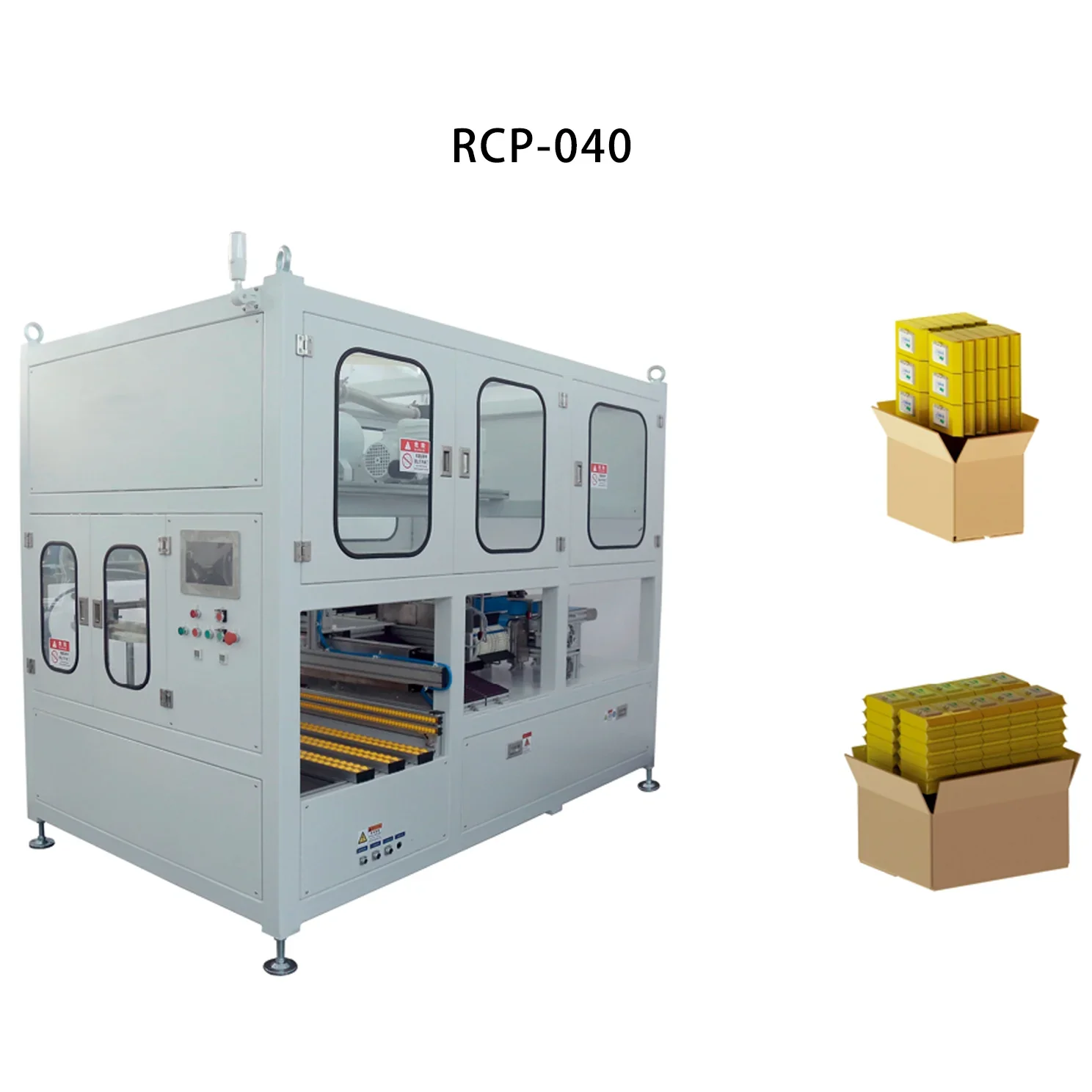








Choosing a high-speed production system is not only about output capacity. Factory owners should also evaluate assembly precision, maintenance access, automation planning, and long-term operational stability. At ZLINK, we often discuss these details with wet wipes manufacturers before equipment configuration begins. A production line may run for many years, so early planning can reduce adjustment work after installation. When companies compare a wet wipes making machine, they usually focus on production speed first, but packaging structure, material handling, and operator workflow are also practical factors that affect daily operation.
Understanding Production and Packaging Requirements
Before ordering equipment, buyers should confirm which product categories will be manufactured in the factory. Different wipe formats may require different folding systems, packaging styles, and sealing structures. For example, baby wipes, household cleaning wipes, and disinfectant wipes often use different film materials and moisture control methods. A supplier should clearly explain how the line adapts to these changes.
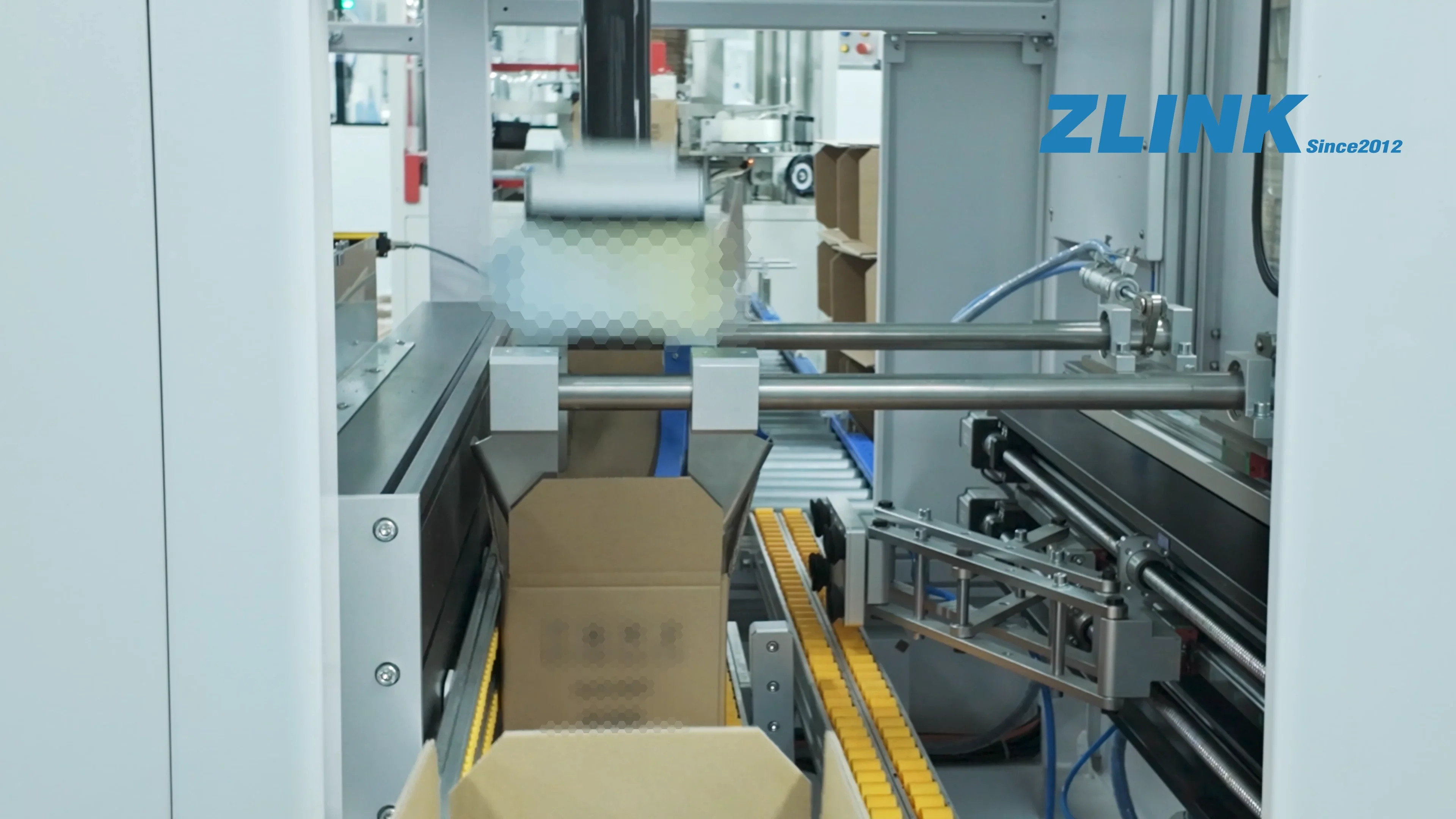
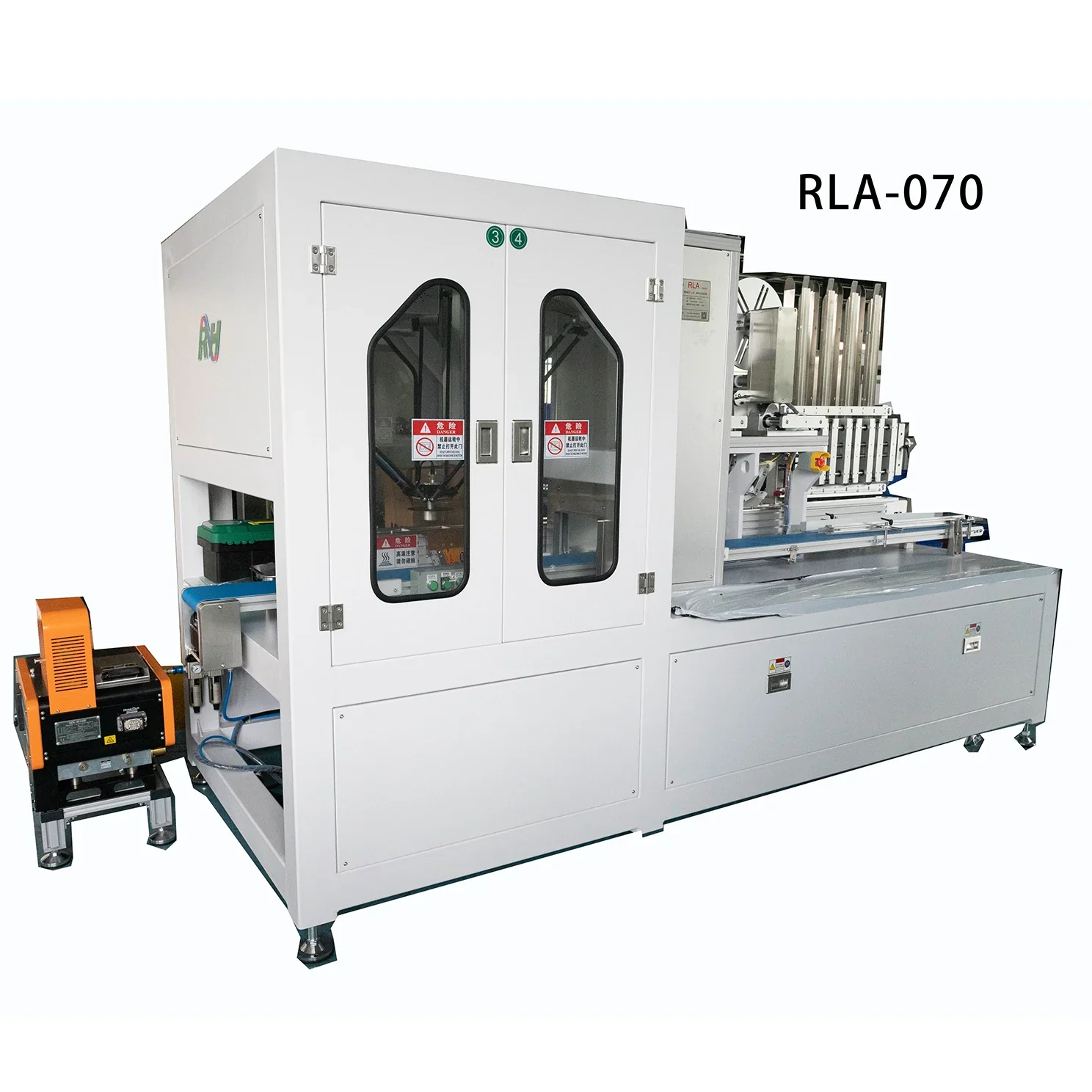
Our company also recommends checking whether the packaging section supports future expansion. In some factories, additional lid application systems are added after production volume increases. ZLINK provides packaging solutions such as the RLA-070-120 lid applicator, which is designed for automatic lid placement in wipe packaging lines. This type of system can help improve packaging consistency while reducing manual handling during production. When evaluating a wet tissue manufacturing machine, customers often benefit from understanding how upstream and downstream systems connect together instead of only reviewing one machine section.
Reviewing Automation and Maintenance Planning
Another important topic is maintenance access. High-speed equipment usually contains servo systems, conveyors, sealing units, and automatic inspection sections. If maintenance space is limited, daily cleaning and part replacement may become more difficult over time. We usually advise customers to review layout drawings carefully before finalizing equipment specifications.
Automation compatibility is another common discussion point. Some manufacturers may only need a semi-automatic process during the first production stage, while others may prepare for robotic palletizing or AGV transport in the future. In these situations, selecting a scalable wet wipes making machine can help factories adapt to production growth more smoothly. Buyers should also ask whether software systems support production monitoring, alarm management, and operational data collection because these functions are increasingly used in hygiene product manufacturing environments.
Checking Technical Support and Long-Term Operation
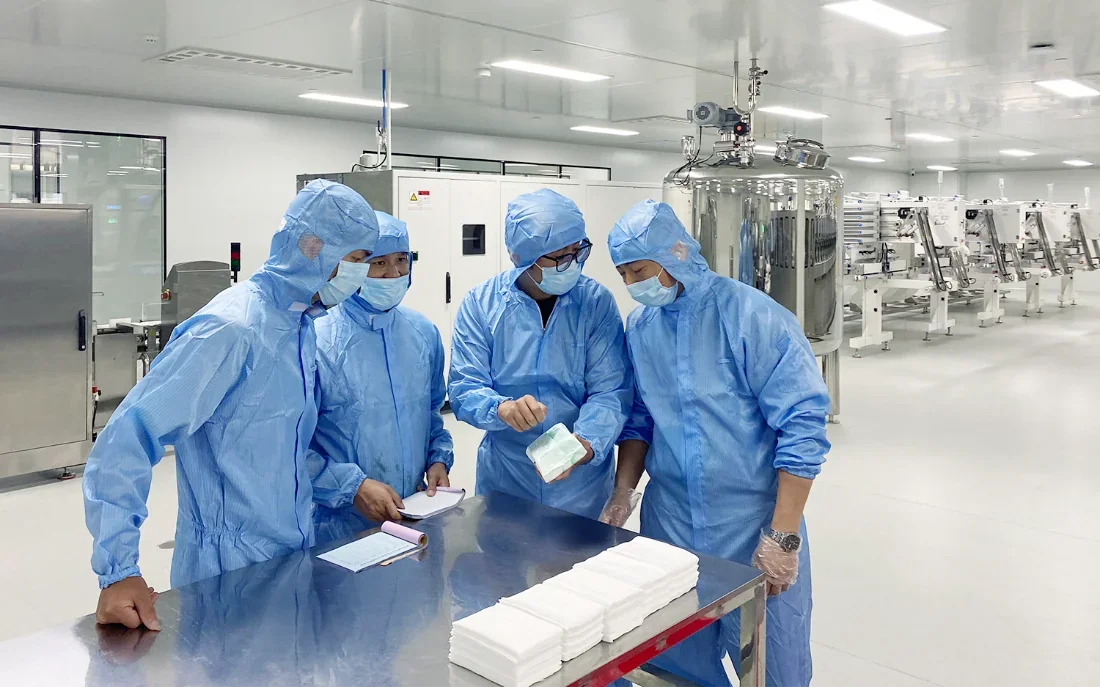
Technical support should also be discussed before placing an order. Installation guidance, operator training, spare parts management, and after-sales communication all affect long-term equipment operation. In our experience, many wet wipes manufacturers prefer equipment with stable structural design and standardized components because this helps reduce unexpected downtime during production cycles.
When reviewing a wet tissue manufacturing machine, customers may also ask about certification systems, electrical standards, and compatibility with local factory requirements. These details are especially important for manufacturers serving international hygiene product markets. At ZLINK, we focus on practical engineering communication during project discussions so that production lines can match actual factory conditions rather than relying only on general equipment descriptions.
Conclusion: Building a More Practical Purchasing Plan
Before investing in a high-speed automated production system, factories should review product types, assembly processes, maintenance planning, automation scalability, and technical support together. These factors often influence long-term production efficiency more than speed specifications alone. A suitable wet wipes making machine should fit both current manufacturing needs and future operational plans. Careful communication during the evaluation stage can help manufacturers develop a more practical and stable production arrangement for wet wipes projects.