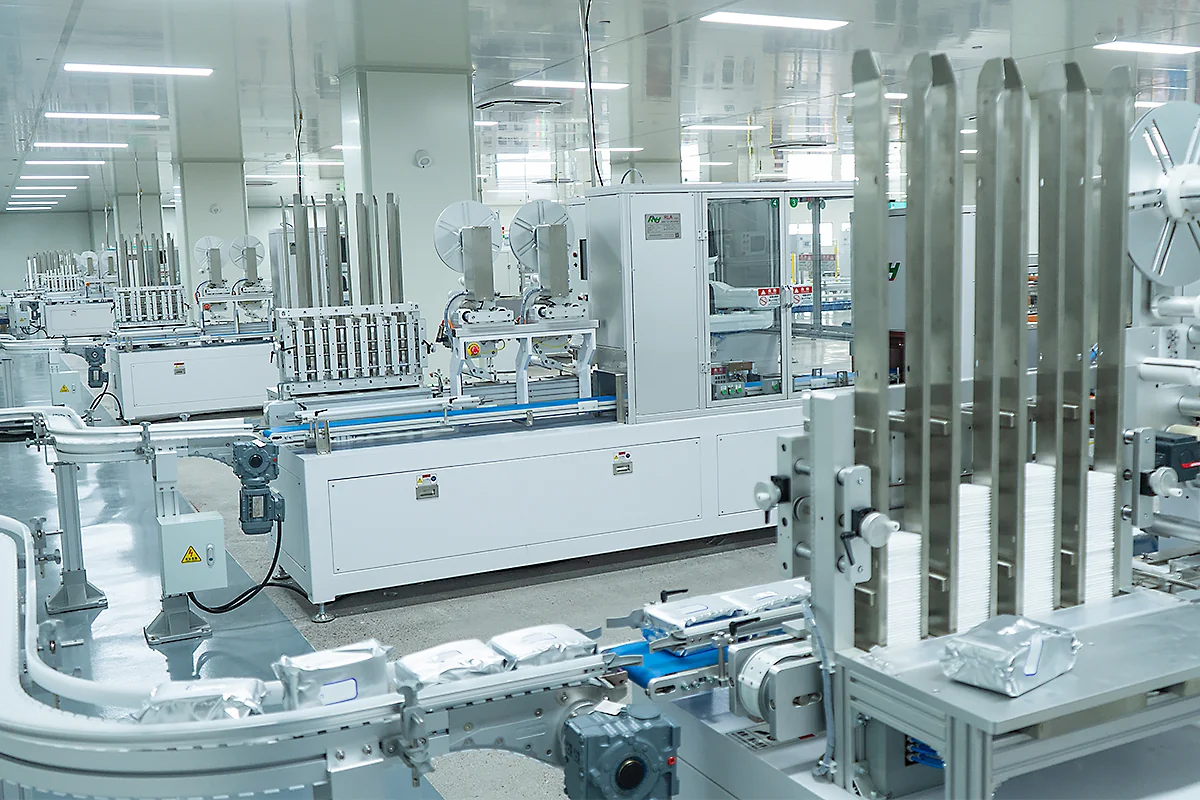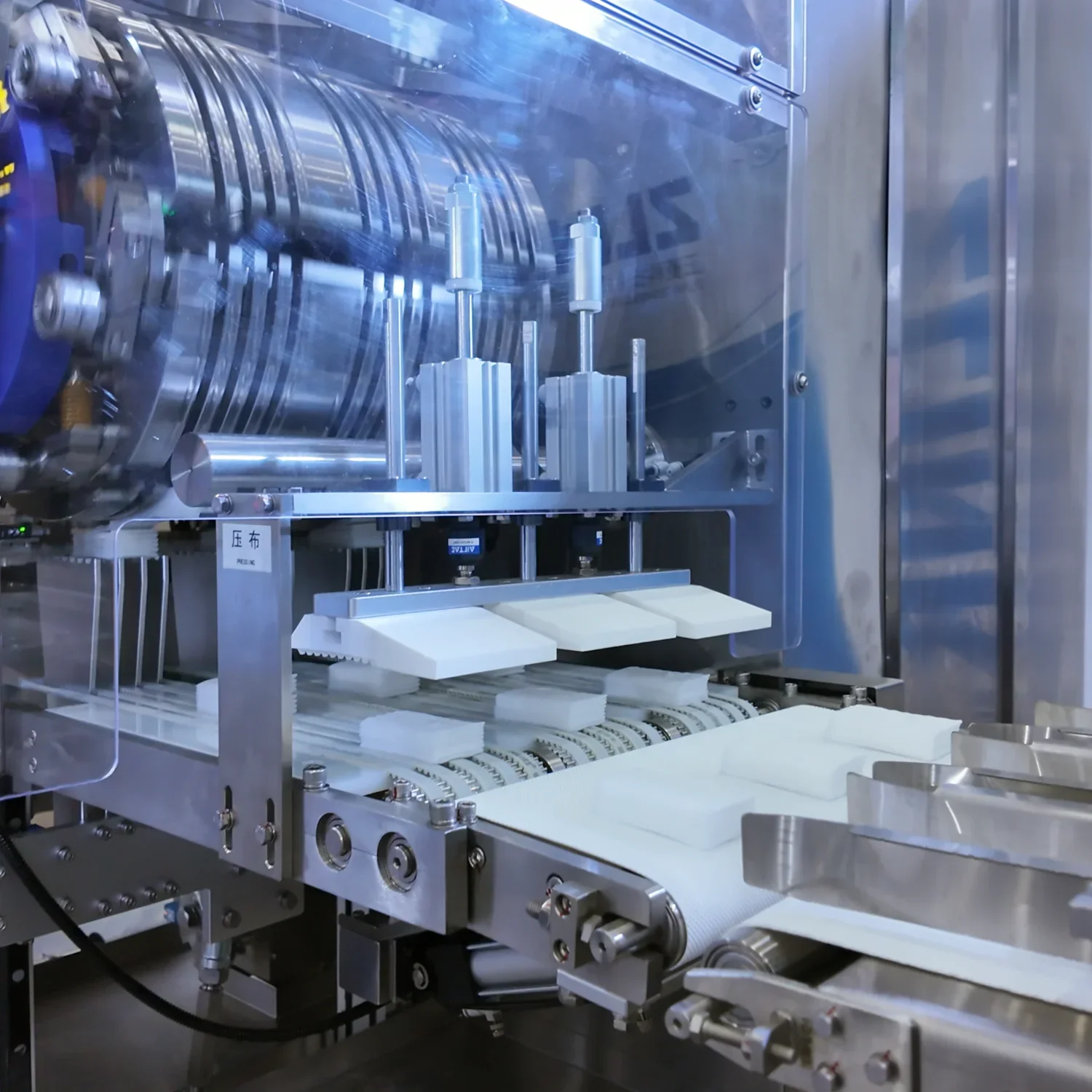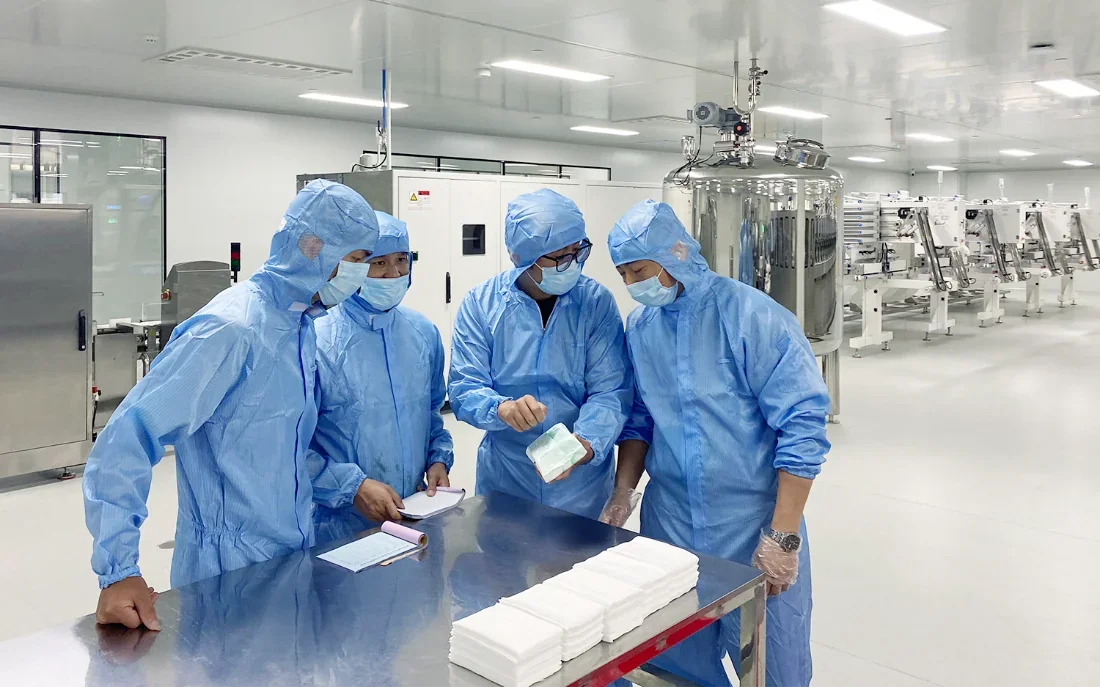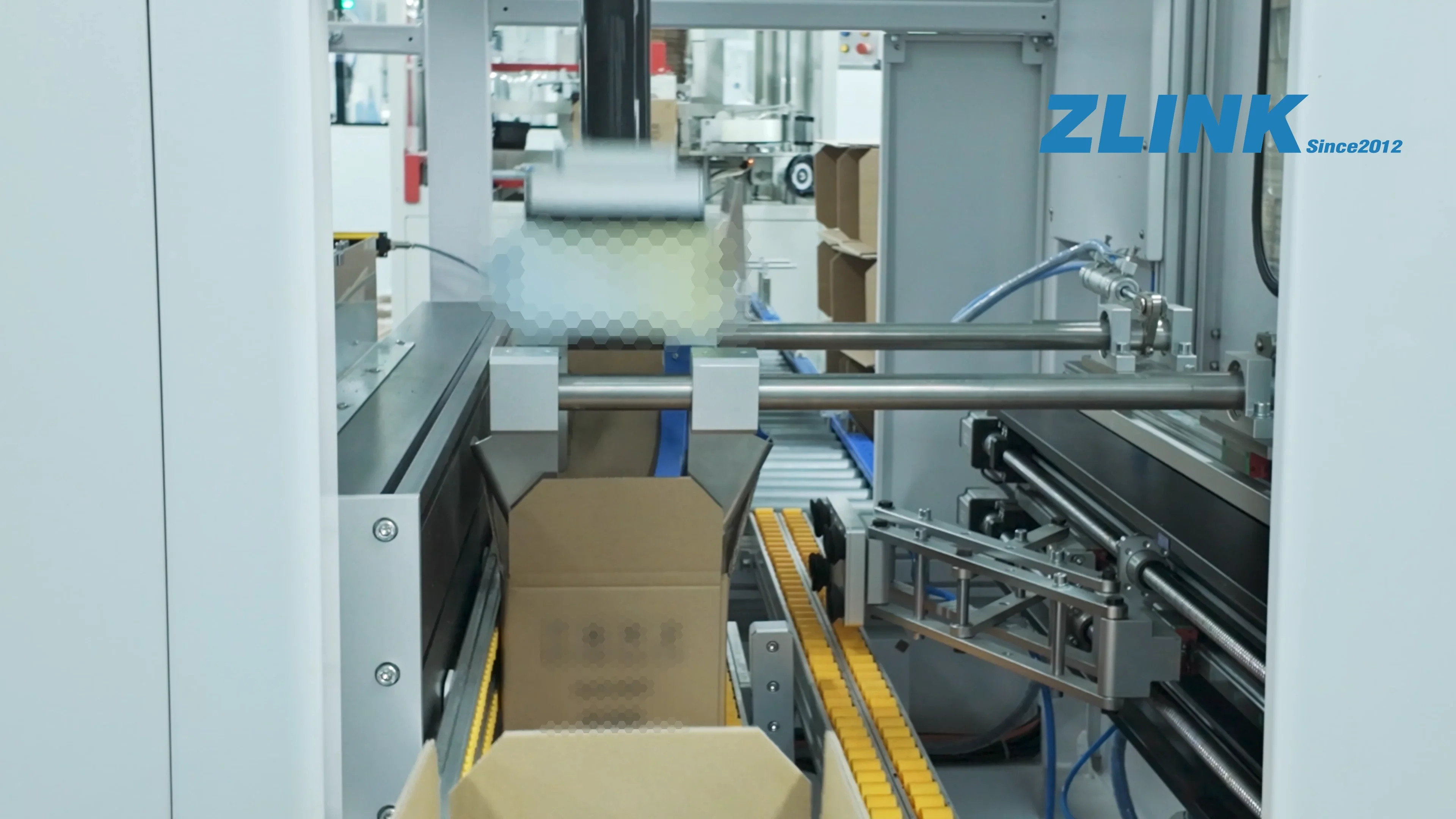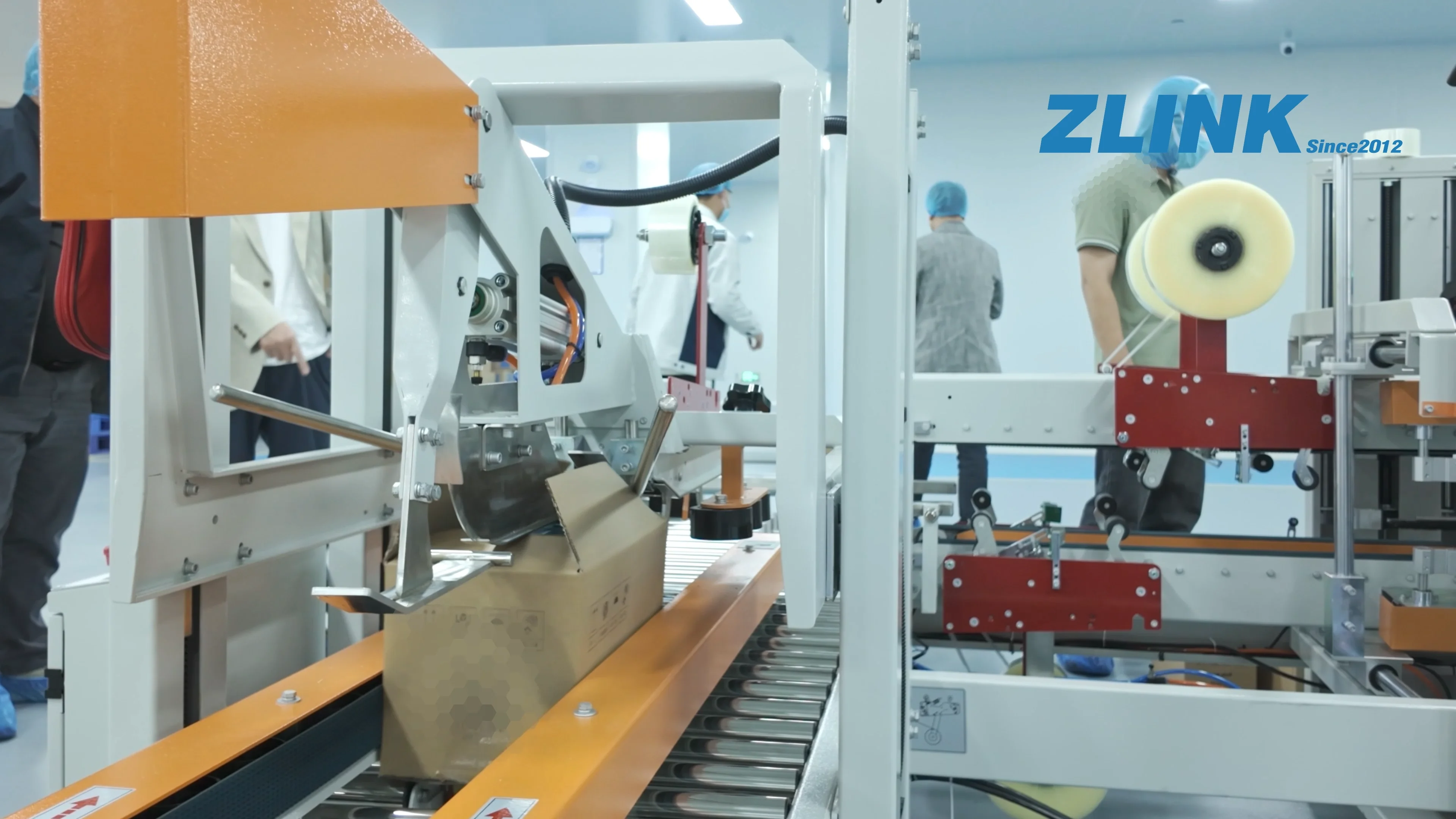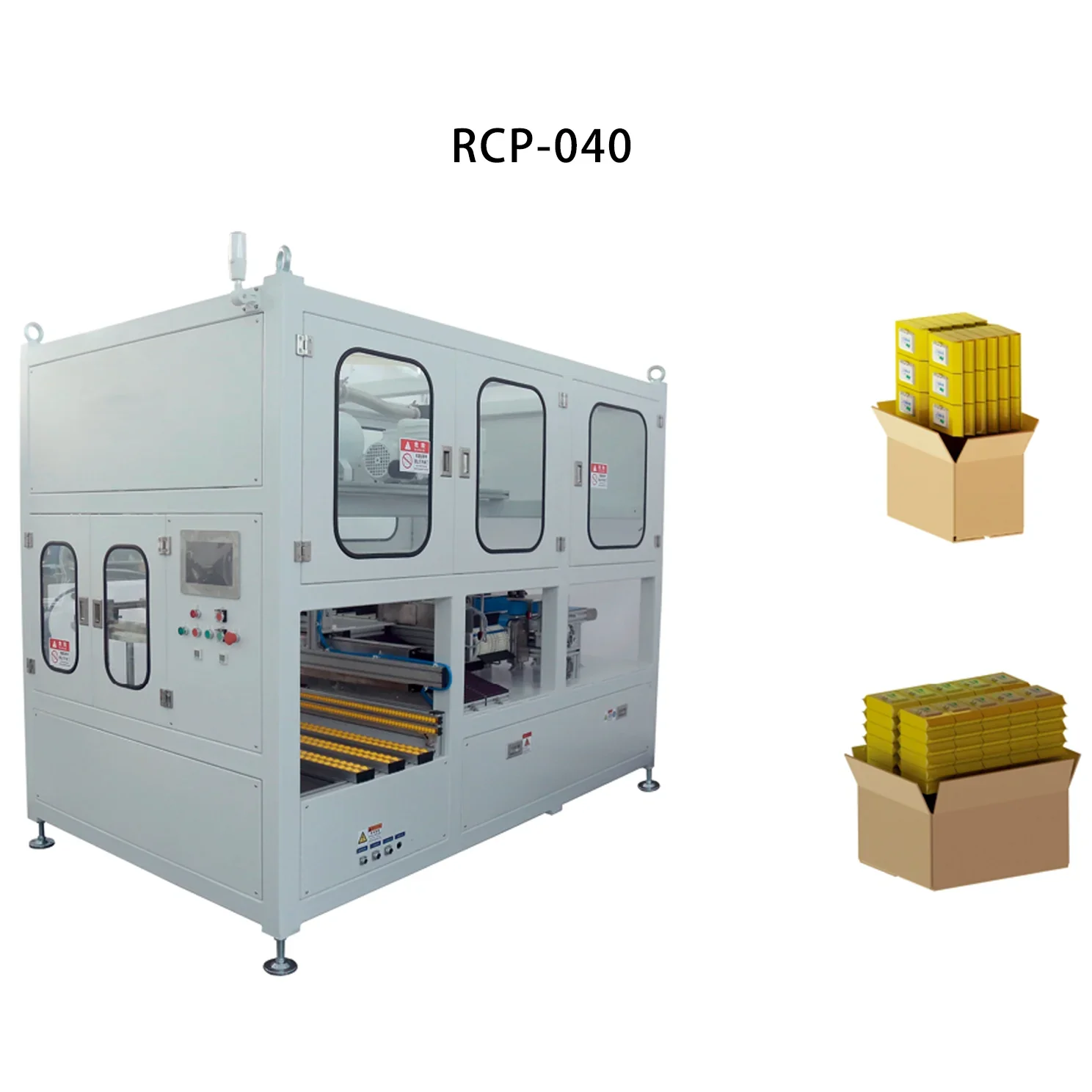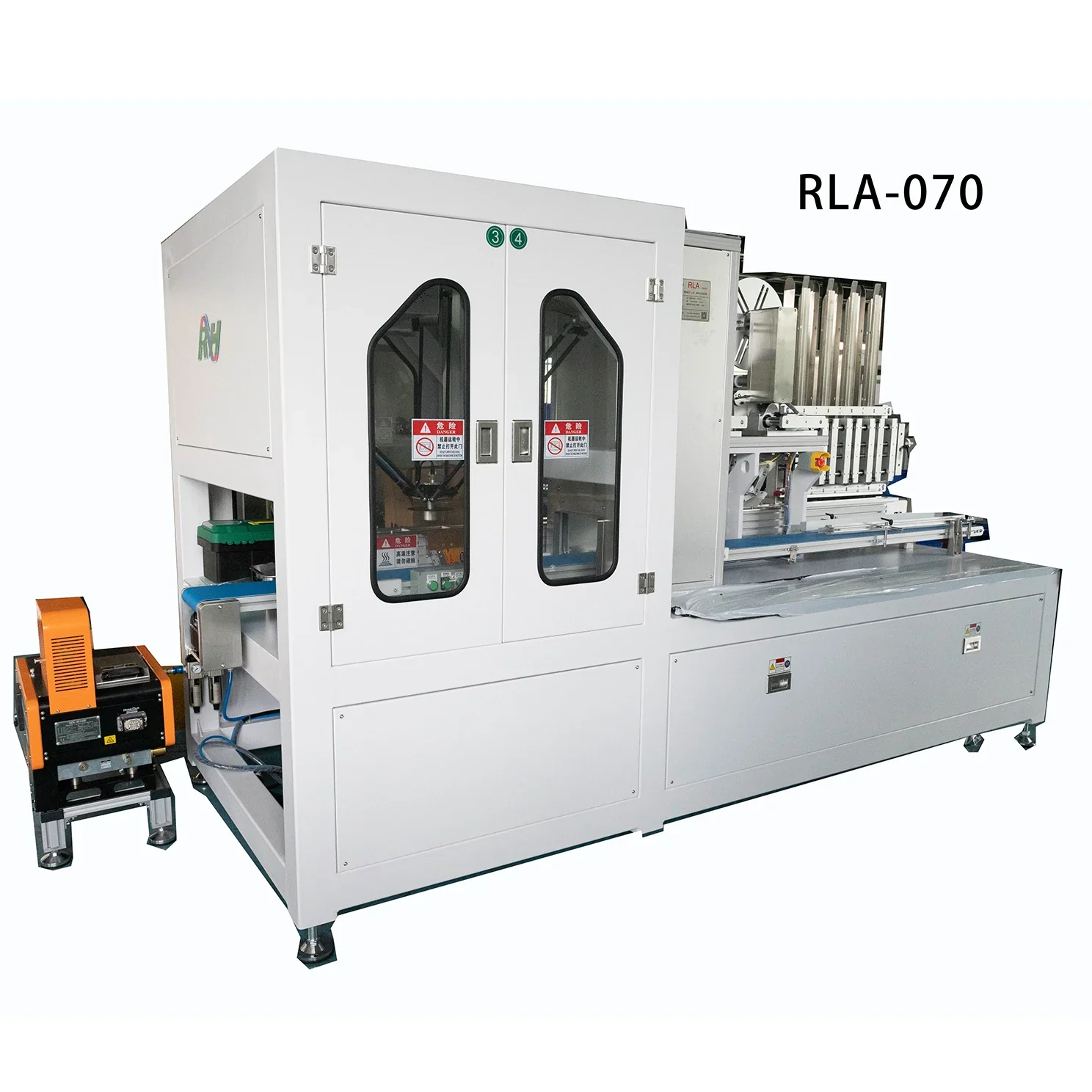








In large-scale wipes manufacturing, production continuity is closely related to material handling efficiency. When a production line stops during substrate replacement, operators may face delays, material waste, and unstable output rhythm. For this reason, many factories now pay more attention to whether a converting system can support continuous roll change during operation. As a wet wipes machine manufacturer, ZLINK focuses on production line integration for hygiene product factories, including equipment used for pet wipes packaging and folding processes. In our daily engineering work, we often discuss how automatic roll management can help maintain stable workflow conditions in continuous production environments.
Material Handling and Continuous Feeding
Continuous material switching refers to a system’s ability to handle different workpieces sequentially without stopping production. In practical production, this function helps reduce interruption time when raw material rolls reach their end position. For hygiene products such as pet wipes, uninterrupted feeding is important because repeated starts and stops may affect folding alignment and liquid distribution consistency. As a wet wipes machine manufacturer, we pay attention to the coordination between unwinding tension, servo control, and synchronization systems when evaluating continuous feeding performance.
In some compact production setups, operators also need efficient switching capability without increasing floor space significantly. ZLINK provides compact equipment configurations designed for flexible production workflows. For example, the WE-SF2 Supermini 3D Packing Wipes Production Line is designed for compact wipes packaging applications and supports automated production processes including folding, filling, sealing, and packaging integration. This type of configuration is often considered by factories handling small-batch or diversified wipe formats.
Production Stability in Flexible Packaging
When continuous roll change is integrated into a wipes line, the benefit is not limited to speed alone. Stable material transfer can also help reduce uneven tension during high-frequency operation. In pet wipes manufacturing, packaging appearance and sealing consistency are often connected to substrate stability before the filling stage begins. We therefore focus on coordination between servo-driven feeding units and automated correction systems during equipment design.
As a wet wipes machine manufacturer, we also observe that more factories are moving toward flexible manufacturing strategies. Production lines may switch between different wipe counts, bag structures, or packaging styles within the same workshop. Under these conditions, operators usually expect easier adjustment procedures and lower downtime during material replacement. In our experience, equipment designed with integrated automation systems can simplify these transitions while helping maintain production rhythm across different product types.
Conclusion
Continuous roll change has become an important consideration in modern wipes manufacturing because it is connected to efficiency, material utilization, and operational stability. In facilities producing pet wipes and other hygiene products, reducing unnecessary stoppage can support smoother packaging and converting processes. Through our work at ZLINK, we continue developing equipment configurations that support automated production flow while adapting to different packaging requirements in the wipes industry.