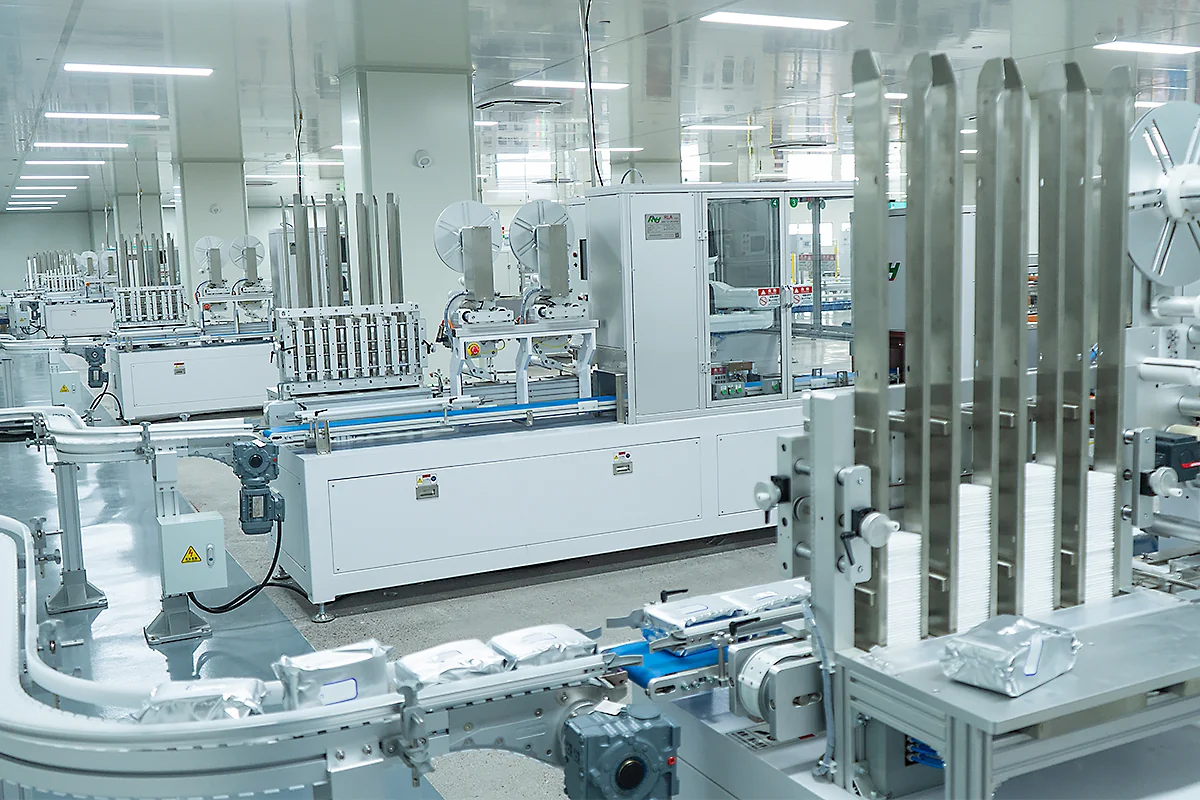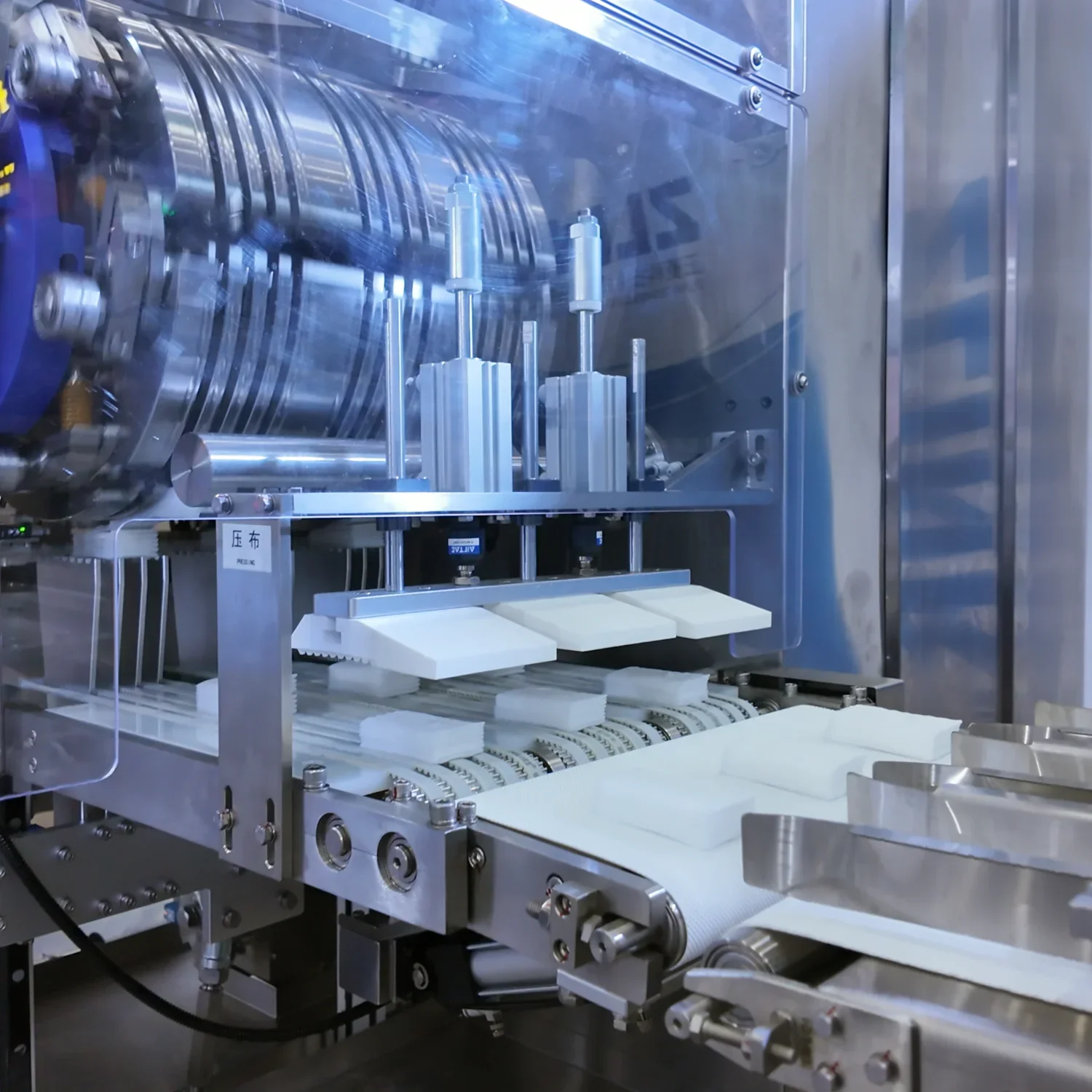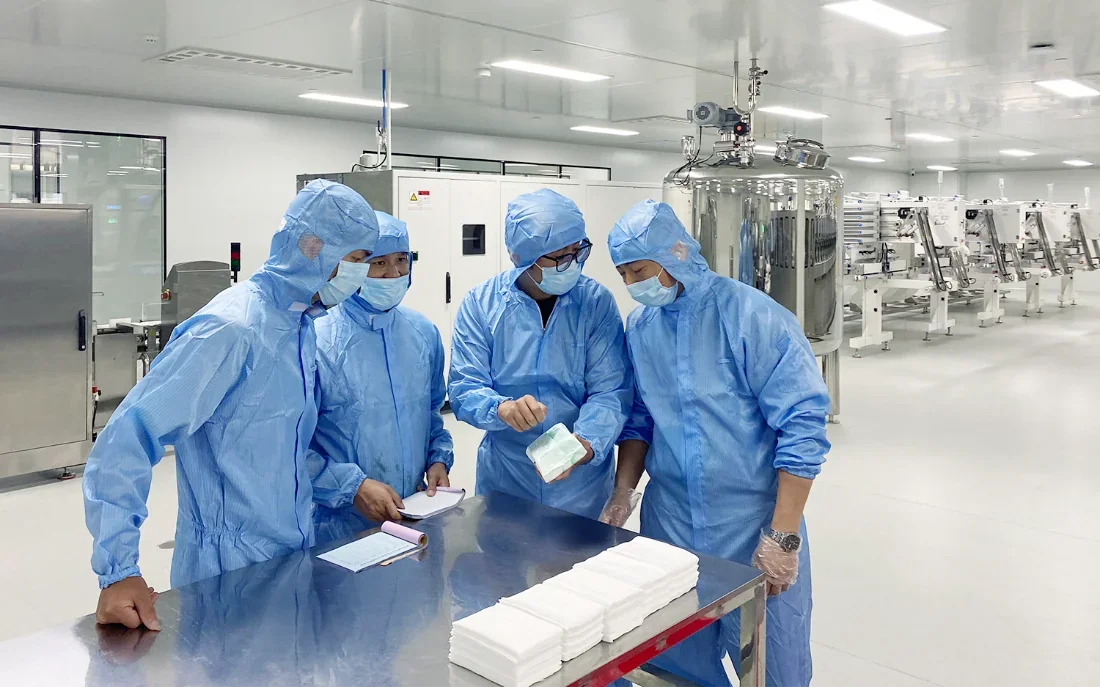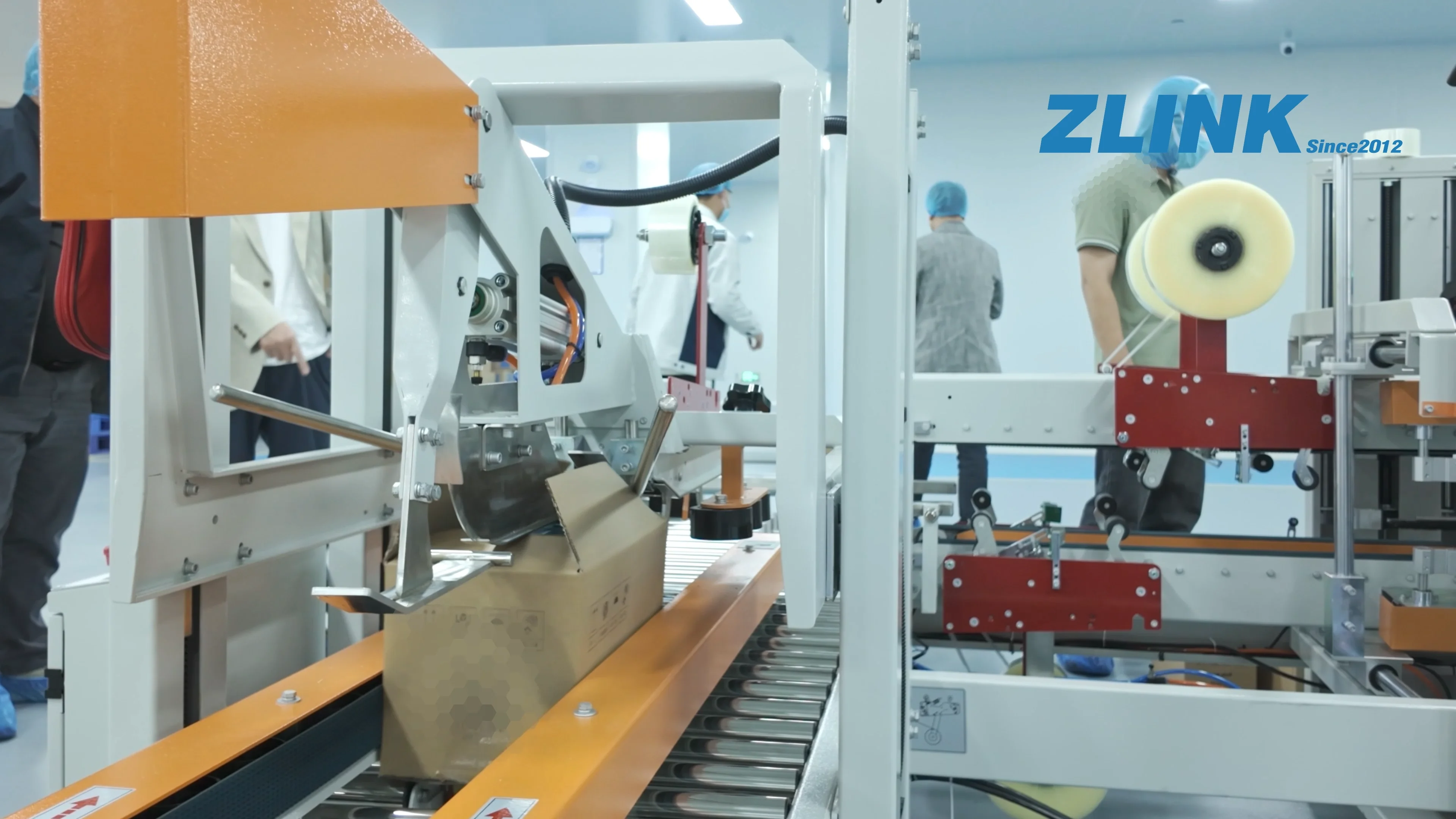








Factories operating automated wet wipes production lines often focus on throughput, labor efficiency, and process consistency, while daily maintenance management also plays an important role in long-term production stability. At ZLINK, we regularly discuss spare parts planning with customers that operate different forms of wet wipe machinery in hygiene product factories. A clear inventory strategy helps reduce unexpected downtime during shift changes, material replacement, or mechanical wear. Production managers usually pay close attention to cutting systems, sealing assemblies, sensors, pneumatic components, and conveyor-related accessories because these parts experience continuous movement during operation. In many cases, maintaining a structured spare parts list can also support faster troubleshooting and more stable output during peak production periods.
Daily Wear Components and Replacement Planning
Many wipes factories organize spare parts into short-term and long-term categories. Short-term items usually include sealing knives, belts, bearings, suction cups, filters, and photoelectric sensors. These components may require regular replacement depending on production volume and material conditions. For facilities using multi-lane converting equipment, pneumatic fittings and servo-related accessories are also commonly monitored during scheduled maintenance checks. We have seen that factories operating around the clock often prepare replacement stock based on machine working hours rather than waiting for visible wear.
In our projects, we also recommend documenting maintenance cycles for each production line. This approach allows engineers and operators to identify repeated component stress before it affects packaging quality. Some purchasing teams also communicate directly with wet wipe packaging machine wholesalers to confirm delivery schedules for consumable parts, especially when importing equipment across regions. Stable spare part access is important because delayed replacement may interrupt carton packing, labeling, or sealing processes that depend on synchronized movement.
Packaging Area Support and Equipment Coordination
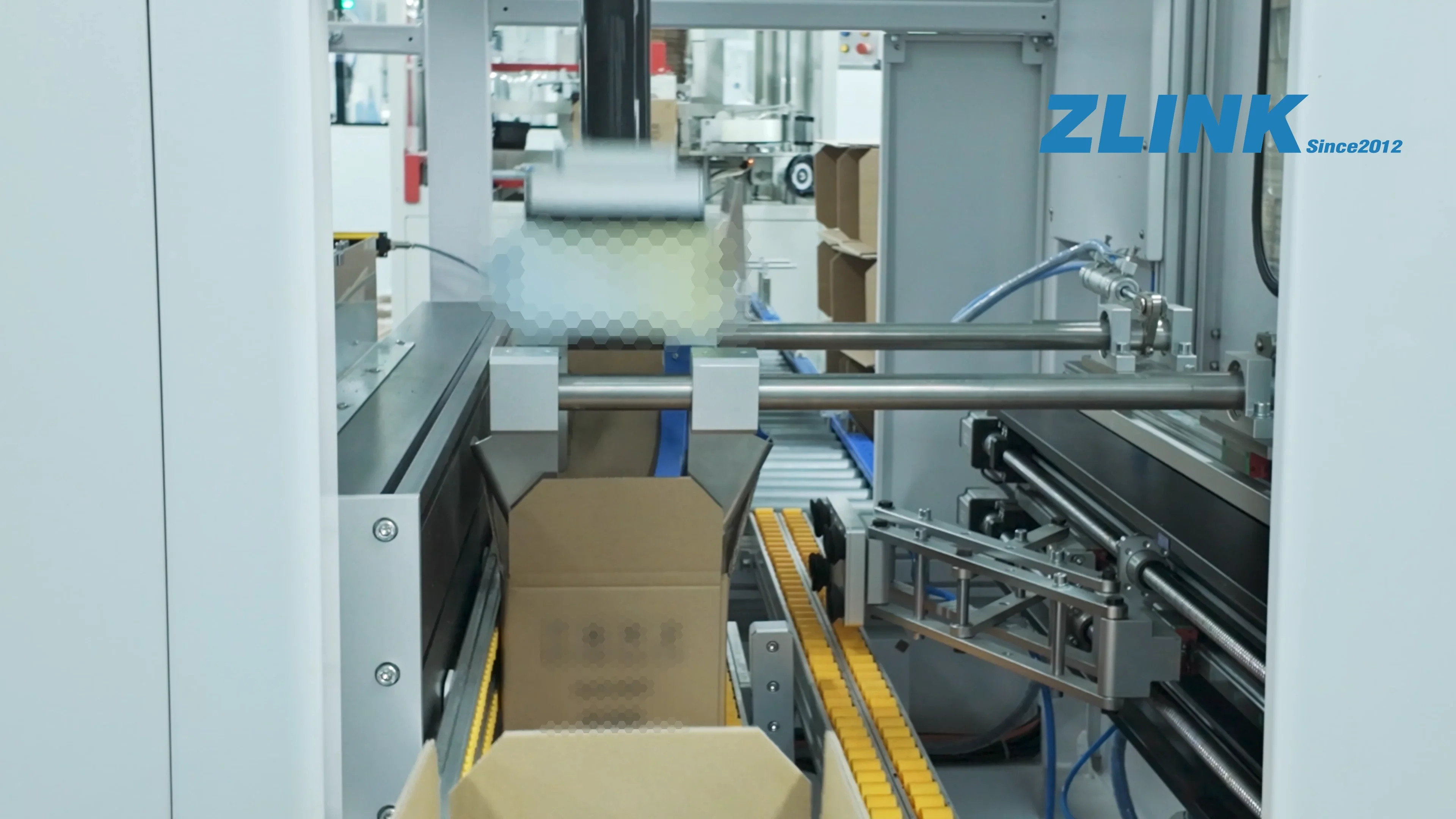
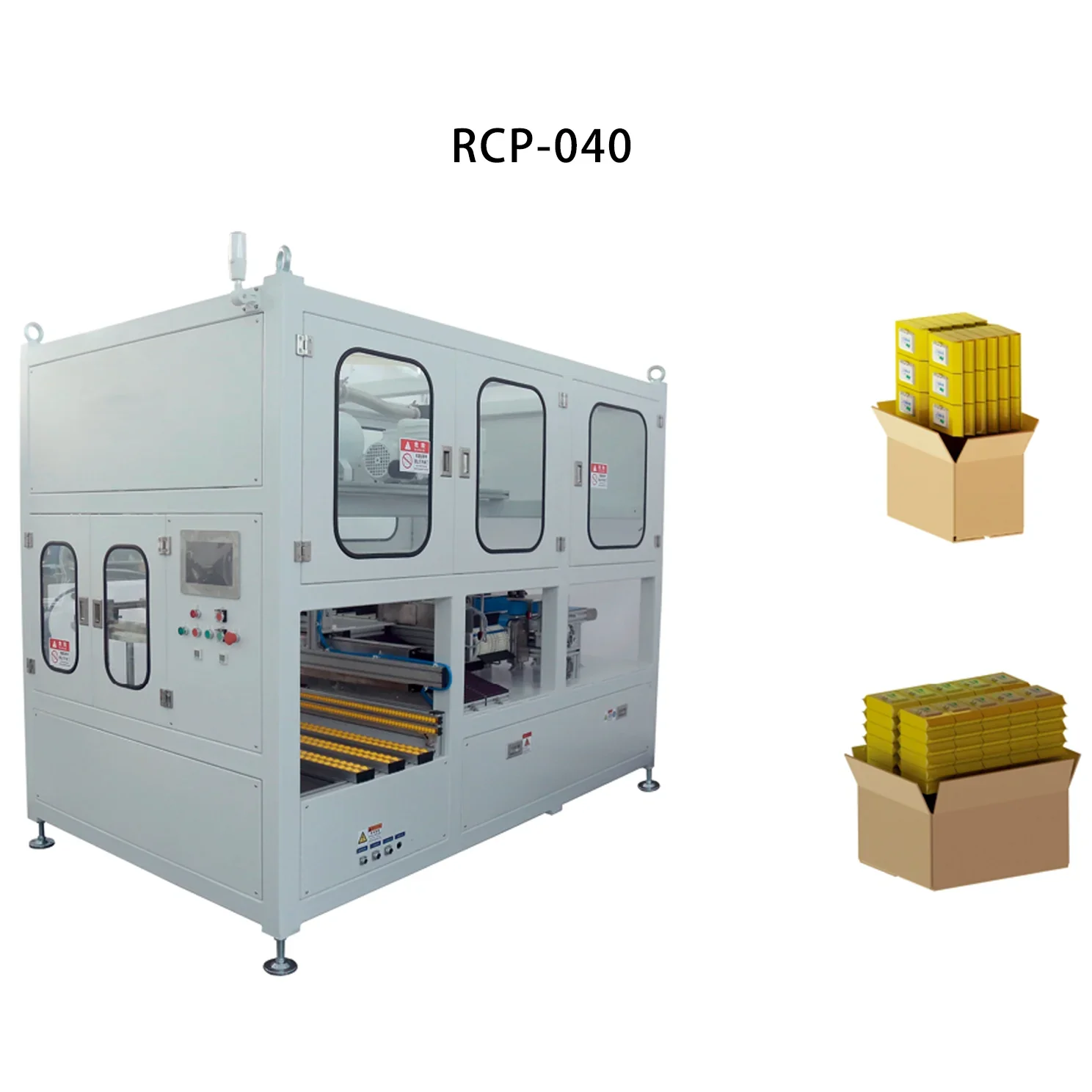
Packaging sections often require a different spare parts strategy compared with converting systems. Carton forming units, robotic handling devices, and automatic case packers involve coordinated motion between conveyors, positioning sensors, and pneumatic assemblies. Our RCP-040 automatic case packer is designed for integrated backend packaging applications where boxed wipes products are automatically arranged and loaded into transport cartons. In this type of system, spare vacuum components, alignment guides, and motion control accessories are typically prepared in advance to support continuous operation.
At ZLINK, we also encourage factories to keep organized records for electronic components such as HMIs, relays, and communication modules. Although these parts may not require frequent replacement, maintaining backup inventory can help reduce downtime caused by PLC communication errors, sensor signal instability, or servo control interruptions. Some factory managers that cooperate with wet wipe packaging machine wholesalers also review packaging material specifications together with spare parts planning because unstable carton dimensions or film tension may increase wear on moving assemblies over time.
Conclusion
A practical spare parts inventory is not simply a storage list. It is part of production planning, maintenance management, and packaging stability. Factories operating wet wipe machinery usually benefit from preparing wear components, pneumatic accessories, and selected electronic backups before production interruptions occur. We believe spare parts planning should match real operating conditions, packaging structure, and maintenance schedules rather than relying on general estimates alone. This approach can help wipes manufacturers maintain smoother production coordination across converting and packaging stages while supporting long-term equipment use.