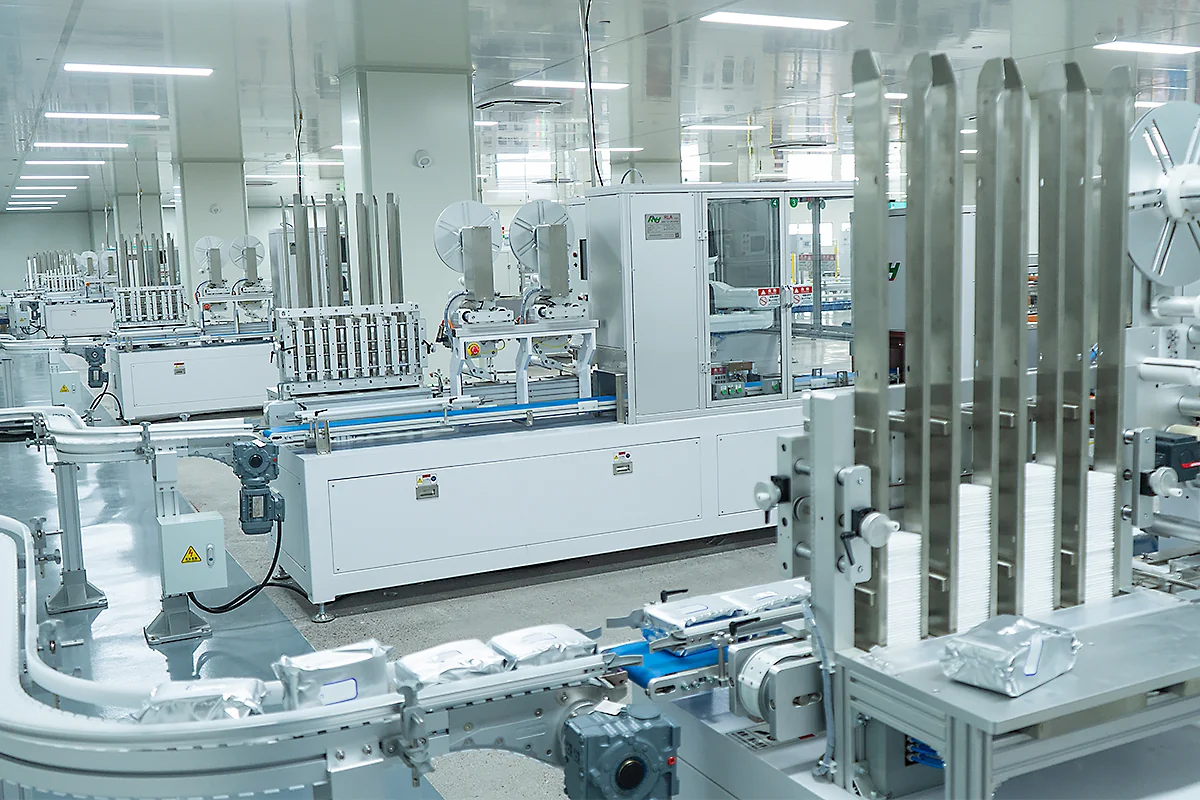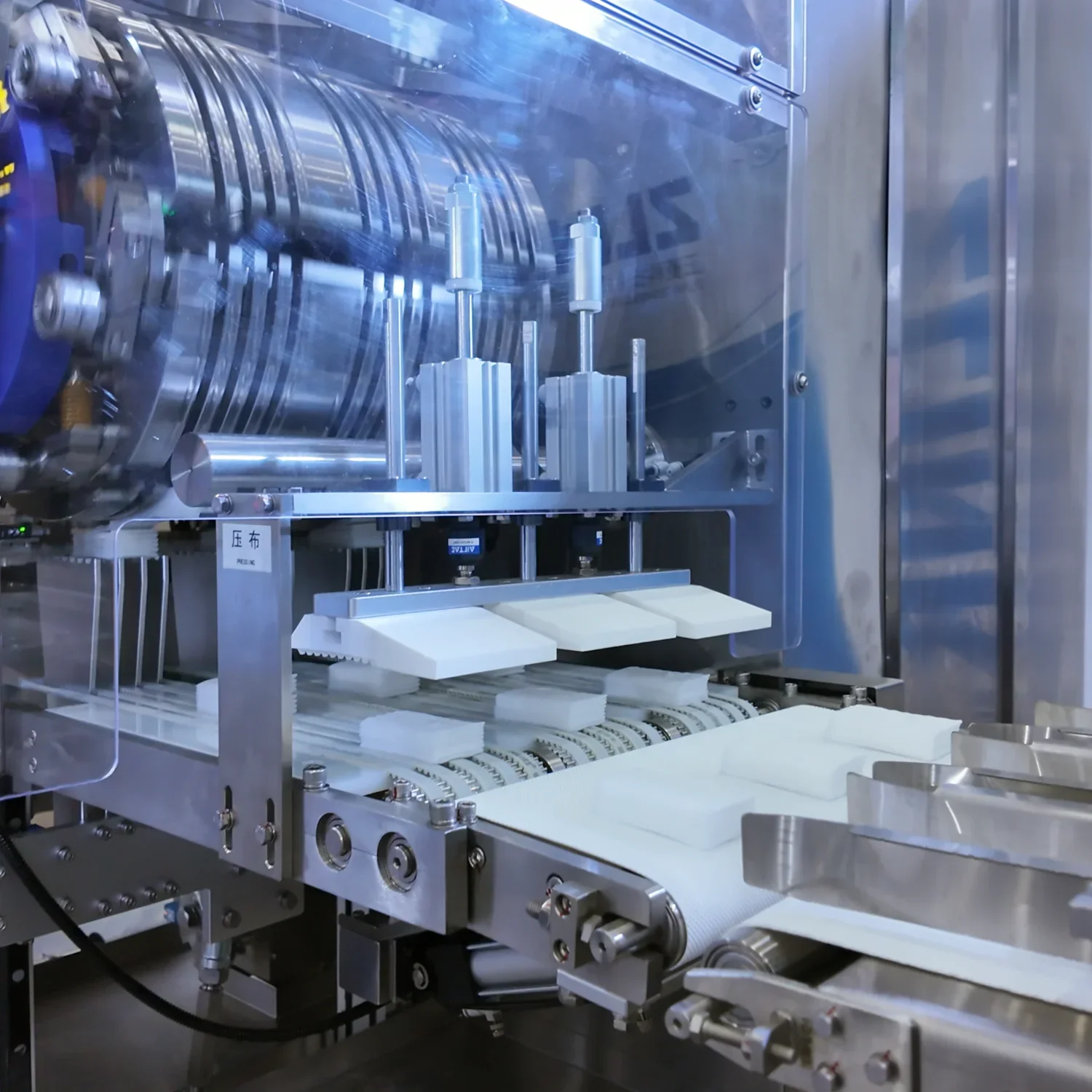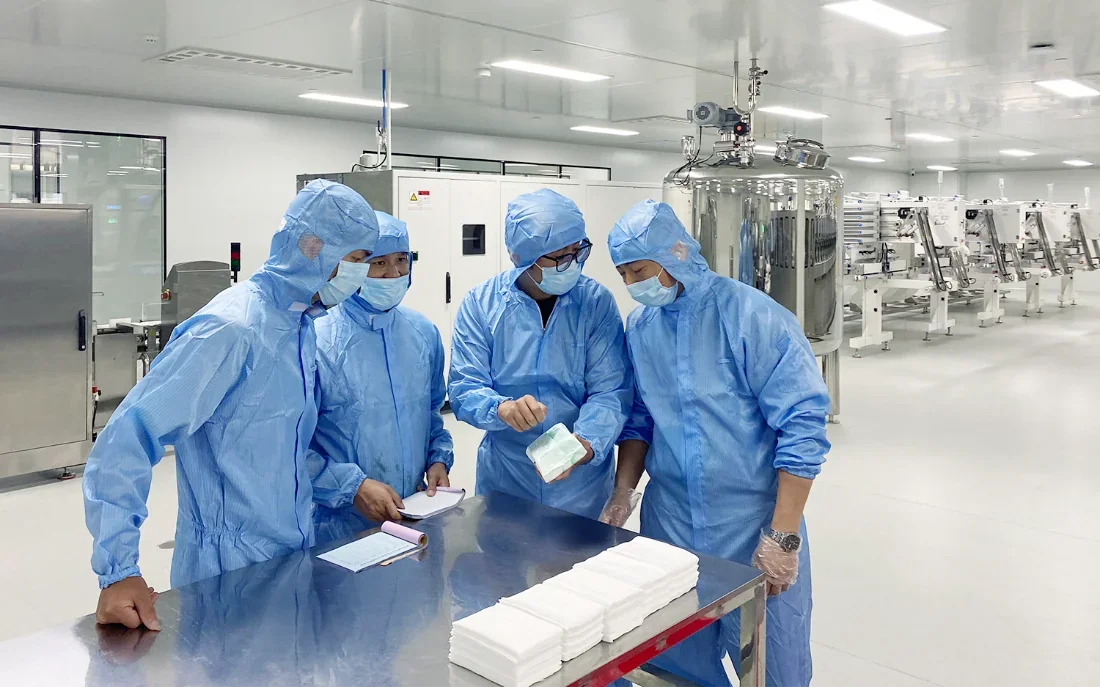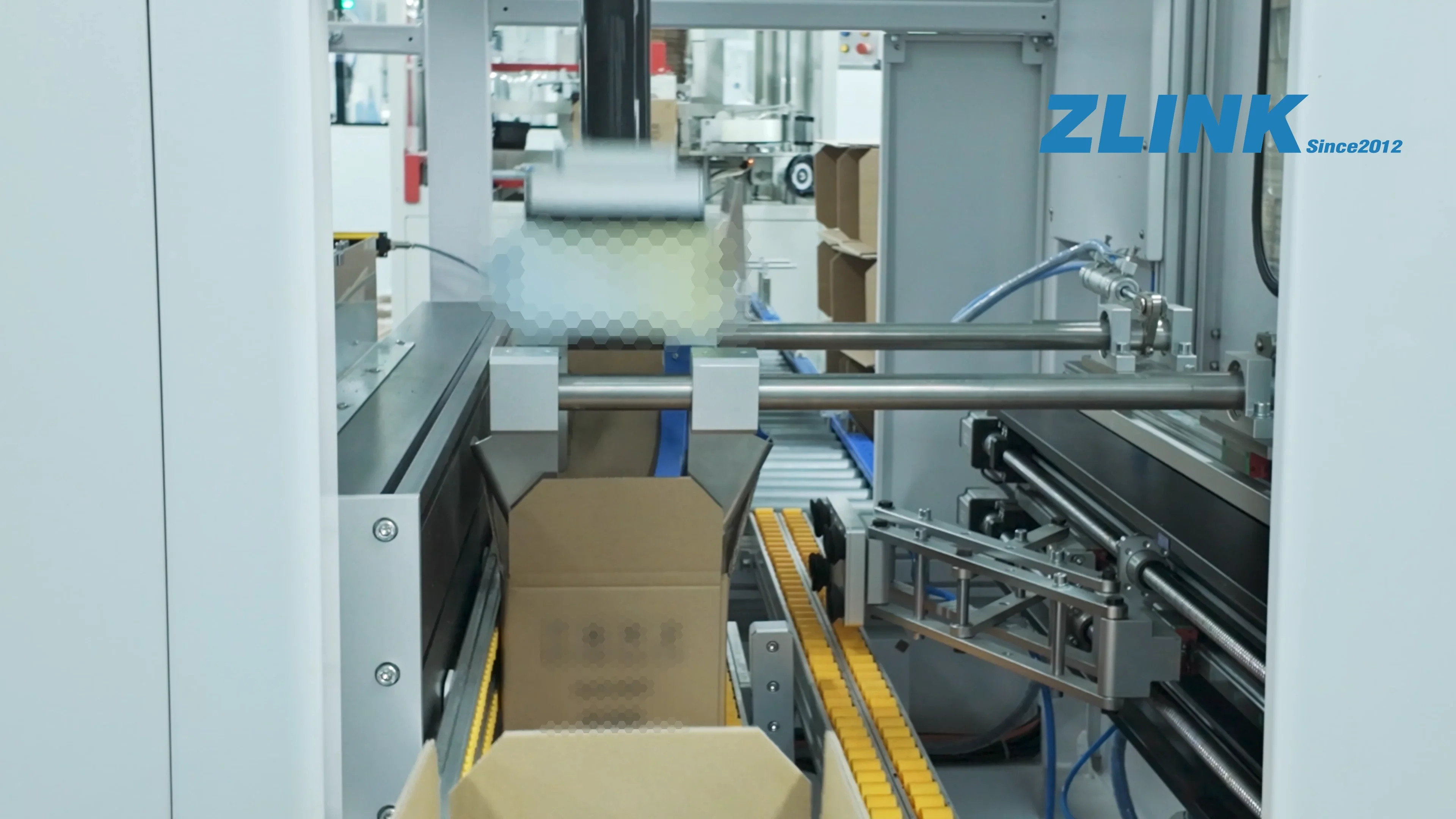







Producing wet wipe packs with different sheet counts from 10 travel wipes to 80 family-size canisters presents a significant automation challenge. The lid applicator must handle changes in stack height, pack geometry, and sealing pressure without slowing the line or damaging products. Modern solutions use intelligent sensing and robotic precision to manage these variations seamlessly. This article explains how an advanced lid applicator machine adjusts to different wipe counts while maintaining speed and consistency, and why partnering with a trusted China wet wipes lid applicator machine manufacturer ensures reliable performance.
Height Detection and Adaptive Pick-and-Place
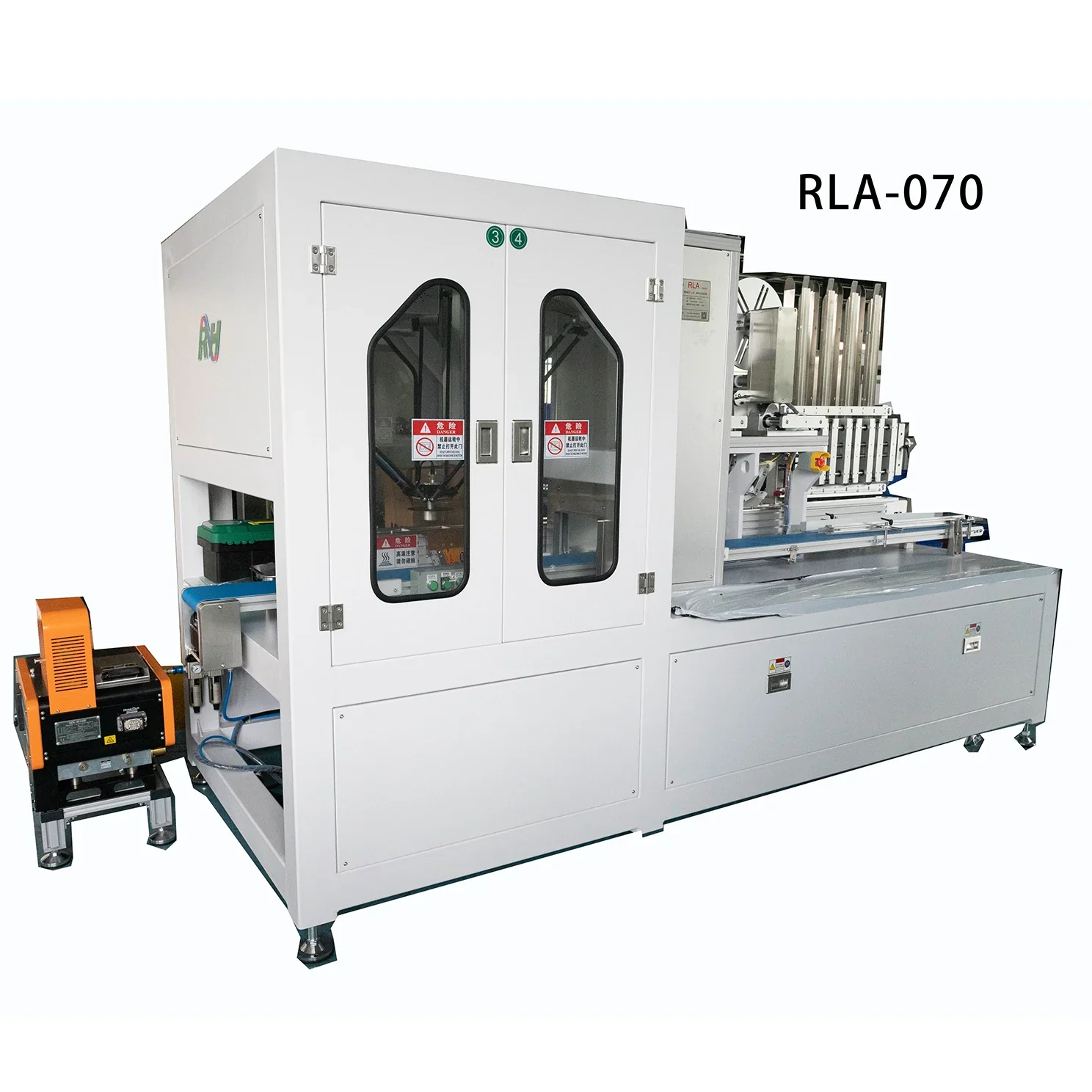
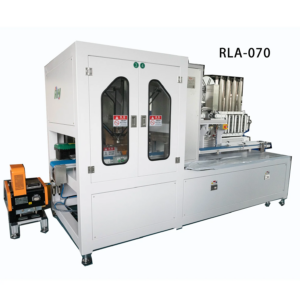
The primary variable when wipe counts change is stack height. A 40-count pack is substantially thicker than a 10-count pack, requiring different lid insertion depth and sealing force. High-end lid applicator machine designs, such as the ZLINK RLA series, integrate machine vision and laser distance sensors. Before each pick cycle, the system measures the exact stack height of the incoming wet wipe pack. The robotic arm then dynamically adjusts its descent depth and application pressure. For a China wet wipes lid applicator machine manufacturer, this adaptive capability significantly reduces the time and complexity of mechanical changeovers when switching between SKUs. Operators simply select the wipe count on the HMI, and the applicator automatically recalibrates.
Vision-Guided Positioning for Varying Pack Geometries
Different wipe counts often mean different pack widths or fold patterns, especially in stand-up pouches or rigid tubs. A fixed mechanical guide would cause misalignment or lid damage. Instead, a vision-equipped lid applicator machine captures the exact position and orientation of each pack on the conveyor. The robotic arm with high-speed pick-and-place cycles calculates the optimal lid placement coordinates for that specific pack. This real-time adjustment handles not only varying wipe counts but also slight product shifts from upstream filling. For any China wet wipes lid applicator machine manufacturer, embedding vision guidance ensures that lids are centered every time, regardless of whether the pack contains 20 or 60 wipes.
Servo-Controlled Glue Patterns and Sealing Pressure
Lid adhesion requirements change with pack thickness. Thicker stacks exert more outward force on the lid, demanding stronger bonding. A sophisticated lid applicator machine uses servo-driven glue nozzles that vary the glue pattern length, width, or density based on the wipe count. For low counts, a lighter adhesive bead suffices; for high counts, a more robust pattern is applied automatically. Similarly, the sealing station’s pressure and dwell time adjust via servo control. This level of automation, featured in the ZLINK RLA series, replaces repetitive manual labor and ensures consistent product quality. When sourcing from a China wet wipes lid applicator machine manufacturer, verify that the system includes these adaptive parameters.
Precision Across Every Count with ZLINK
Handling different wipe counts no longer requires mechanical changeovers or line stoppages. Adaptive height sensing, vision-guided positioning, and servo-controlled glue patterns allow a modern lid applicator machine to switch seamlessly between pack sizes. At ZLINK, we engineer this intelligence into every solution. The RLA series combining advanced industrial robotics with machine vision technology delivers high-speed and precise lid application for any wipe count. When you need a reliable lid applicator machine or a trusted China wet wipes lid applicator machine manufacturer, ZLINK has it covered. From customized machinery to turnkey production lines, and ongoing technical support explore how we power efficient wet wipes manufacturing for clients worldwide. Your productivity, our precision.