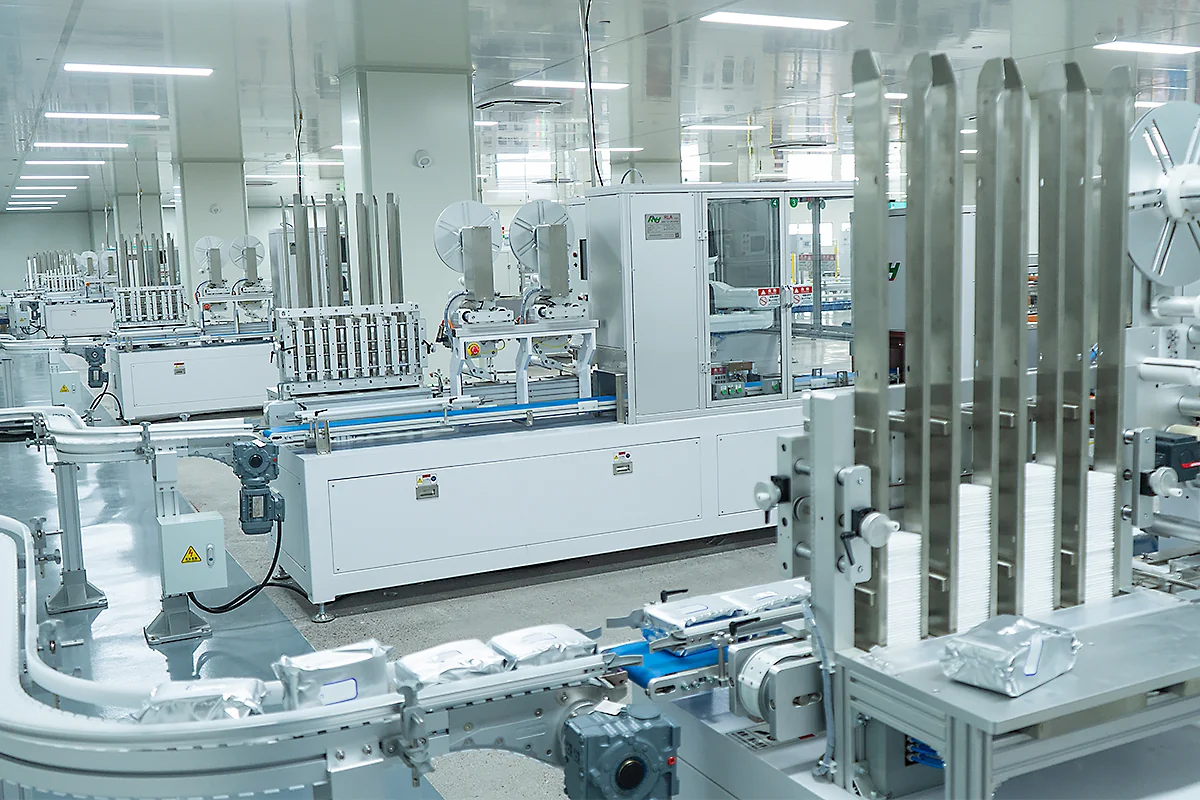



High-speed production has become a common goal for manufacturers in the hygiene industry, especially for companies expanding capacity or serving large brand clients. In daily operation, the relationship between speed and maintenance is often misunderstood. From our experience at ZLINK, high-speed operation does not automatically increase maintenance pressure if the system is engineered with durability, precision, and process continuity in mind. When a wet wipes making machine is designed for stable long-term use, higher operating speeds can be managed through structured maintenance planning rather than reactive repairs.
High-Speed Operation and Mechanical Stress Management
When production speed increases, mechanical components are exposed to more frequent motion cycles, which can amplify wear if the structure is not optimized. In our systems, structural rigidity, component alignment, and motion accuracy are prioritized to ensure that speed does not translate into instability. A well-designed wet wipe machinery platform distributes mechanical load evenly across key moving parts, reducing localized stress. This approach allows production teams to maintain predictable inspection intervals rather than increasing downtime. For wet wipes factories, especially OEM and brand-driven operations, predictable maintenance schedules support consistent output without disrupting delivery commitments.
Maintenance Efficiency Through Automation and Vision Systems
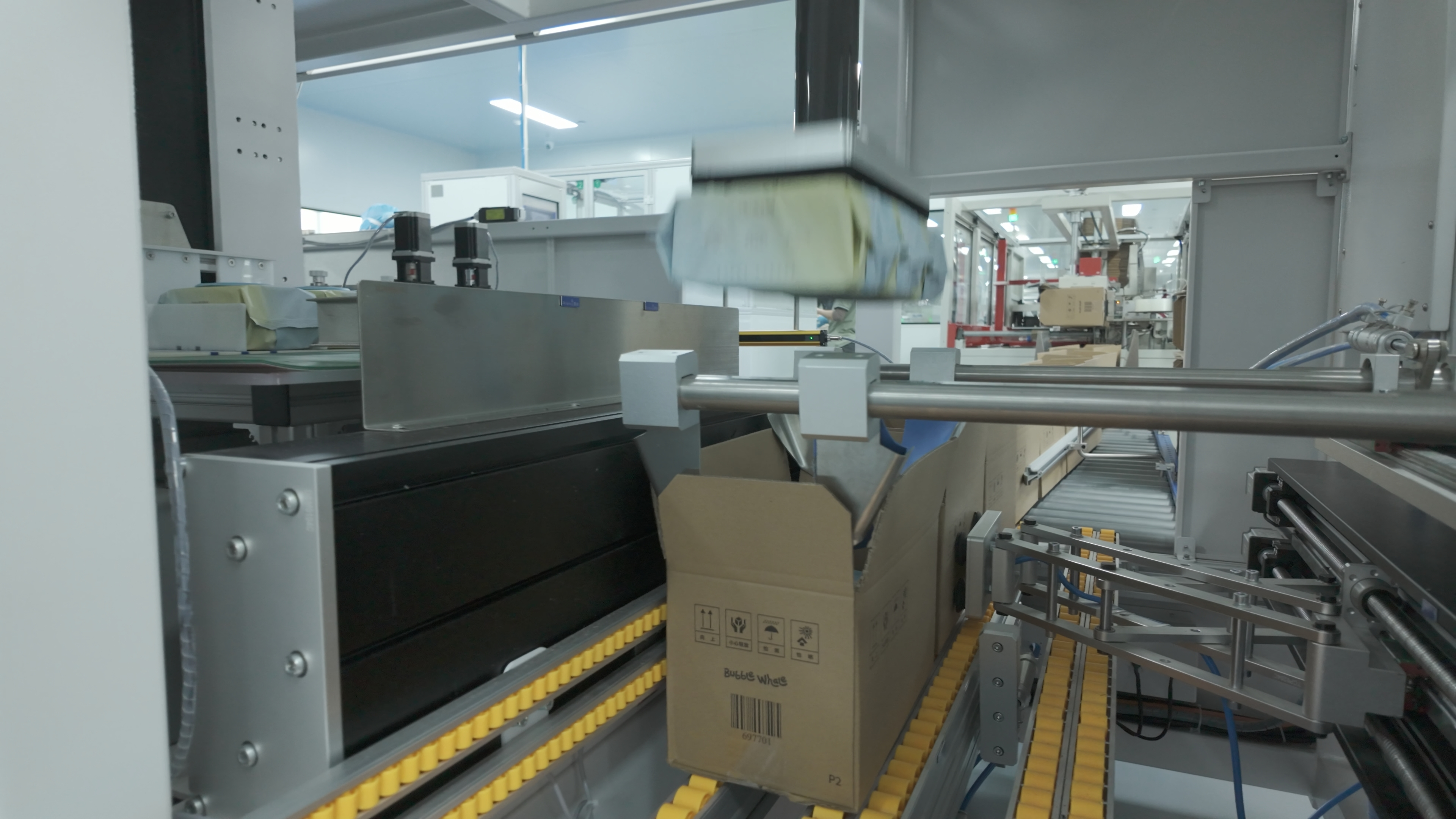
Automation plays a direct role in simplifying maintenance at higher speeds. Equipment that relies heavily on manual intervention tends to experience variation in operation, which can complicate upkeep. Our RLA Series – Robotic Vision Lid Applicator for Wet Wipes integrates robotic arms with machine vision technology to stabilize repetitive processes. The vision system continuously monitors lid position, angle, and placement accuracy during operation, allowing deviations to be identified in real time. By reducing human variability and ensuring precise lid application, the system supports smoother high-speed runs while lowering the frequency of mechanical adjustments, which contributes to easier long-term maintenance management.
Designing for Long Service Life Under Continuous Operation
For wet wipes production lines running extended shifts, service life is a core concern. Our equipment is developed with a design life of ten years, reflecting the expectations of factories planning long-term capacity investment. High-speed operation becomes sustainable when components such as drives, frames, and robotic interfaces are selected for endurance rather than peak performance alone. In this context, maintenance shifts from emergency repair to routine care, allowing production managers to align upkeep with planned shutdowns. This is particularly relevant for wet wipes brands and contract manufacturers balancing efficiency with product consistency.
Conclusion: Aligning Speed and Maintenance Through Engineering
High-speed operation impacts maintenance only when machinery lacks structural balance and process control. By focusing on automation, vision-based monitoring, and durable mechanical design, ZLINK ensures that higher speeds remain compatible with stable maintenance routines. For wet wipes manufacturers seeking efficiency without sacrificing reliability, thoughtful system engineering provides a practical path forward.