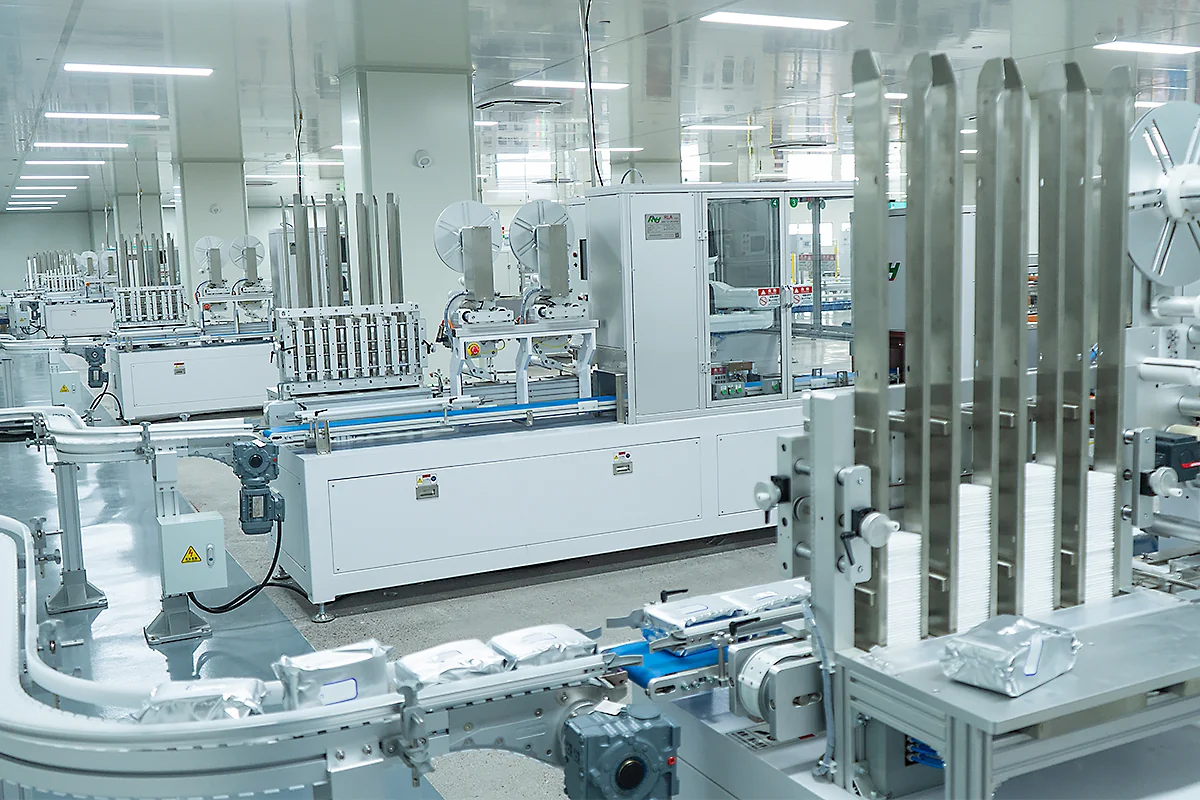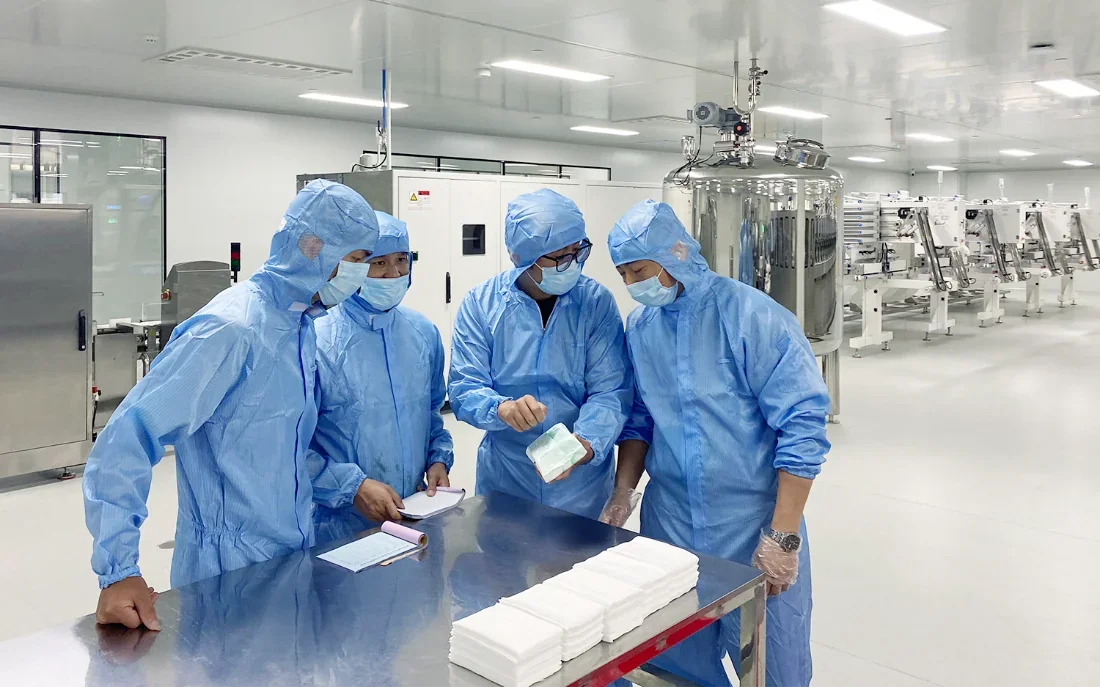








Acquiring a new high-speed wet wipe production line brings immense productivity potential, but only if operators are properly trained. Without structured training, even the most advanced machinery becomes a source of downtime, waste, and safety risks. For manufacturers of personal care wipes, where consistency and hygiene are paramount, a well-prepared workforce is as critical as the equipment itself. This article outlines the core training areas necessary to unlock the full capabilities of modern high-speed lines.
Mastering the Multi-Axis Servo and HMI Interface
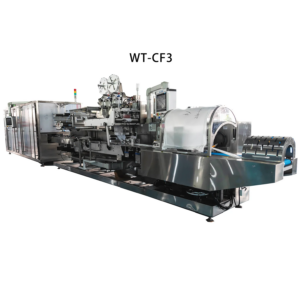
Today’s high-speed lines, such as the WT-CF3 full-automatic wet wipes production line, rely on multi-axis servo motion controllers and user-friendly LCD touch screens. Operators must first understand how to navigate the HMI setting production speeds, adjusting fold types, and monitoring real-time output. Training should focus on interpreting on-screen diagnostics and responding to alarms without guesswork. For any wet tissue machine, improper parameter entry is a common error source. Hands-on simulation sessions, where operators practice start-up, emergency stops, and recipe changes, build muscle memory. When producing personal care wipes with varying moisture levels or materials, this interface mastery ensures smooth transitions and significantly reduces the risk of costly misruns.
Material Handling and Changeover Proficiency
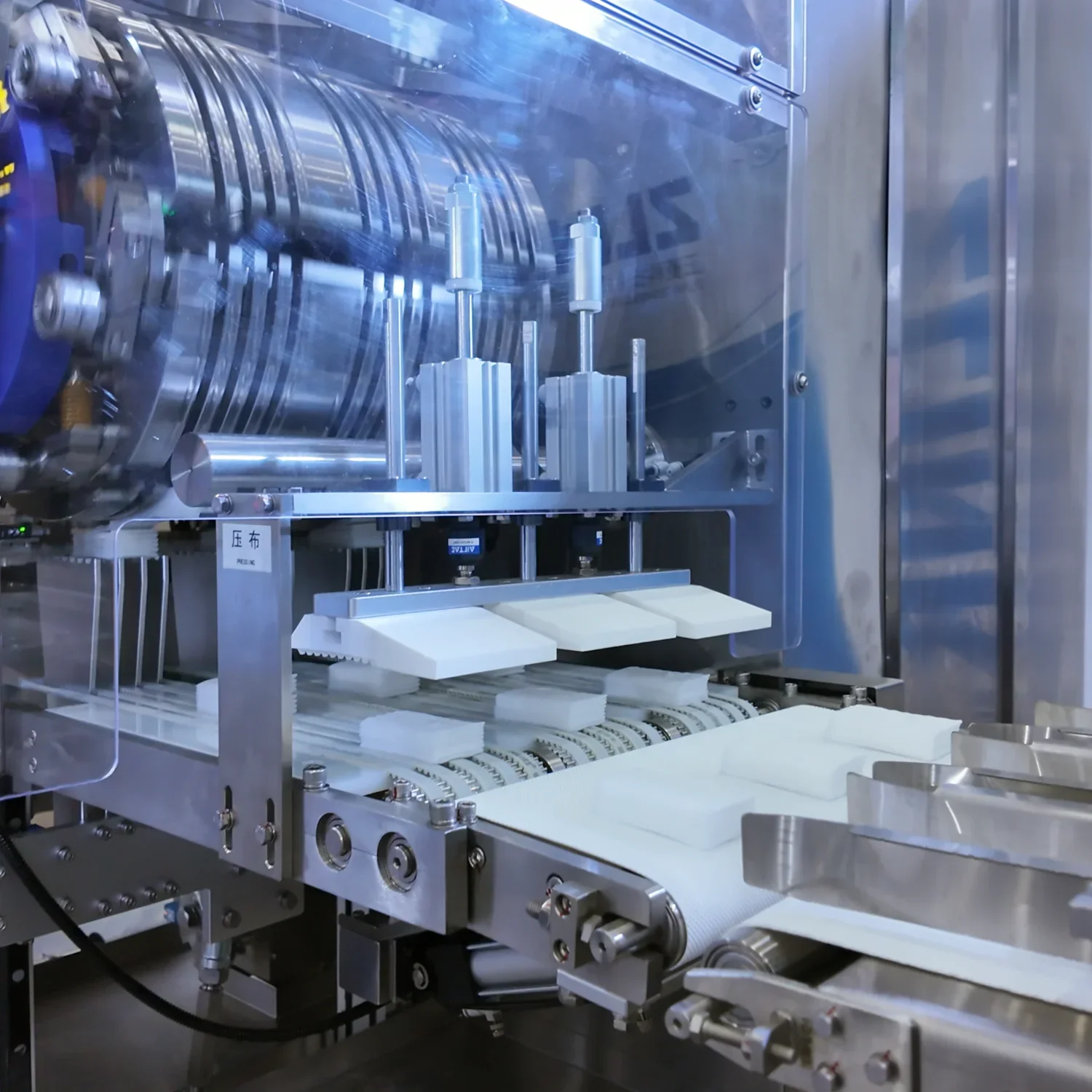
High-speed lines like the WT-CF3 are designed for wide material compatibility, but each substrate from spunlace to biodegradable nonwovens behaves differently under tension and cutting. Training must cover proper web threading, splice techniques, and roll change procedures at full speed. Additionally, changeover training is essential: switching from one personal care wipes format (e.g., flushable wipes) to another (e.g., thick cleansing wipes) requires adjusting folding rollers, sealing temperatures, and packaging cutoff lengths. Operators should practice these changeovers repeatedly until they can complete them within the target time. A well-trained team reduces scrap during transitions and keeps the wet tissue machine running at its rated 150 packages per minute.
Safety Compliance and First-Line Troubleshooting
CE certification, as featured on the WT-CF3, guarantees built-in safety features, but operators must respect guard interlocks, emergency stops, and lockout/tagout protocols. Training should include daily pre-start safety checks and proper cleaning procedures that avoid sensor damage. Moreover, operators need basic troubleshooting skills recognizing a misfed web, clearing a minor jam, or identifying when a servo motor drifts out of sync. This reduces reliance on maintenance engineers for every small issue. For a wet tissue machine operating continuously, empowering operators to resolve routine faults keeps uptime high and prevents small errors from escalating into line stoppages.
Building a Skilled Operations Team with ZLINK
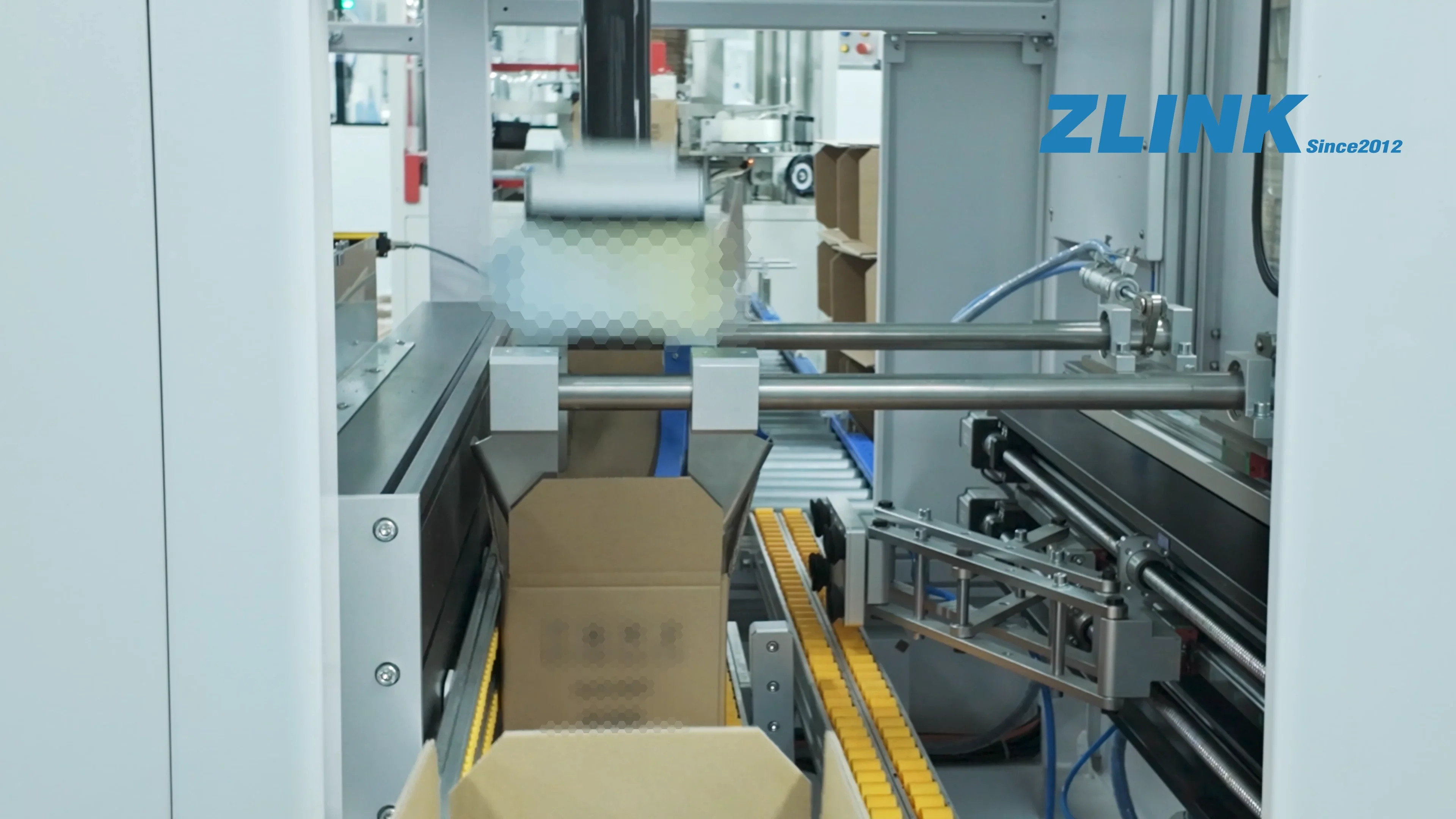
The difference between a fast machine and a truly productive line is the human factor. Proper training on HMI navigation, changeover routines, and safety protocols transforms a high-speed personal care wipes line into a reliable profit center. At ZLINK, we believe that equipment delivery is only the beginning. When you need a wet tissue machine or a complete wet wipes production line, Zlink has it covered. From customized machinery to turnkey production lines, and ongoing technical support, we also provide structured operator training programs tailored to your team. Explore how we power efficient wet wipes manufacturing for clients worldwide, ensuring your new high-speed line performs flawlessly from day one.