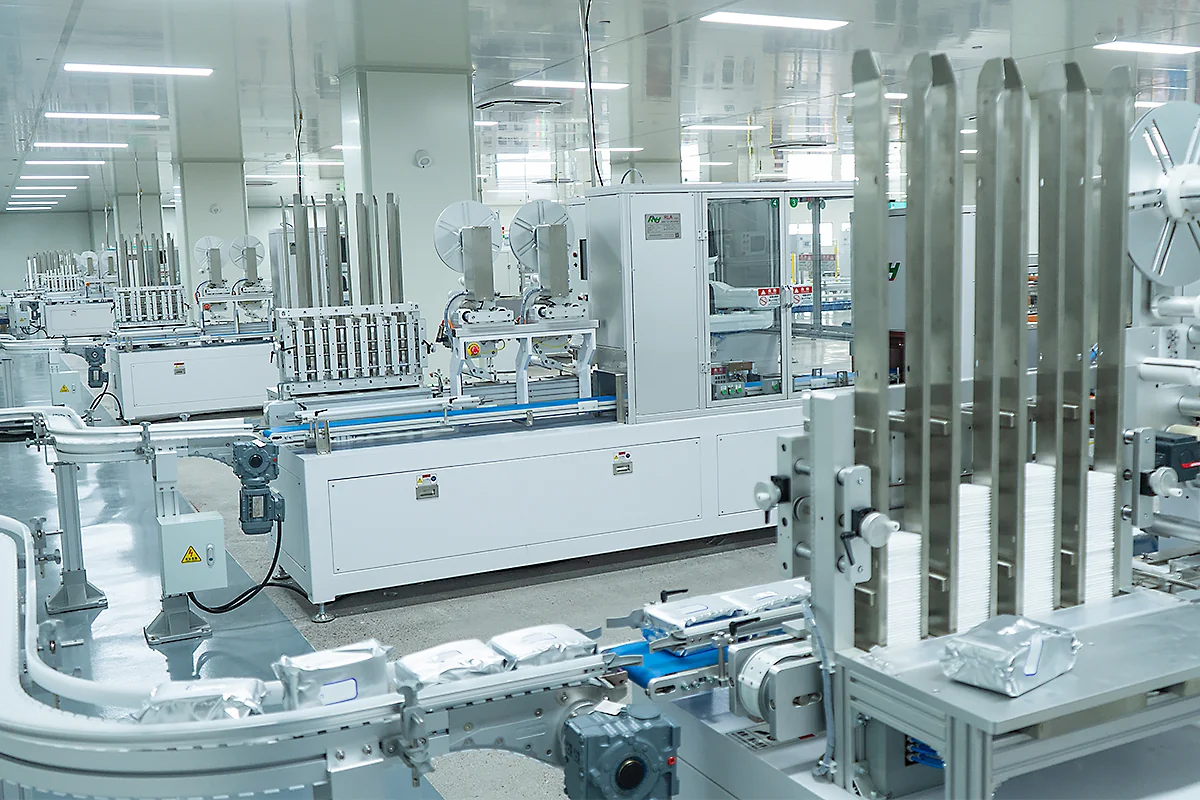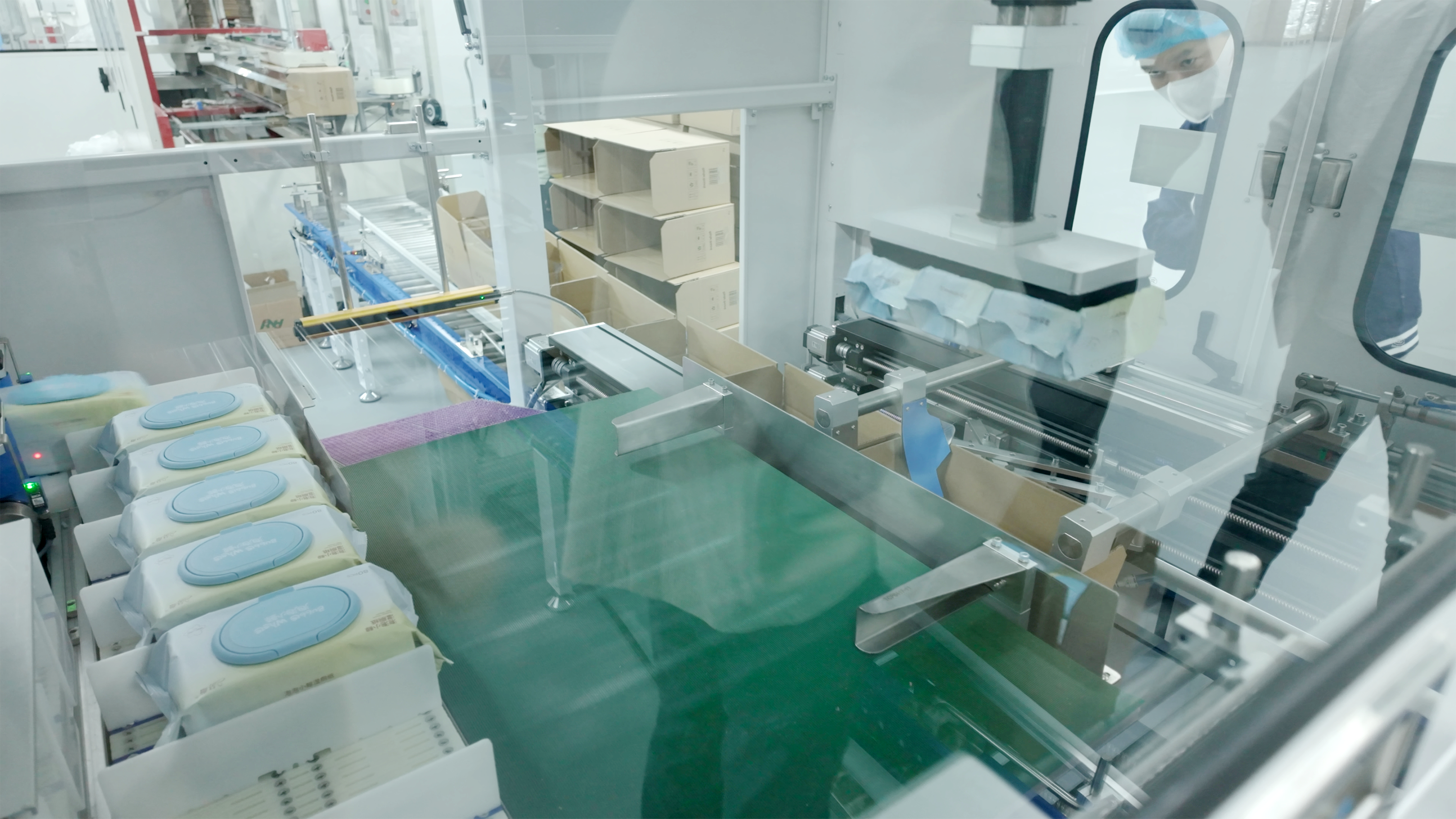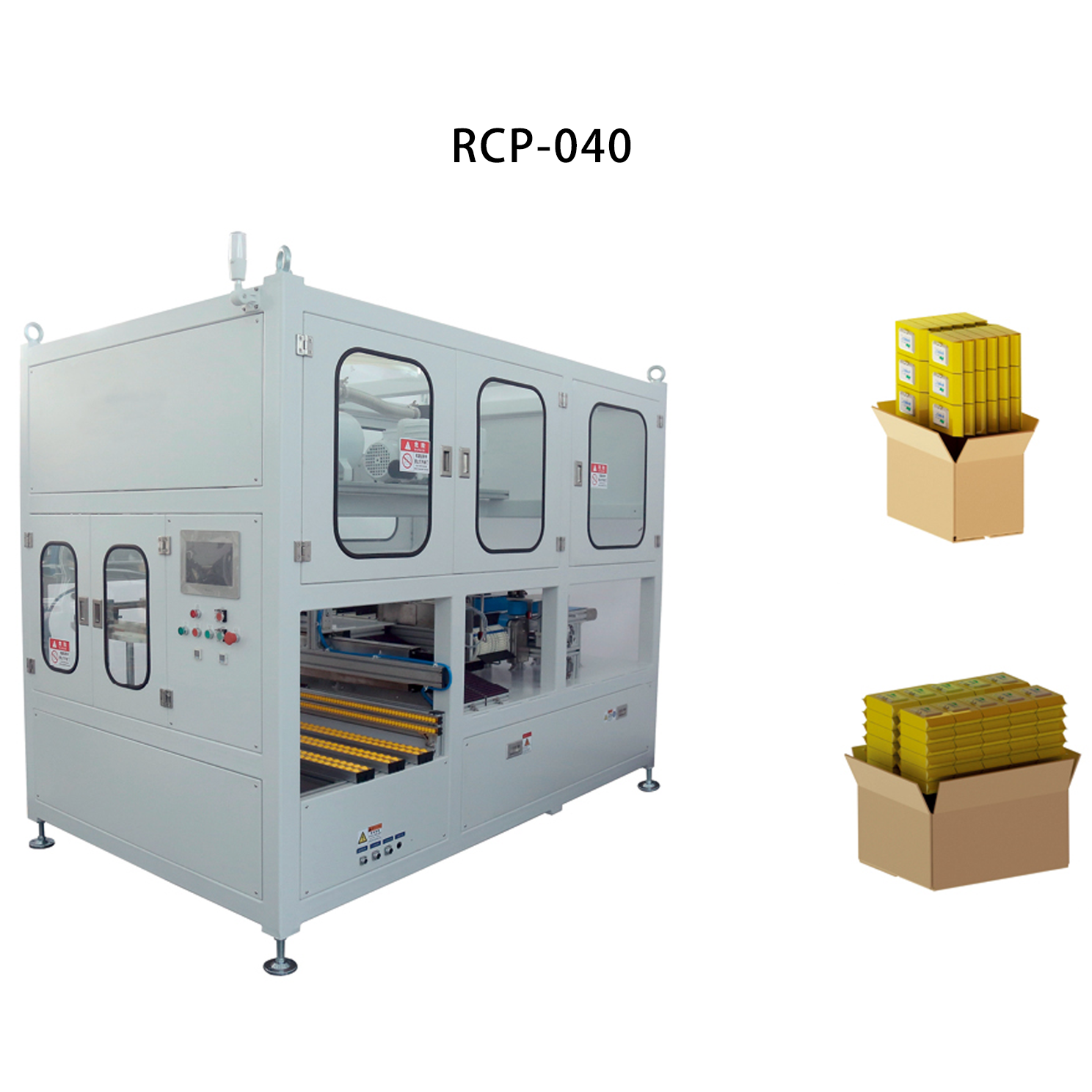



The demand for wet wipes continues to rise, driven by their versatility and convenience in various applications, from personal hygiene to household cleaning. As a result, the role of wet tissue machines becomes critical, especially regarding their adaptability to different liquid percentages. Understanding whether these machines can accommodate varying formulations is essential for businesses looking to optimize their production capabilities.
Flexibility in Liquid Formulations
When it comes to wet tissue machines, one of the primary considerations is how effectively they can handle various liquid percentages in the formulation. The ability to adapt is crucial, as different applications may require different moisture levels. For example, baby wipes typically have a lower liquid content to avoid overwhelming delicate skin, while industrial wipes may require a higher percentage for effective cleaning.
Most modern wet tissue machines are designed with flexibility in mind. Manufacturers have incorporated advanced technology into their systems, enabling adjustments to be made swiftly and efficiently. By calibrating the liquid dispensing mechanisms, operators can fine-tune the amount of solution applied to each wipe. This adaptability ensures that manufacturers can produce multiple product lines without the need for extensive downtime or reconfiguration of the machine.
Importance of Precision in Production
Precision is vital in the wet tissue production process, particularly when dealing with varying liquid percentages. If the liquid’s consistency or volume is unchecked, it can lead to quality issues, such as overly saturated or dry wipes, which can compromise the user experience. Therefore, selecting a reliable wet tissue machine is essential.
Baby mini wet wipes machine manufacturers focus on integrating state-of-the-art technology that enhances accuracy during the production process. These systems often include automated monitoring features that continuously check the liquid application rate to ensure uniformity across multiple batches. Such precision not only improves product quality but also reduces waste, resulting in cost savings for manufacturers.
Enhancing Efficiency through Innovation
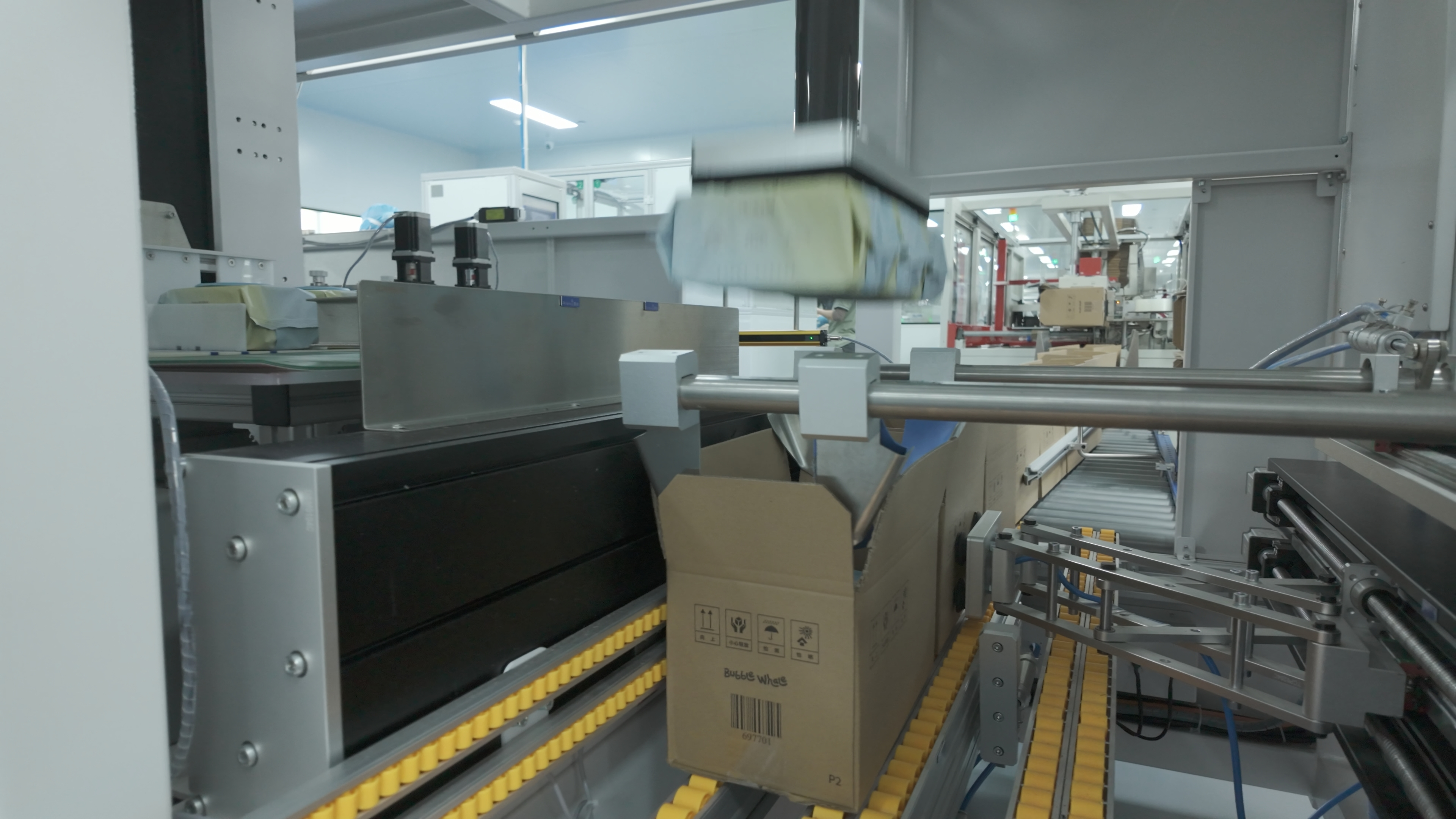
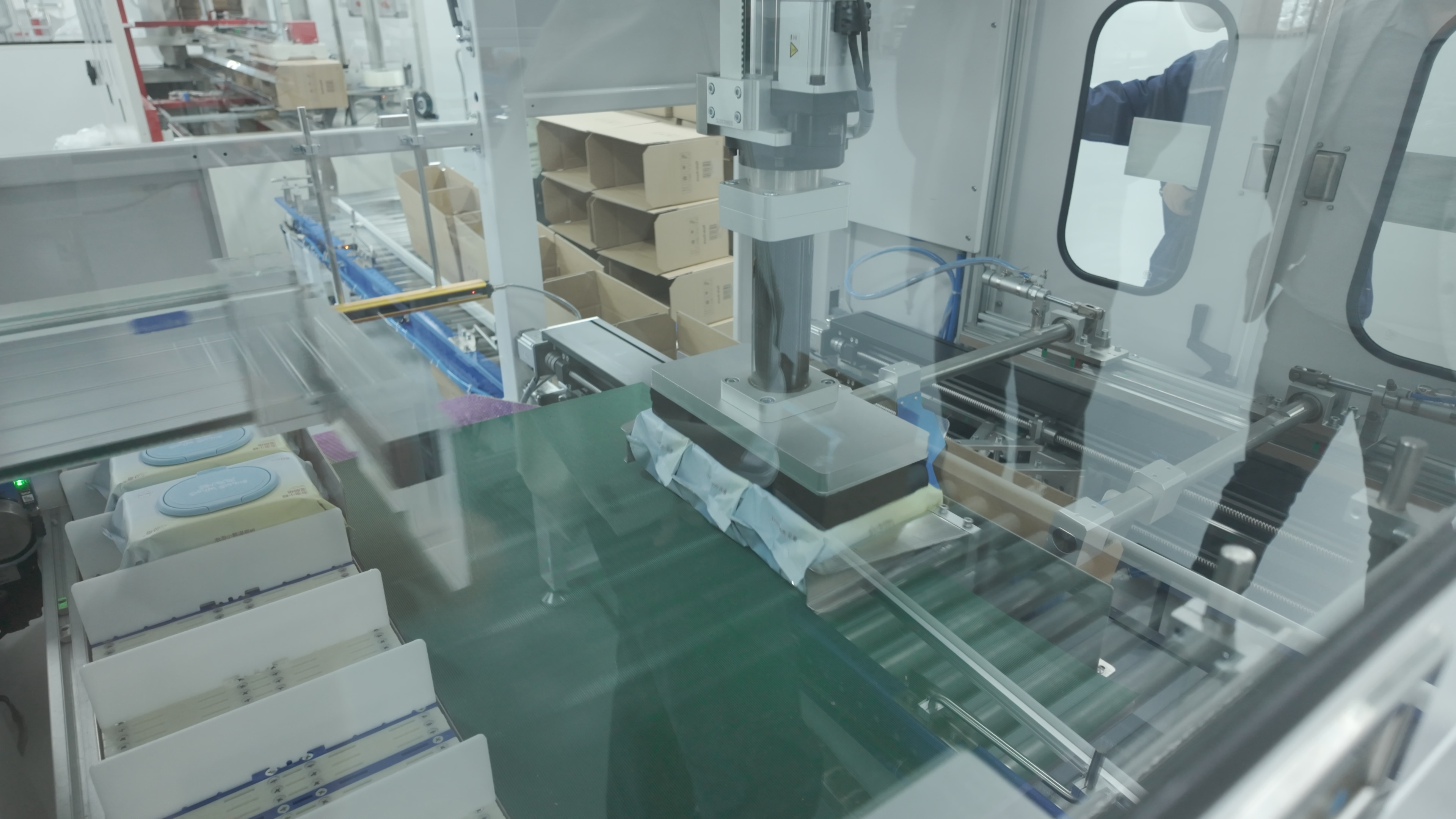
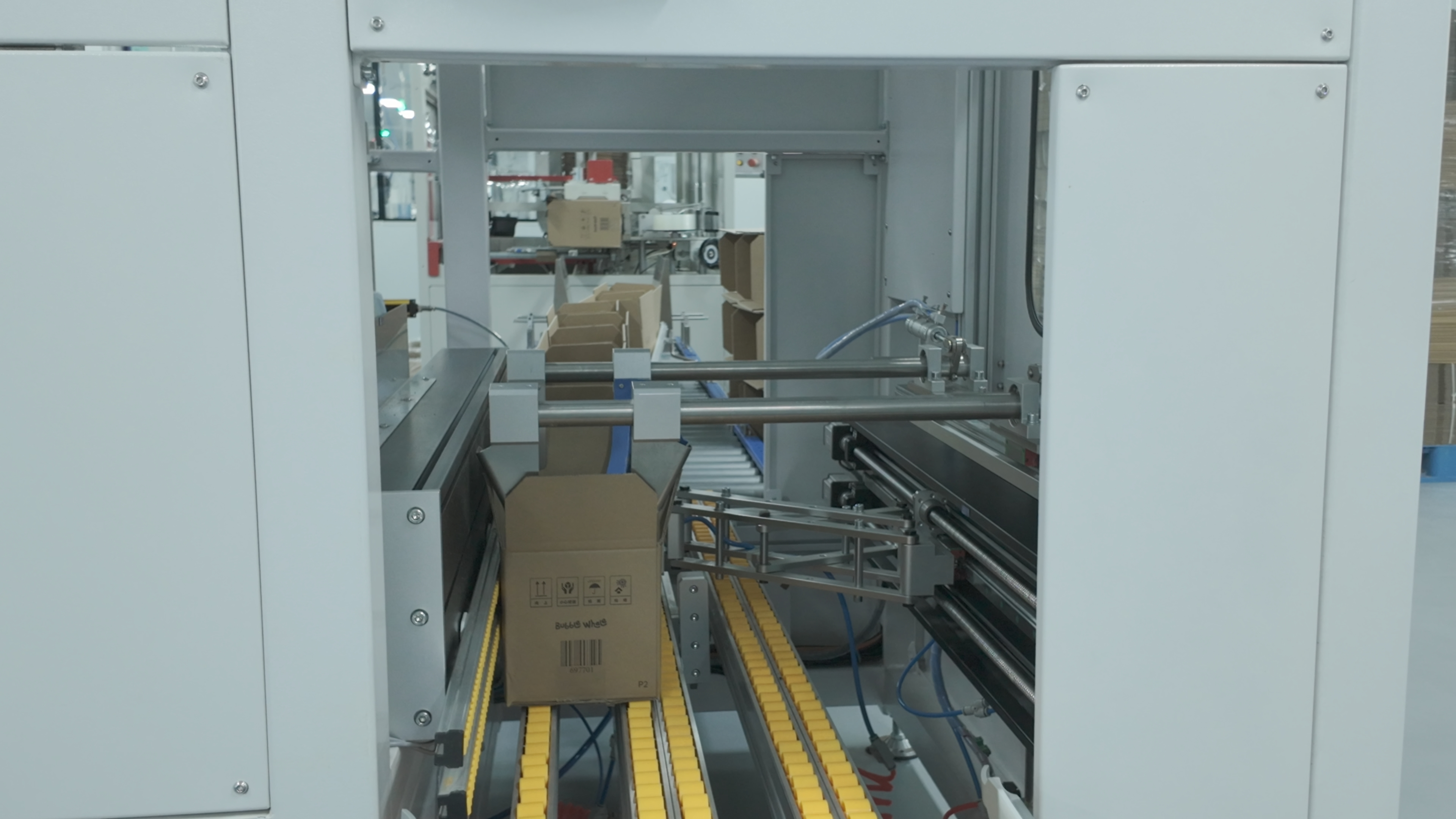
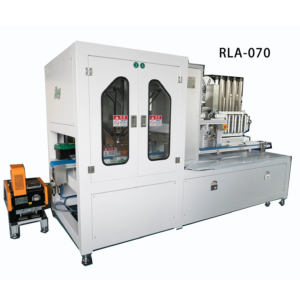
Efficiency remains a top priority in wet wipe production, particularly as consumer demands grow and competition intensifies. Innovative technologies, such as robotic systems, can provide significant advantages in this regard. For instance, the ZLINK RLA Series – Robotic Vision Lid Applicator for Wet Wipes exemplifies this innovation. Combining industrial robotics with machine vision technology, this system can quickly detect and adapt to the varying shapes and sizes of lids used in wet wipe packaging.
Through its robotic arm, the ZLINK RLA can perform lid-picking, gluing, and attaching tasks at high speed. This automation allows for consistent application of glue based on the lid’s shape, ensuring that every package is sealed securely. By using advanced machinery like the ZLINK RLA, manufacturers can boost production efficiency and maintain high-quality standards.
Collaborating for Optimal Solutions
For businesses looking to enhance their wet wipe production capabilities, collaborating with experienced wet tissue machine manufacturers is vital. At ZLINK, we are committed to providing cutting-edge solutions that meet our clients’ needs for adaptability and efficiency. Our knowledge of the industry allows us to support partners in making informed decisions about their production processes.
As experts in the field, we understand the importance of adapting to varying liquid percentages in wet wipes. Our integrated solutions are designed to optimize efficiency while ensuring high-quality outputs, helping our clients stay ahead in a competitive marketplace. Together, we can navigate the complexities of wet tissue production and deliver exceptional products that satisfy consumer demands.