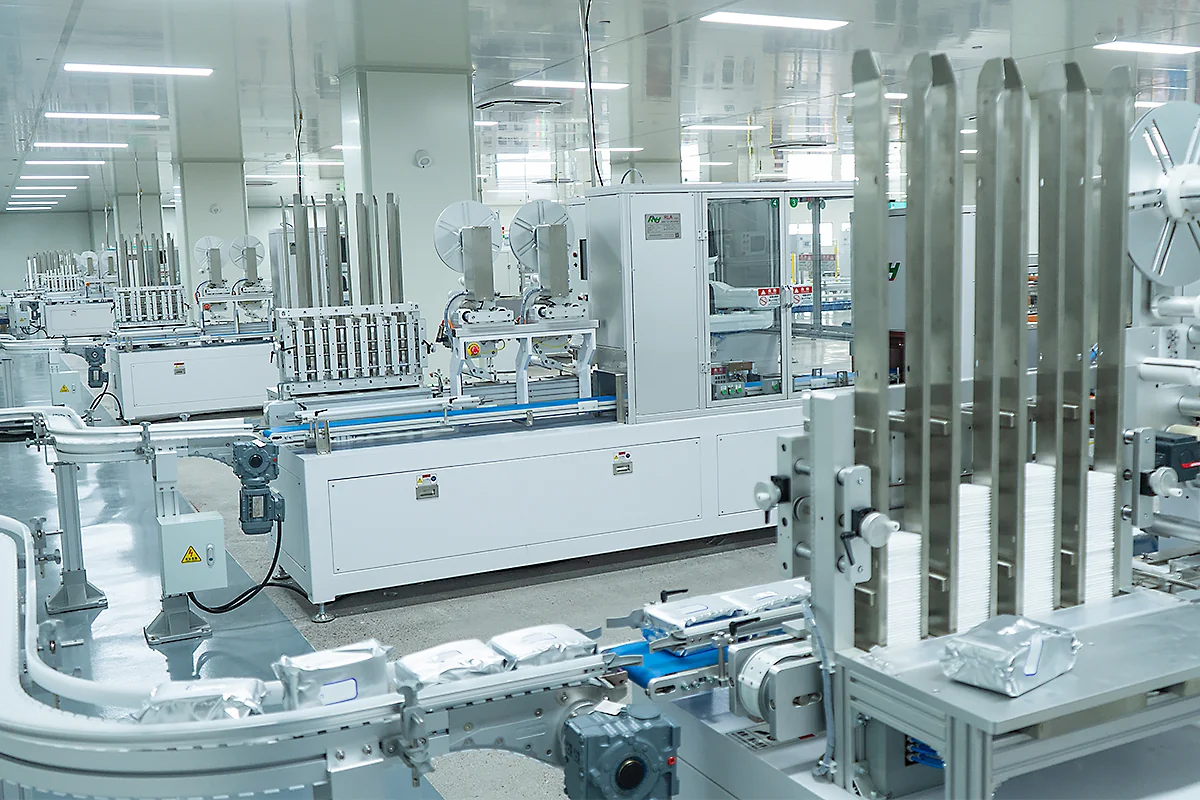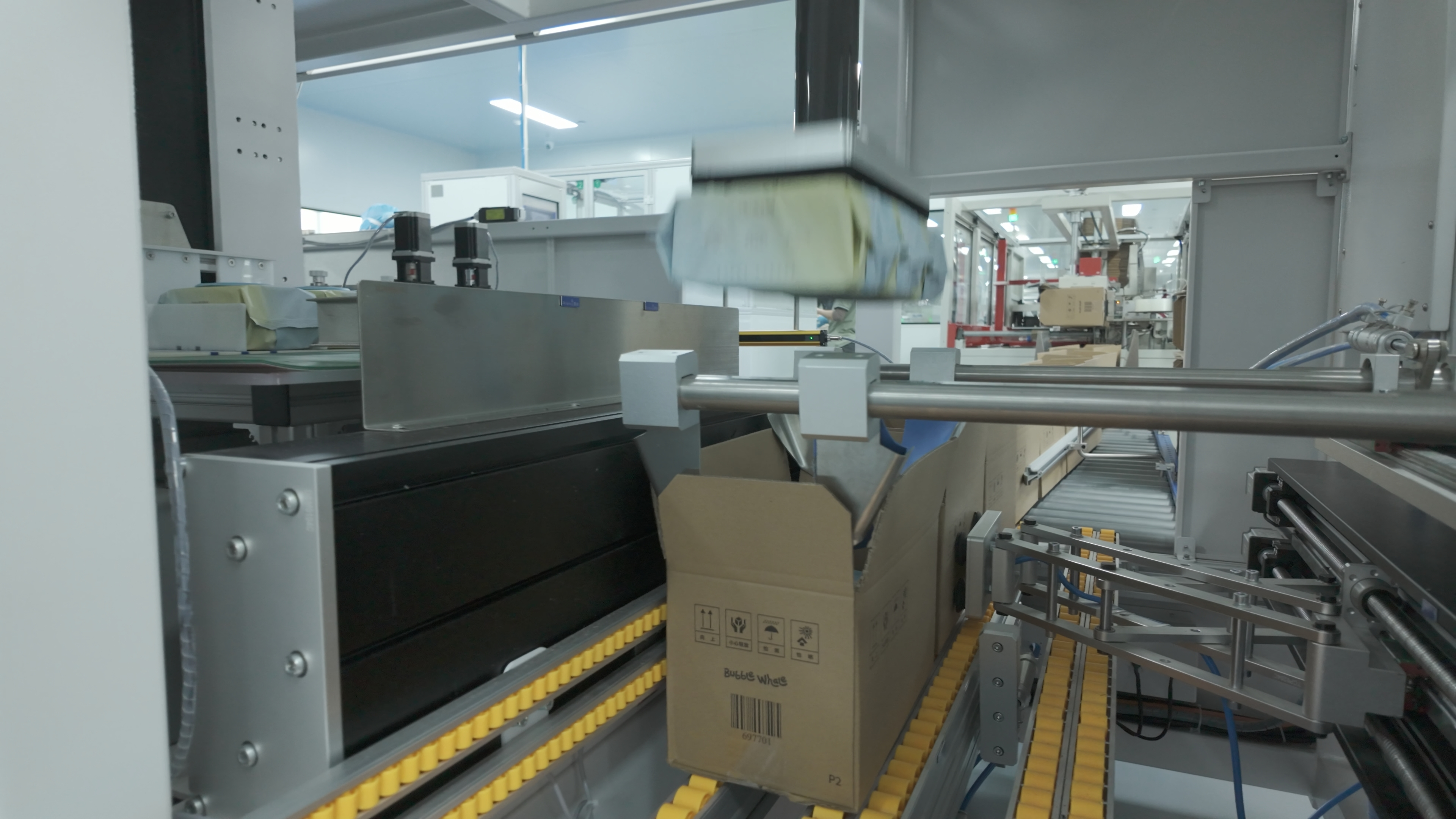

The cleanliness of a production environment directly affects product quality and operational stability in wet wipe manufacturing. At ZLINK, we focus on how equipment design can reduce dust and lint accumulation throughout daily production. As experienced wet wipe machinery manufacturers China, we understand that airborne fibers often originate from raw material handling, folding processes, and cutting points. Addressing these sources at the machinery level allows manufacturers to improve consistency without relying solely on external cleanroom upgrades.
Understanding Dust and Lint Formation in Wet Wipe Processes
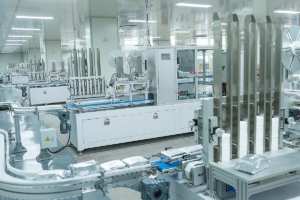
Dust and lint are commonly generated when nonwoven materials are unwound, folded, and cut at high speed. In wet wipe machinery, friction, unstable tension, and exposed transfer paths can release fine fibers into the air. Our approach is based on controlling these variables inside the equipment. Through enclosed material paths, stable tension management, and controlled cutting movements, wet wipe machinery can reduce fiber dispersion while maintaining production efficiency. This technical foundation supports cleaner workshops and helps operators manage hygiene standards more effectively.
Equipment Design Measures That Reduce Accumulation
We apply several structural and control strategies to limit dust and lint buildup. Our systems use independent automatic tension control to keep nonwoven materials stable during movement, reducing friction-related fiber release. Servo-driven motion systems ensure smooth folding and transfer actions, avoiding sudden pulls that may loosen fibers. In addition, non-stop auto splicing minimizes manual intervention, which is another common source of contamination. These design details are integrated into our solutions as wet wipe machinery manufacturers China serving long-term industrial production needs.
Applying These Principles in the WT-CF3 Production Line
The WT-CF3 Full-Automatic Wet Wipes Production Line — Cross-Fold Type reflects how these principles are implemented in practice. The line meets CE safety requirements in its electrical system and uses a multi-axis servo motion controller with full servo control and an LCD color touch screen interface. An automatic edge position controller keeps materials aligned, while a screw-type flexible cutting blade helps extend service life and supports clean cutting performance. With output capabilities of up to 150 packages per minute or 1800 wipes per minute, this system demonstrates how well-designed wet wipe machinery can balance cleanliness, efficiency, and durability within daily operations.
Conclusion: Building Cleaner Production Through Equipment Engineering
Minimizing dust and lint accumulation starts with thoughtful equipment engineering rather than after-the-fact correction. At ZLINK, we believe that stable material control, enclosed processing paths, and reliable automation form the basis of cleaner wet wipe production. By integrating these concepts into our systems and supporting customers with one-stop service, we help manufacturers build production environments that remain consistent over long equipment lifecycles. This engineering-focused approach allows our partners to improve quality control while maintaining practical production efficiency.